Blog

  • The Future of Marketing: AI’s Transformative Impact in 2025

    The Future of Marketing: AI’s Transformative Impact in 2025

    The Future of Marketing is Here: How AI is Transforming the Industry in 2025 involves AI-driven personalization, predictive analytics, and automation, enabling marketers to create more effective campaigns, enhance customer experiences, and optimize marketing ROI.

    The landscape of marketing is on the cusp of a seismic shift, and at the heart of this transformation lies artificial intelligence. The Future of Marketing is Here: How AI is Transforming the Industry in 2025 isn’t just a prediction; it’s a tangible reality that businesses need to embrace to stay competitive.

    The Rise of AI-Powered Marketing

    As we approach 2025, artificial intelligence is no longer a futuristic concept but a core component of marketing strategies. AI’s ability to analyze vast amounts of data, automate repetitive tasks, and personalize customer experiences is reshaping how businesses connect with their audiences.

    Personalized Customer Experiences

    AI enables marketers to create highly personalized experiences for each customer. By analyzing data on customer behavior, preferences, and demographics, AI algorithms can tailor marketing messages, product recommendations, and content to individual needs.

    Predictive Analytics for Better Targeting

    Predictive analytics powered by AI allows marketers to anticipate customer behavior and identify trends. This insight helps in crafting more effective campaigns, optimizing ad spend, and improving customer engagement.

    • Enhanced Customer Segmentation: AI can segment customers into micro-groups based on their unique characteristics, enabling targeted marketing efforts.
    • Improved Content Creation: AI tools can generate content that resonates with specific audiences, increasing engagement and conversions.
    • Automated Campaign Optimization: AI algorithms continuously monitor campaign performance and make adjustments to maximize ROI.
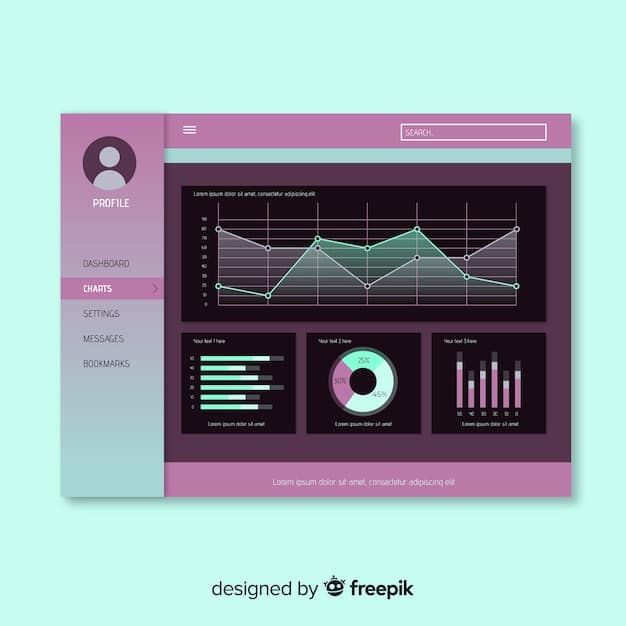
    A dashboard interface showing AI-driven marketing analytics, highlighting key metrics such as customer engagement, conversion rates, and ROI. Charts and graphs illustrate the performance of various marketing campaigns.

    In essence, AI is democratizing marketing by providing tools that enable businesses of all sizes to leverage data-driven insights and create more meaningful customer interactions. As we move closer to 2025, AI will be the linchpin of successful marketing strategies.

    AI-Driven Content Creation and Curation

    Content is king, but creating high-quality, engaging content consistently can be a challenge. AI is stepping in to revolutionize content creation and curation, making it faster, more efficient, and more effective.

    AI Writing Assistants

    AI writing assistants are tools that can help marketers generate various types of content, from blog posts and articles to social media updates and email newsletters. These tools use natural language processing (NLP) to understand context, generate text, and even optimize content for SEO.

    Automated Content Curation

    AI can automate the process of finding, filtering, and organizing relevant content from various sources. This allows marketers to curate high-quality content and share it with their audience, saving time and effort.

    • Improved Content Personalization: AI can tailor content recommendations to individual users based on their interests and preferences.
    • Increased Content Velocity: AI enables marketers to produce content at scale, meeting the growing demand for fresh, engaging material.
    • Enhanced SEO Performance: AI tools can optimize content for search engines, improving visibility and driving organic traffic.

    AI is not meant to replace human creativity but rather to augment it. By automating repetitive tasks and providing valuable insights, AI empowers marketers to focus on strategic thinking and creative problem-solving, ultimately leading to more compelling and effective content.

    The Role of Chatbots in Customer Service

    Customer service is a critical aspect of marketing, and chatbots are playing an increasingly important role in providing instant, personalized support to customers. AI-powered chatbots can handle a wide range of customer inquiries, from answering frequently asked questions to resolving complex issues.

    24/7 Availability

    Chatbots can provide round-the-clock customer support, ensuring that customers can get help whenever they need it. This is especially important for businesses with a global customer base.

    Personalized Interactions

    AI chatbots can analyze customer data and personalize interactions to meet individual needs. This can lead to higher customer satisfaction and loyalty.

    A mockup of a chatbot interface on a mobile phone, showing a conversation between a customer and an AI assistant. The chat highlights personalized recommendations and quick solutions to customer inquiries.

    • Reduced Wait Times: Chatbots can handle multiple conversations simultaneously, reducing wait times for customers.
    • Cost-Effectiveness: Chatbots can automate customer service tasks, reducing the need for human agents and lowering costs.
    • Improved Customer Insights: Chatbot interactions provide valuable data on customer behavior and preferences, which can be used to improve marketing strategies.

    As AI technology advances, chatbots are becoming more sophisticated and capable of handling increasingly complex customer service tasks. In 2025, chatbots will be an indispensable tool for businesses looking to provide exceptional customer service and build lasting relationships with their customers.

    AI and the Evolution of Social Media Marketing

    Social media marketing is constantly evolving, and AI is playing a key role in shaping its future. AI-powered tools can help marketers automate tasks, analyze data, and personalize social media experiences.

    Automated Social Media Management

    AI can automate many aspects of social media management, from scheduling posts and monitoring mentions to engaging with followers and analyzing performance. This frees up marketers to focus on creative content and strategic planning.

    Influencer Marketing Optimization

    AI can help marketers identify and vet potential influencers, analyze their audience demographics, and track the performance of influencer campaigns. This ensures that businesses are partnering with the right influencers and achieving a positive ROI.

    AI is transforming social media marketing by providing tools that enable marketers to:

    • Enhance Targeting: AI can identify the most relevant audiences for social media ads, improving targeting and driving more conversions.
    • Optimize Content: AI can analyze the performance of social media content and provide insights on what types of posts resonate with specific audiences.
    • Detect Trends: AI can identify emerging trends on social media, allowing marketers to capitalize on them and stay ahead of the curve.

    In 2025, AI will be an essential tool for social media marketers looking to maximize their reach, engagement, and ROI. By leveraging AI-powered tools, businesses can create more personalized, effective, and data-driven social media marketing strategies.

    The Ethical Considerations of AI in Marketing

    As AI becomes more prevalent in marketing, it’s crucial to consider the ethical implications. Issues such as data privacy, algorithmic bias, and transparency need to be addressed to ensure that AI is used responsibly and ethically.

    Data Privacy

    AI relies on vast amounts of data, and it’s essential to protect customer data privacy. Marketers need to be transparent about how they collect, use, and share data, and they need to obtain consent from customers before using their data for marketing purposes.

    Algorithmic Bias

    AI algorithms can be biased if they are trained on biased data. This can lead to unfair or discriminatory outcomes. Marketers need to be aware of the potential for algorithmic bias and take steps to mitigate it.

    • Transparency: Marketers should be transparent about how AI algorithms work and how they are used in marketing.
    • Accountability: Marketers should be accountable for the decisions made by AI algorithms.
    • Fairness: AI algorithms should be fair and unbiased, ensuring that all customers are treated equally.

    By addressing these ethical considerations, marketers can ensure that AI is used in a way that benefits both businesses and consumers. Ethical AI marketing practices will be essential for building trust and maintaining a positive brand reputation in 2025 and beyond.

    Preparing Your Marketing Team for the AI Revolution

    The integration of AI into marketing requires a shift in mindset and skillset. Marketing teams need to be prepared to work alongside AI-powered tools and leverage their capabilities effectively. This involves investing in training, hiring talent with AI expertise, and fostering a culture of experimentation and innovation.

    Upskilling Current Employees

    Provide training opportunities for current employees to learn about AI and its applications in marketing. This can include online courses, workshops, and conferences.

    Hiring AI Specialists

    Consider hiring data scientists, AI engineers, and other specialists who can help implement and maintain AI-powered marketing tools.

    • Embrace Experimentation: Encourage marketing teams to experiment with AI tools and approaches.
    • Foster Collaboration: Promote collaboration between marketing teams and AI specialists.
    • Focus on Strategic Thinking: Encourage marketers to focus on strategic thinking and creative problem-solving, leaving routine tasks to AI.

    By taking these steps, businesses can ensure that their marketing teams are ready to embrace the AI revolution and leverage its potential to drive growth and success. The future of marketing is here, and it’s powered by AI.

    Key Point Brief Description
    🤖 AI-Personalization Tailoring experiences via data analysis.
    📈 Predictive Analytics Anticipating customer behavior for campaigns.
    ✍️ AI Content Creation AI assists in generating engaging content.
    💬 AI Chatbots 24/7 support, personalized interactions.

    FAQ

    How is AI impacting personalization in marketing?

    AI enhances personalization by analyzing vast data sets to understand individual customer behavior, preferences, and demographics. This enables marketers to tailor messaging, content, and product recommendations effectively.

    What role do chatbots play in customer service?

    Chatbots provide 24/7 customer support, handling inquiries and resolving issues instantly. They analyze customer data to personalize interactions, reducing wait times and enhancing overall customer satisfaction.

    How can AI improve social media marketing strategies?

    AI automates social media management tasks, optimizes targeting, and enhances content creation. It helps in identifying relevant audiences, analyzing content performance, and detecting emerging trends to maximize engagement and ROI.

    What are the main ethical considerations of using AI in marketing?

    Key ethical considerations include data privacy, algorithmic bias, transparency, and accountability. Marketers must protect customer data, mitigate bias in algorithms, and be transparent about AI’s role to ensure fair and trustworthy practices.

    How can marketing teams prepare for the AI revolution?

    Marketing teams should invest in training to upskill current employees, consider hiring AI specialists, and foster a culture of experimentation and collaboration. This will help them effectively leverage AI tools and strategies.

    Conclusion

    As we journey towards 2025, the profound impact of AI on marketing becomes increasingly clear. By embracing AI-driven personalization, predictive analytics, and automation, marketers can unlock unprecedented opportunities to enhance customer experiences, optimize campaign performance, and achieve sustainable growth. The future of marketing is not just about adopting new technologies, but about strategically integrating AI to create more meaningful and impactful connections with customers.

  • AI-Powered Lead Generation: Target Your Ideal Customers

    AI-Powered Lead Generation: Target Your Ideal Customers

    AI-powered lead generation leverages artificial intelligence to identify and target ideal customers by analyzing vast datasets, predicting behaviors, and personalizing marketing efforts, resulting in higher conversion rates and more efficient customer acquisition.

    In today’s competitive market, finding the right customers is crucial for business success. AI-powered lead generation offers a revolutionary approach to identifying and targeting your ideal customers, transforming how businesses connect with potential clients.

    Understanding AI-Powered Lead Generation

    AI-powered lead generation is the process of using artificial intelligence to identify potential customers who are most likely to convert. This involves analyzing data, predicting behaviors, and personalizing marketing efforts to attract and engage the right audience.

    Traditional lead generation methods often involve broad outreach and manual filtering, which can be time-consuming and inefficient. AI, on the other hand, automates and streamlines this process, making it more accurate and effective.

    How AI Transforms Lead Generation

    AI transforms lead generation by automating tasks, enhancing personalization, and improving accuracy. It enables businesses to focus on high-quality leads, maximizing conversion rates and ROI.

    Key Components of AI in Lead Generation

    The key components include machine learning models that analyze data, natural language processing for personalized communication, and predictive analytics for identifying promising leads.

    • Data Analysis: AI algorithms analyze vast datasets to identify patterns and insights about potential customers.
    • Personalization: AI enables personalized marketing messages tailored to individual customer preferences and behaviors.
    • Automation: AI automates repetitive tasks such as lead scoring and nurturing, freeing up sales and marketing teams to focus on more strategic activities.
    • Predictive Analytics: AI uses predictive models to identify leads with a high likelihood of converting into customers.

    In summary, AI-powered lead generation enhances efficiency, accuracy, and personalization in the lead generation process, providing businesses with a competitive edge.

    A dashboard-style image showing key metrics and charts related to lead generation, with AI algorithms visually highlighting high-potential leads. The interface is clean and intuitive, with data-driven insights prominently displayed.

    Identifying Your Ideal Customer Profile with AI

    One of the primary benefits of AI-powered lead generation is the ability to create a more accurate and detailed ideal customer profile. AI analyzes data to uncover traits, behaviors, and preferences that define your best customers.

    By understanding the characteristics of your ideal customers, you can tailor your marketing efforts to attract and engage similar prospects, ultimately improving conversion rates and customer acquisition ROI.

    Data Points for Ideal Customer Profiling

    AI utilizes various data points to build comprehensive customer profiles, including demographic information, behavioral data, and psychographic insights.

    AI-Driven Segmentation

    AI-driven segmentation enables businesses to group customers based on shared characteristics, allowing for personalized marketing strategies.

    • Demographics: AI analyzes demographic data such as age, gender, location, and income to identify trends and patterns.
    • Behavioral Data: AI tracks customer interactions, purchase history, and website activity to understand their behaviors and preferences.
    • Psychographics: AI uncovers customer values, interests, and lifestyles to create more targeted and personalized marketing messages.
    • Technographics: AI identifies the technologies customers use, providing insights into their digital preferences and behaviors.

    In the end, leveraging AI to identify your ideal customer profile enables you to focus your marketing efforts on the most promising prospects, leading to increased efficiency and higher conversion rates.

    Leveraging AI Tools for Lead Generation

    AI offers a multitude of tools designed to streamline and enhance the lead generation process. From chatbots to predictive analytics platforms, these tools help businesses identify, engage, and convert potential customers more effectively.

    By integrating AI tools into your lead generation strategy, you can automate repetitive tasks, personalize customer interactions, and gain deeper insights into your target audience.

    AI-Powered Chatbots

    AI-powered chatbots automate customer interactions, providing instant support and capturing leads through conversational interfaces.

    Predictive Analytics Platforms

    Predictive analytics platforms use machine learning to identify and prioritize leads with the highest likelihood of conversion.

    • Chatbot Integration: Integrating AI chatbots onto your website or social media platforms to engage visitors and capture lead information.
    • Predictive Lead Scoring: Utilizing predictive analytics to score leads based on their likelihood of converting, enabling sales teams to prioritize their efforts.
    • Automated Email Marketing: Leveraging AI to personalize and automate email marketing campaigns based on customer behavior and preferences.
    • Social Media Monitoring: Employing AI to monitor social media channels for mentions of your brand or industry, identifying potential leads and engagement opportunities.

    Ultimately, leveraging AI tools for lead generation allows businesses to automate processes, personalize customer interactions, and gain valuable insights into their target audience, resulting in more effective and efficient lead generation efforts.

    A close-up image of a smartphone displaying a personalized marketing message generated by AI, showcasing the relevance and engagement of AI-driven customer interactions.

    Personalizing Customer Interactions with AI

    Personalization is a key element of successful lead generation, and AI enables businesses to deliver highly tailored experiences to potential customers. By analyzing data and understanding individual preferences, AI helps create marketing messages that resonate with each prospect.

    Personalized customer interactions lead to higher engagement rates, increased conversion rates, and stronger customer relationships, driving long-term business growth.

    Tailored Marketing Messages

    AI enables businesses to tailor marketing messages to individual customer preferences and behaviors, resulting in higher engagement and conversion rates.

    Dynamic Content Personalization

    Dynamic content personalization allows websites and apps to display content that is relevant to each user based on their unique characteristics and behaviors.

    • Personalized Email Campaigns: Crafting email campaigns with personalized subject lines, content, and offers based on customer data.
    • Dynamic Website Content: Displaying dynamic content on your website that adapts to each visitor’s interests and behaviors.
    • Personalized Chatbot Interactions: Using AI chatbots to deliver personalized support and recommendations based on customer queries and preferences.
    • Targeted Advertising: Creating targeted advertising campaigns that reach specific customer segments with personalized messages and offers.

    To summarize, personalizing customer interactions with AI enhances engagement, boosts conversion rates, and strengthens customer loyalty, ultimately driving business success.

    Measuring and Optimizing AI Lead Generation Strategies

    Measuring the effectiveness of your AI lead generation strategies is essential for continuous improvement. By tracking key metrics and analyzing data, you can identify areas for optimization and fine-tune your approach to maximize ROI.

    Regular monitoring and optimization ensure that your AI lead generation efforts remain aligned with your business goals and deliver sustainable results.

    Key Performance Indicators (KPIs) for AI Lead Generation

    Key KPIs include lead generation volume, conversion rates, cost per lead, and customer acquisition cost.

    A/B Testing and Iteration

    A/B testing and iteration allow businesses to experiment with different strategies and optimize their AI lead generation efforts over time.

    • Lead Volume: Monitoring the number of leads generated by your AI-powered campaigns.
    • Conversion Rates: Tracking the percentage of leads that convert into customers.
    • Cost Per Lead (CPL): Measuring the cost-effectiveness of your lead generation efforts.
    • Customer Acquisition Cost (CAC): Assessing the overall cost of acquiring new customers through AI-powered lead generation.

    Therefore, measuring and optimizing AI lead generation strategies is crucial for maximizing ROI and ensuring your efforts align with your business goals.

    Ethical Considerations in AI-Powered Lead Generation

    As AI becomes increasingly integrated into lead generation, it’s essential to consider the ethical implications of collecting and using customer data. Transparency, privacy, and fairness should be at the forefront of your AI strategy.

    By adhering to ethical principles, you can build trust with your customers, protect their privacy, and maintain a positive brand reputation.

    Data Privacy and Security

    Protecting customer data is paramount, and businesses must implement robust security measures to prevent data breaches and unauthorized access.

    Transparency and Consent

    Transparency about how data is collected and used is essential for building trust with customers.

    • Data Security: Implementing robust security measures to protect customer data from breaches and unauthorized access.
    • Transparency: Being transparent about how customer data is collected, used, and shared.
    • Consent: Obtaining explicit consent from customers before collecting and using their data for marketing purposes.
    • Fairness: Ensuring that AI algorithms do not discriminate against certain groups of people.

    In conclusion, addressing ethical considerations in AI-powered lead generation is crucial for building trust, protecting privacy, and maintaining a positive brand image.

    Key Point Brief Description
    🤖 AI Power AI automates and streamlines lead generation processes.
    🎯 Target Customers AI helps to identify and target ideal customers.
    📈 Increased ROI AI enables higher engagement, conversion, and ROI in marketing.
    🔒 Ethical AI It’s important to implement AI ethically, regarding data privacy and transparency.

    FAQ

    What is AI-powered lead generation?

    AI-powered lead generation uses artificial intelligence to identify potential customers. It analyzes data, predicts behaviors, and personalizes marketing, leading to better targeting.

    How does AI identify ideal customers?

    AI analyzes demographic, behavioral, and psychographic data to create comprehensive customer profiles. This data helps to identify the characteristics of ideal customers.

    What are the benefits of AI in lead generation?

    Benefits include automation, personalization, and improved accuracy. AI enhances efficiency, reduces costs, and optimizes marketing efforts for better results.

    Which AI tools can be used for lead generation?

    AI-powered chatbots, predictive analytics platforms, and automated email marketing tools are commonly used. These tools automate tasks and personalize customer interactions.

    Why is ethical AI important in lead generation?

    Ethical AI practices ensure data privacy, transparency, and fairness. Adhering to these principles builds trust with customers and maintains a positive brand reputation.

    Conclusion

    AI-powered lead generation is transforming how businesses identify and engage with potential customers. By leveraging AI tools and strategies, you can significantly enhance your lead generation efforts, resulting in increased efficiency, higher conversion rates, and stronger customer relationships. Embracing AI in lead generation is essential for staying competitive and achieving sustainable business growth in the long run.

  • How AI Can Help You Create Engaging Video Content

    How AI Can Help You Create Engaging Video Content

    AI is revolutionizing video content creation, offering tools for automated editing, script generation, personalized content, and enhanced engagement through data-driven insights.

    In today’s digital landscape, video content reigns supreme, but capturing and maintaining audience attention is a constant challenge. The rise of artificial intelligence (AI) offers a powerful toolkit to creators seeking to elevate their videos. Discover how AI can help you create more engaging video content, from streamlining production to personalizing viewer experiences.

    How AI Transforms Video Creation

    AI is not just a futuristic concept; it is actively changing how videos are made, marketed, and consumed. It’s revolutionizing the entire video creation process. From pre-production to post-production, AI tools offer unprecedented capabilities.

    Let’s explore the multifaceted role of AI in enhancing video content.

    Automated Video Editing

    Traditional video editing can be time-consuming, but AI can automate many tedious tasks, significantly speeding up the editing process.

    Intelligent Script Generation

    Struggling to write compelling scripts? AI-powered script generators can analyze trends, suggest topics, and even write entire scripts based on specific keywords and demographics.

    • AI algorithms can identify and remove unwanted footage.
    • AI can perform color correction, audio enhancements, and video stabilization.
    • These tools use machine learning to understand your editing style and predict your needs.

    From identifying the target audience to creating dialogues, AI tools ensure that the script resonates with viewers and keeps them hooked.

    A professional video creator smiles at their workstation, where AI tools are helping to edit a video. On the screen, automatic enhancements, personalized thumbnails, and other AI capabilities are visible.

    AI tools can help you stay relevant and engaging, ensuring the content aligns with current trends and viewer interests.

    Personalization and AI: Tailoring Video Content

    One of the most significant advantages of AI is its ability to personalize video content for individual viewers. This personalization goes beyond simply using a viewer’s name; it involves tailoring the entire video experience.

    By understanding viewer preferences and behaviors, AI can create videos that resonate more deeply.

    Dynamic Content Modification

    AI algorithms analyze user data like viewing history, demographics, and preferences to dynamically alter video components.

    Interactive Elements

    AI can introduce interactive elements to videos, such as polls, quizzes, and personalized recommendations, helping you interact with your audience.

    • AI adjusts the video based on the viewer’s interests.
    • Customized intros and outros can be a part of various video components.
    • Algorithms that predict user behavior are used.

    These interactions boost audience engagement and provide valuable feedback for future content.

    AI helps in predicting engagement and also helps to create a feedback loop for continuous improvement.

    Improving Audience Engagement with AI-Driven Analytics

    Understanding your audience is crucial for creating engaging video content. AI offers sophisticated analytics tools that provide insights into viewer behavior, preferences, and engagement patterns.

    This data can inform your content strategy, helping you create videos that resonate with your audience.

    Real-Time Feedback

    AI tools provide real-time feedback on engagement metrics, such as watch time, click-through rates, and social shares.

    Predictive Analytics

    AI can forecast which types of content will perform well based on historical data, allowing you to optimize your video strategy.

    A dashboard is viewed on a tablet that displays predictive analytics for video campaigns, showcasing metrics like engagement rate, viewer demographics, and performance forecasts powered by AI. Charts and graphs illustrate the data, emphasizing AI's role in optimizing content strategy.

    • Analyze viewer demographics and psychographics.
    • Identify peak engagement moments and drop-off points.
    • Assess the effectiveness of different video elements, such as thumbnails and calls to action.

    By monitoring these metrics, you can adjust your content in real time to maximize audience retention.

    Analytics tools can also help you identify influencers and brand advocates. This helps broaden your content’s reach.

    AI-Powered Tools for Idea Generation

    Coming up with fresh and engaging video ideas can be challenging. AI can assist in the brainstorming process by analyzing trends, identifying content gaps, and suggesting innovative topics.

    AI-driven idea generation tools can help creators overcome creative blocks and develop engaging content.

    Trend Analysis

    AI algorithms scan across various platforms to identify trending topics and keywords, ensuring your content stays relevant.

    Content Gap Identification

    By analyzing existing content, AI can spot gaps in the market and propose unique video ideas.

    AI assists in analyzing market dynamics and also helps to innovate and adapt.

    • AI tools provide a list of relevant topics tailored to your niche.
    • AI algorithms can suggest different angles and perspectives.
    • The brainstorming sessions are data-backed and more productive.

    AI helps creators stay ahead by continuously offering new creative avenues.

    By giving a data-driven approach to discovering topics, AI ensures content aligns with both current trends and audience interests.

    Improving Accessibility and Global Reach

    AI can help make video content more accessible to a wider audience by providing automated translation, subtitling, and audio descriptions.

    These features ensure that your videos can be understood and enjoyed by people worldwide, regardless of language or ability.

    Automated Translation and Subtitling

    AI automatically translates video content into multiple languages, breaking down language barriers and expanding your global reach.

    Audio Descriptions

    AI generates audio descriptions for visually impaired viewers, enhancing their viewing experience and promoting inclusivity.

    AI is a great enabler for accessibility and inclusivity.

    • AI algorithms provide accurate transcriptions of spoken content.
    • Different language subtiles are also available.
    • The features are also time-saving and cost-effective.

    By leveraging AI tools for accessibility, content creators can connect with more diverse audiences and make a broader impact.

    Accessibility not only enhances user experience but also contributes to better SEO rankings.

    The Future of Video Content Creation with AI

    While AI offers tremendous benefits, it is essential to recognize that it is not a replacement for human creativity. Instead, it is a tool that empowers creators to produce better content more efficiently.

    The most successful video creators will be those who embrace AI and integrate it into their workflows.

    Enhanced Creativity

    AI handles repetitive tasks which frees up creators to focus on the more creative aspects of video production, such as storytelling and artistic expression.

    Continuous Learning

    AI algorithms continuously learn from data, becoming more sophisticated and effective over time which enriches video content.

    AI complements creators by automating tasks, offering data-driven insights, and enhancing accessibility.

    • In the coming years, video creation tools will become even more integrated.
    • AI will support content creators more effectively to make superior videos.
    • Those who embrace the changes will thrive in the dynamic content creation landscape.

    This harmonious collaboration between humans and machines will lead to a new era of video content that is engaging, personalized, and accessible to all.

    Adopting new technology ensures creators stay innovative, relevant, and able to meet the evolving demands of the digital space.

    Key Point Brief Description
    💡 Automated Editing Speeds up video production with AI-driven tasks like scene detection and object removal.
    🎯 Personalization Tailors video content to individual viewer preferences through dynamic content modification.
    📊 AI Analytics Provides real-time feedback on engagement, enabling data-driven content optimization.

    FAQ

    How does AI enhance video editing?

    AI enhances video editing by automating tasks like cutting footage, color correction, and audio enhancements, saving time and improving the quality of the final product.It streamlines the overall production workflow.

    Can AI personalize video content for each viewer?

    Yes, AI uses data on viewer preferences to tailor video content dynamically, altering components like introductions, recommendations, and interactive elements for personalized experiences. It uses user behavior as an indicator.

    What type of analytics does AI provide for video content?

    AI offers real-time feedback on metrics, such as click-through rate, social shares and watch time.The tools also forecast content performance based on pattern recognition. This helps maximize audience retention.

    How can AI help with video idea generation?

    AI algorithms scan various platforms looking for keywords, content gaps and trending topics.It helps creators overcome imaginative blocks and develop engaging ideas. It is data-backed and more productive through the process.

    How does AI improve the accessibility of video content?

    AI improves accessibility by providing descriptions and automated translation by creating automatic transcripts. These transcriptions offer multilingual subtitles and ensure the broadest viewership.

    Conclusion

    AI has emerged as a very important tool for marketers to enhance video content. By using these tools, one can automate and analyze information easily. Therefore, the future offers a collaborative world of video innovation.

  • AI-Powered Marketing Automation: The Complete 2025 Guide

    AI-Powered Marketing Automation: The Complete 2025 Guide

    AI-powered marketing automation revolutionizes how businesses engage with customers by leveraging artificial intelligence to streamline processes, personalize interactions, and optimize marketing campaigns for enhanced efficiency and ROI.

    Welcome to the future of marketing! In this comprehensive guide, we’ll explore how AI-powered marketing automation is transforming the industry and how you can leverage its power to achieve unprecedented results. Learn how to automate tasks, personalize customer experiences, and optimize your campaigns for maximum impact.

    Understanding the Basics of AI-Powered Marketing Automation

    AI-powered marketing automation isn’t just about automating repetitive tasks; it’s about leveraging the power of artificial intelligence to make smarter, data-driven decisions that enhance the customer journey and drive business growth. Let’s delve into the fundamental concepts underpinning this transformative technology.

    What is Marketing Automation?

    Marketing automation involves using software to automate repetitive marketing tasks such as email marketing, social media posting, and ad campaigns. Traditional marketing automation relies on rules and pre-defined workflows.

    How Does AI Enhance Marketing Automation?

    AI enhances marketing automation by adding a layer of intelligence. AI algorithms can analyze vast amounts of data to identify patterns, predict customer behavior, and personalize interactions in real-time, making marketing efforts more effective and efficient.

    • Personalized Customer Journeys: AI can tailor content and offers to individual customers based on their behavior and preferences.
    • Predictive Analytics: AI can forecast future trends and customer behavior, allowing marketers to proactively adjust their strategies.
    • Improved Efficiency: AI can automate complex tasks, freeing up marketers to focus on strategic initiatives.

    A visual representation of an AI algorithm analyzing customer data, with lines connecting various data points to illustrate personalized marketing messages being generated in real-time.

    In essence, AI-powered marketing automation transforms marketing from a reactive, rules-based process into a proactive, intelligent, and personalized strategy. This leads to better customer engagement, increased conversions, and ultimately, higher ROI.

    Key Benefits of Integrating AI into Marketing Automation

    Integrating AI into your marketing automation strategy offers a multitude of benefits that can significantly impact your business’s bottom line. Let’s explore some of the most compelling advantages of this powerful combination.

    Enhanced Personalization

    AI enables a level of personalization that was previously impossible. By analyzing customer data, AI can create highly targeted and relevant content, offers, and experiences for each individual.

    Improved Lead Scoring

    AI algorithms can accurately score leads based on their behavior and engagement, allowing sales teams to focus on the most promising prospects. This leads to higher conversion rates and more efficient sales processes.

    • Increased Customer Engagement: Personalized content resonates better with customers, leading to higher engagement rates.
    • Higher Conversion Rates: Targeted offers and messaging increase the likelihood of conversions.
    • Better ROI: By optimizing marketing efforts, AI helps to maximize return on investment.

    AI-driven marketing automation empowers businesses to deliver exceptional customer experiences, build stronger relationships, and achieve sustainable growth. It moves beyond simply automating tasks to creating dynamic, intelligent, and personalized interactions.

    Implementing AI-Powered Marketing Automation: A Step-by-Step Guide

    Implementing AI-powered marketing automation can seem daunting, but by following a structured approach, you can successfully integrate this technology into your marketing strategy. Here’s a step-by-step guidance:

    Step 1: Define Your Goals

    Begin by clearly defining what you want to achieve with AI-powered marketing automation. Are you looking to increase leads, improve customer engagement, or boost sales? Having specific goals will guide your implementation process.

    Step 2: Choose the Right Tools

    Select an AI-powered marketing automation platform that aligns with your business needs. Consider factors such as features, integrations, scalability, and pricing. Popular options include HubSpot, Marketo, and Salesforce Marketing Cloud.

    Step 3: Data Integration and Cleansing

    Integrate your data sources into the automation platform. Ensure that your data is clean, accurate, and properly segmented. AI algorithms rely on high-quality data to deliver optimal results.

    • Start Small: Begin with a pilot project to test and refine your AI-powered automation setup.
    • Monitor and Optimize: Continuously monitor the performance of your automation campaigns and make adjustments as needed.
    • Train Your Team: Provide your marketing team with the necessary training and resources to effectively use the new tools.

    A flowchart illustrating the steps involved in implementing AI-powered marketing automation, including data integration, goal setting, tool selection, campaign creation, and performance monitoring.

    Successful implementation requires careful planning, data integration, and ongoing optimization. By taking a structured approach, you can seamlessly integrate AI into your marketing workflows and unlock its full potential.

    Examples of AI in Marketing Automation

    To truly understand the impact of AI in marketing automation, it’s important to see it in action. Here are several real-world examples illustrating how businesses are leveraging AI to enhance their marketing efforts:

    AI-Powered Email Marketing

    AI can analyze customer behavior to send personalized email campaigns at the optimal time, with the most relevant content. This leads to higher open rates, click-through rates, and conversions.

    AI Chatbots for Customer Service

    AI-powered chatbots can provide instant customer support, answer frequently asked questions, and resolve issues in real-time. This improves customer satisfaction and frees up human agents to focus on more complex tasks.

    • Content Curation: AI can identify and recommend relevant content to customers based on their interests and preferences.
    • Social Media Management: AI can automate social media posting, monitor brand mentions, and analyze sentiment to optimize social media strategies.
    • Ad Campaign Optimization: AI can analyze ad performance data to automatically adjust bids, targeting, and creative elements for maximum ROI.

    These examples demonstrate the diverse applications of AI in marketing automation and the potential to significantly improve efficiency, personalization, and ROI. By exploring these use cases, you can identify opportunities to leverage AI in your own marketing strategy.

    Challenges and Considerations When Using AI in Marketing

    While the potential benefits of AI in marketing are immense, it’s important to acknowledge the challenges and considerations that come with implementing this technology. Understanding these potential pitfalls can help you navigate the complexities of AI and ensure a successful integration.

    Data Privacy and Security

    AI relies on vast amounts of data, raising concerns about privacy and security. Ensure that you comply with data protection regulations and implement robust security measures to protect customer information.

    Bias and Fairness

    AI algorithms can perpetuate biases present in the data they are trained on. Regularly audit your AI systems to identify and mitigate potential biases, ensuring fairness and ethical usage.

    • Lack of Transparency: Some AI algorithms are “black boxes,” making it difficult to understand how they make decisions. Ensure that you choose AI solutions that are transparent and explainable.
    • Integration Complexity: Integrating AI into existing marketing systems can be complex and require specialized expertise. Plan your integration carefully and consider seeking external support if needed.
    • Cost: Implementing and maintaining AI systems can be expensive. Carefully evaluate the costs and benefits to ensure that AI is a worthwhile investment for your business.

    By addressing these challenges and considerations, you can mitigate potential risks and ensure that your AI-powered marketing efforts are ethical, effective, and sustainable. Thoughtful planning and ongoing monitoring are crucial for navigating the complexities of AI in marketing.

    The Future of AI-Powered Marketing Automation

    The field of AI-powered marketing automation is rapidly evolving, with new innovations and advancements emerging constantly. Looking ahead, here are some key trends and predictions that will shape the future of marketing:

    Hyper-Personalization

    AI will enable even more granular personalization, delivering tailored experiences to individual customers in real-time. This will require access to even more data and sophisticated AI algorithms.

    AI-Driven Content Creation

    AI will play a greater role in content creation, generating articles, blog posts, and other marketing materials automatically. This will free up marketers to focus on strategy and creative development.

    • Voice Marketing: AI will power voice assistants and chatbots to deliver personalized marketing messages through voice channels.
    • Predictive Customer Service: AI will anticipate customer needs and proactively offer assistance, improving customer satisfaction and loyalty.
    • Ethical AI: As AI becomes more prevalent, there will be an increased focus on ethical considerations and ensuring that AI is used responsibly and fairly.

    Key Point Brief Description
    💡 Personalization AI enhances personalization through data analysis, creating tailored experiences for each customer.
    📈 Lead Scoring AI accurately scores leads, enabling sales teams to focus on high-potential prospects.
    🤖 Chatbots AI-powered chatbots provide instant customer support, improving satisfaction and efficiency.
    🔒 Data Privacy Addressing data privacy concerns is crucial for ethical AI implementation in marketing.

    Frequently Asked Questions (FAQ)

    What is AI-powered marketing automation?

    AI-powered marketing automation combines traditional marketing automation with artificial intelligence to personalize the customer experience and optimize marketing campaigns using data-driven decision-making.

    How can AI improve lead scoring?

    AI algorithms analyze various data points to accurately score leads based on their behavior and engagement, allowing sales teams to prioritize high-potential prospects, improving conversion rates.

    What are the benefits of using AI chatbots for customer service?

    AI chatbots provide instant customer support, answer common questions, and resolve issues in real-time, enhancing customer satisfaction, reducing response times, and freeing up human agents for complex issues.

    What are the challenges of implementing AI in marketing?

    Implementing AI in marketing poses challenges such as data privacy concerns, potential bias in algorithms, the need for transparency, integration complexity, and high costs, which require careful planning.

    How is AI likely to evolve in marketing automation in the future?

    The future of AI in marketing automation will likely involve hyper-personalization, increased AI-driven content creation, expanding roles for voice marketing, and proactive customer service, all underpinned by ethical AI considerations.

    Conclusion

    As we’ve explored in this complete guide, AI-powered marketing automation is revolutionizing the way businesses connect with their customers. By embracing AI, marketers can unlock new levels of efficiency, personalization, and ROI, ultimately driving sustainable growth and success.

  • Boost Your Marketing with AI-Powered A/B Testing

    Boost Your Marketing with AI-Powered A/B Testing

    Discover how to improve your marketing campaigns using AI-driven A/B testing, optimizing strategies and achieving better results through data-driven decisions.

    Ready to enhance your marketing strategies and achieve superior results? Discover how to improve your marketing campaigns with AI-driven A/B testing, by unlocking new levels of optimization and data-driven decision-making.

    Understanding the Basics of A/B Testing

    A/B testing is a crucial methodology in marketing that allows you to compare two versions of a campaign element to determine which performs better. This approach helps refine strategies and optimize for maximum impact.

    What is A/B Testing?

    A/B testing, also known as split testing, involves creating two versions (A and B) of a single marketing asset—such as an email, landing page, or advertisement—and showing them to similar audiences. The goal is to measure which version yields better results based on predefined metrics.

    Why is A/B Testing Important?

    A/B testing provides data-backed insights, reducing guesswork and enabling marketers to make informed decisions. It ensures that campaigns are optimized for engagement, conversion rates, and overall performance, leading to better ROI.

    • Enhances user experience by identifying preferred designs and content.
    • Increases conversion rates by optimizing calls to action and page layouts.
    • Reduces bounce rates by improving page relevance and engagement.
    • Maximizes ROI by allocating resources to the most effective strategies.

    Traditional A/B testing relies heavily on manual analysis and can be time-consuming. By incorporating AI, the testing process becomes more efficient, accurate, and scalable, driving better outcomes in marketing campaigns.

    A close-up of an AI interface running A/B tests, highlighting advanced analytics and automated decision-making features. Shows various data points and real-time performance metrics.

    The Role of AI in Modern A/B Testing

    Artificial intelligence transforms A/B testing by automating processes, enhancing accuracy, and providing deeper insights. This integration offers significant advantages over traditional testing methods.

    How AI Enhances A/B Testing

    AIAI algorithms can analyze vast datasets to predict which variations will perform best. They can also automatically adjust test parameters in real-time, optimizing the testing process and delivering faster results.

    Benefits of Using AI for A/B Testing

    AI-driven A/B testing streamlines operations, enhances decision-making, and improves overall campaign effectiveness. It minimizes the need for manual intervention, freeing up marketers to focus on broader strategic initiatives.

    • Automated Test Setup: AI automatically configures and launches tests, reducing manual effort.
    • Real-Time Optimization: Algorithms adjust parameters on the fly based on performance data.
    • Predictive Analysis: AI forecasts which variations will yield the best results.
    • Personalized Experiences: AI tailors tests to individual user segments for more relevant outcomes.

    Integrating AI into A/B testing not only accelerates the testing cycle but also ensures that marketing efforts are more closely aligned with user preferences and behaviors, leading to improved campaign success.

    Implementing AI-Driven A/B Testing: A Step-by-Step Guide

    Implementing AI A/B testing requires a structured approach. Follow these steps to ensure a smooth transition and effective utilization of AI tools.

    Step 1: Define Clear Objectives

    Start by identifying your goals. What metrics do you want to improve? Common objectives include increasing click-through rates, boosting conversion rates, or reducing bounce rates. Clearly defining your objectives sets the stage for relevant testing.

    Step 2: Select the Right AI Tools

    Choose AI-powered A/B testing platforms that align with your business needs. Look for features like automated test creation, real-time optimization, and advanced analytics. Popular tools include:

    • Google Optimize: Integrates with Google Analytics for seamless data analysis.
    • Optimizely: Offers robust AI features for personalized testing experiences.
    • Adobe Target: Provides AI-powered personalization and A/B testing capabilities.
    • VWO: A comprehensive platform with AI-driven insights and optimization tools.

    Step 3: Set Up Your Tests

    Configure your tests using the chosen AI platform. Define the variations you want to test, the target audience segments, and the key performance indicators (KPIs) that will determine success. Ensure that your setup is accurate and aligned with your objectives.

    Step 4: Monitor and Analyze Results

    Continuously monitor the performance of your A/B tests. AI algorithms will provide real-time insights, highlighting which variations are performing well and suggesting adjustments. Analyze the data to understand user behavior and identify patterns.

    By following these steps, you can effectively integrate AI into your A/B testing strategy, driving significant improvements in your marketing campaigns.

    A graph illustrating the results of an AI-driven A/B test, showing a clear performance lift in one variation compared to another. The graph includes labels such as

    Advanced Strategies for AI-Powered A/B Testing

    To maximize the benefits of AI in A/B testing, incorporate advanced strategies that leverage the full potential of these technologies.

    Personalized A/B Testing

    AI enables personalized A/B testing, tailoring variations to individual user segments based on their behavior, preferences, and demographics. This approach ensures that each user sees the most relevant and engaging content.

    Multivariate Testing with AI

    Multivariate testing involves testing multiple elements of a webpage or campaign simultaneously. AI algorithms can efficiently analyze the complex interactions between these elements, identifying the optimal combinations for peak performance.

    Predictive Analysis for A/B Testing

    AI algorithms can predict which variations are likely to perform best before the test has even begun. This predictive capability allows marketers to prioritize their efforts and focus on the most promising strategies, saving time and resources.

    Case Studies: Successful AI-Driven A/B Testing Campaigns

    Reviewing successful case studies can provide valuable insights into how AI-driven A/B testing can be effectively applied in real-world scenarios.

    Case Study 1: E-commerce Conversion Rate Optimization

    An e-commerce company used AI-powered A/B testing to optimize its product pages. By testing different layouts, images, and calls to action, they increased their conversion rate by 20%. The AI algorithms identified that personalized product recommendations and streamlined checkout processes resonated best with customers.

    Case Study 2: Email Marketing Engagement

    A marketing agency employed AI to enhance email marketing campaigns. By testing various subject lines, content formats, and send times, they saw a 30% increase in email open rates and a 25% increase in click-through rates. AI’s ability to analyze user engagement patterns led to these significant improvements.

    Case Study 3: Website User Experience Improvement

    A tech startup leveraged AI to improve its website user experience. By testing different navigation structures, content placements, and interactive elements, they reduced bounce rates by 15% and increased time on site by 40%. AI-driven insights helped them create a more intuitive and engaging user journey.

    These case studies demonstrate the tangible benefits of integrating AI into A/B testing, showcasing how businesses can achieve substantial gains in various marketing areas.

    Overcoming Challenges in AI-Driven A/B Testing

    While AI offers immense advantages, implementing and managing AI-driven A/B testing can present certain challenges.

    Data Quality and Integration

    AI algorithms rely on high-quality data to generate accurate insights. Ensure that your data is clean, complete, and properly integrated across your systems. Data quality issues can lead to misleading results and ineffective testing strategies.

    Algorithm Bias

    AI algorithms can be biased if they are trained on biased data. Regularly audit your AI systems to identify and mitigate any biases that could skew your A/B testing outcomes. Fair and unbiased analysis is crucial for reliable results.

    Technical Expertise

    Leveraging AI for A/B testing requires a certain level of technical expertise. Invest in training your team or hire professionals who can effectively manage and interpret AI-driven insights. A skilled team ensures that you can maximize the value of your AI investment.

    Key Point Brief Description
    🎯 Define Objectives Clearly define goals like increasing conversion or reducing bounce rates.
    🤖 Select AI Tools Choose platforms like Google Optimize or Optimizely with AI-driven features.
    📈 Monitor Results Continuously track performance and analyze data from AI algorithms.
    📊 Personalized Testing Use AI to tailor variations to user segments for relevant experiences.

    FAQ Section

    What is AI-driven A/B testing?

    AI-driven A/B testing uses artificial intelligence to automate and optimize the A/B testing process, enhancing accuracy and efficiency by providing real-time insights and predictive analysis.

    How does AI enhance A/B testing?

    AI enhances A/B testing by automating test setup, offering real-time optimization, providing predictive analysis, and enabling personalized experiences, thereby improving campaign effectiveness and ROI.

    What are the benefits of using AI for A/B testing in marketing?

    Benefits include increased conversion rates, reduced bounce rates, improved user experience, maximized ROI, and data-backed decision-making, leading to more successful marketing campaigns.

    What type of AI tools are optimal for A/B testing?

    Optimal AI tools include those with automated test creation, real-time optimization, and advanced analytics, such as Google Optimize, Optimizely, Adobe Target, and VWO.

    What are some challenges in implementing AI-driven A/B testing?

    Challenges include data quality consistency, algorithm biases, and technical expertise. Ensure fair analysis and hire skilled managers to maximize your AI investment.

    Conclusion

    By integrating AI into your A/B testing practices, you can unlock new possibilities for optimization and achieve better results in your marketing campaigns. Embrace these advanced strategies and stay ahead in the dynamic world of digital marketing.

  • Boost Your Sales: The Power of AI Product Recommendations

    Boost Your Sales: The Power of AI Product Recommendations

    Boost Your Sales with AI-Driven Product Recommendations by leveraging personalized shopping experiences, enhanced customer engagement, and data-driven strategies that increase conversion rates and average order value.

    Unlock the power of personalized shopping experiences and propel your revenue skyward! Discover how to boost your sales with AI-driven product recommendations, transforming your customer interactions and driving conversions like never before.

    Understanding AI-Driven Product Recommendations

    AI-driven product recommendations are transforming the e-commerce landscape. By analyzing vast amounts of data, AI can predict what a customer is likely to buy, creating personalized shopping experiences that boost sales and increase customer loyalty.

    What are AI-Driven Product Recommendations?

    AI-driven product recommendations use algorithms to analyze customer data, such as browsing history, purchase history, demographics, and real-time behavior. This analysis helps predict which products a customer is most likely to purchase, creating personalized recommendations that are displayed on a website or app.

    Benefits of Using AI for Product Recommendations

    Implementing AI-driven product recommendations offers several benefits, including increased sales, improved customer engagement, and enhanced customer loyalty. By providing personalized recommendations, businesses can create a more relevant and engaging shopping experience, leading to higher conversion rates and average order values.

    • Enhance customer experience: Tailor product offerings to individual customer preferences.
    • Increase conversion rates: Suggest products that customers are more likely to purchase.
    • Boost average order value: Encourage customers to add more items to their cart.

    A graphic illustrating how AI algorithms process data from various sources (customer profiles, browsing history, purchase data) to generate personalized product recommendations. Use icons to represent each data source and arrows to show the flow of information.

    In essence, AI-driven recommendations transform generic shopping experiences into personalized journeys, optimizing for both customer satisfaction and business growth.

    Implementing AI Product Recommendation Systems

    Implementing an AI product recommendation system requires careful planning and execution. From choosing the right technology to customizing the recommendations, several steps need to be taken to ensure success.

    Choosing the Right AI Technology

    Selecting the right AI technology is crucial for effective product recommendations. Several options are available, including machine learning algorithms, deep learning models, and hybrid approaches. The choice depends on the specific needs and resources of the business.

    Customizing Recommendations for Your Audience

    Generic recommendations can be ineffective and even annoying to customers. Tailoring the recommendations to the specific needs and preferences of your target audience is essential for driving sales and building customer loyalty.

    • Segmenting customers: Group customers based on demographics, behavior, and purchase history.
    • Personalizing recommendations: Use data to tailor recommendations to individual customer preferences.
    • Testing and optimizing: Continuously monitor and improve the performance of the recommendation system.

    Customization ensures that the recommendations resonate with your customers, creating a more meaningful and satisfying shopping experience.

    Data Collection and Analysis

    Data is the backbone of any AI-driven product recommendation system. Collecting and analyzing the right data is essential for generating accurate and relevant recommendations that boost sales.

    Types of Data to Collect

    Collecting a variety of data points can significantly enhance the accuracy of AI-driven recommendations. This includes browsing history, purchase history, demographic data, product reviews, and real-time behavior.

    Turning Data into Actionable Insights

    Simply collecting data is not enough. The data must be analyzed and transformed into actionable insights that can be used to improve the performance of the recommendation system. This involves cleaning the data, identifying patterns, and creating predictive models.

    • Data cleaning: Ensuring the data is accurate and consistent.
    • Pattern identification: Discovering trends and relationships within the data.
    • Predictive modeling: Creating models that can predict future customer behavior.

    A UI design mockup showing how AI-driven product recommendations are seamlessly integrated into an e-commerce website. The mockup should include various recommendation placements (e.g.,

    Effective data analysis ensures that the AI system is continuously learning and improving, leading to more relevant and profitable recommendations.

    Personalization Strategies for AI Recommendations

    Personalization is key to the success of AI-driven product recommendations. By tailoring the recommendations to individual customer preferences, businesses can significantly increase sales and customer loyalty.

    Behavioral Personalization

    Behavioral personalization involves analyzing a customer’s past behavior, such as browsing history, purchase history, and interactions with a website or app, to predict their future interests. This allows businesses to create recommendations that are highly relevant and engaging.

    Contextual Personalization

    Contextual personalization takes into account the current context of a customer’s shopping experience, such as the time of day, location, and device being used. This allows businesses to provide recommendations that are even more relevant and timely.

    Personalization strategies ensure that each customer receives a unique and tailored shopping experience, maximizing their engagement and likelihood of purchase.

    Measuring the Success of AI Recommendations

    Measuring the success of AI recommendations is essential for optimizing the system and ensuring that it is delivering the desired results. Key metrics include conversion rates, average order value, and customer satisfaction.

    Key Metrics to Track

    Tracking key metrics provides valuable insights into the performance of the AI recommendation system. These metrics include:

    • Conversion rates: The percentage of customers who make a purchase after viewing a recommendation.
    • Average order value: The average amount spent per order.
    • Click-through rates: The percentage of customers who click on a recommendation.
    • Customer satisfaction: Measures of customer satisfaction with the recommendations.

    A/B Testing for Optimization

    A/B testing is a powerful tool for optimizing the performance of AI recommendations. By testing different algorithms, personalization strategies, and recommendation placements, businesses can identify what works best for their audience and continuously improve the system.

    Regular measurement and optimization ensure that the AI recommendation system remains effective and continues to deliver a strong return on investment.

    Future Trends in AI Product Recommendations

    The field of AI product recommendations is constantly evolving, with new technologies and strategies emerging all the time. Staying ahead of the curve is essential for maintaining a competitive edge and delivering the best possible shopping experience to customers.

    AI and Visual Search

    Visual search is becoming increasingly popular, allowing customers to search for products using images rather than text. AI can be used to analyze images and provide relevant product recommendations based on what the customer sees.

    AI and Voice Commerce

    Voice commerce is another emerging trend, with more and more customers using voice assistants to shop online. AI can be used to understand voice commands and provide personalized product recommendations through voice-based interactions.

    By embracing these future trends, businesses can continue to enhance their AI recommendation systems and deliver even more personalized and engaging shopping experiences.

    Key Point Brief Description
    💡 Personalization Customize recommendations to individual preferences.
    📈 Data Analysis Analyze customer data to improve product recommendations.
    🤖 AI Technology Use machine learning for effective product recommendations.
    📊 Metric Tracking Monitor key metrics like conversion rates for optimization.

    Frequently Asked Questions

    What is AI-driven product recommendation?

    AI-driven product recommendation is a technology that leverages artificial intelligence algorithms to suggest relevant products to customers based on their browsing and purchase histories.

    How does AI boost sales for e-commerce businesses?

    AI boosts sales by presenting personalized product suggestions, enhancing customer engagement, and improving conversion rates, thereby increasing the average order value.

    What types of data are used for AI recommendations?

    AI recommendations use data such as browsing history, purchase history, demographic information, product reviews, and real-time behavior to provide tailored suggestions.

    How can I measure the success of AI-driven recommendations?

    Success can be measured using metrics like conversion rates, average order value, click-through rates, and customer satisfaction scores, allowing for continuous improvement.

    What are some future trends in AI product recommendations?

    Future trends include the integration of visual search, voice commerce, and more advanced machine learning models to provide even more personalized and seamless shopping experiences.

    Conclusion

    By understanding and implementing AI-driven product recommendations, businesses can unlock new levels of personalization, engagement, and ultimately, sales growth. Embrace the power of AI to transform your customer interactions and drive your business forward.

  • AI-Powered Legal Research: Find Case Law 80% Faster

    AI-Powered Legal Research: Find Case Law 80% Faster

    AI-powered legal research revolutionizes legal practice by automating the discovery of relevant case law, enabling legal professionals to find crucial information up to 80% faster through automated analysis and improved efficiency.

    Dive into the world of AI-Powered Legal Research: Find Relevant Case Law 80% Faster with Automated Analysis, transforming how legal professionals conduct research, saving precious time and improving accuracy in legal proceedings.

    The Rise of AI in Legal Research

    Artificial intelligence (AI) is rapidly transforming numerous industries, and the legal sector is no exception. The integration of AI in legal research is revolutionizing how lawyers, paralegals, and other legal professionals conduct their work. This technology offers unprecedented speed, efficiency, and accuracy in finding relevant case law and legal precedents.

    The evolution of legal research, driven by AI, promises to alleviate many of the traditional challenges associated with manual research methods. Let’s explore how AI is reshaping this field and what benefits it brings.

    Traditional Legal Research: Challenges

    Traditional legal research methods are often time-consuming and labor-intensive. Lawyers spend countless hours sifting through volumes of case law, statutes, and legal articles to find the information they need. This process is not only costly but also prone to human error.

    • Time Consumption: Manual searches can take days or even weeks to complete, delaying case preparations.
    • High Costs: The extensive hours spent on research translate into significant billable hours, increasing client expenses.
    • Potential for Errors: Human researchers might miss crucial information due to fatigue or oversight.
    • Limited Scope: Manual methods may not cover all available resources, leading to incomplete research.

    AI addresses these challenges by automating the research process and enhancing the ability to analyze large volumes of legal data quickly and accurately. This modernization is not just about speed; it’s about improving the overall quality and thoroughness of legal research.

    A split screen showing manual legal research on one side (books, messy desk) and AI-powered research on the other (clean desk, computer screen with advanced analytics).

    How AI Is Transforming Legal Research

    AI-driven tools are transforming legal research by streamlining the process and providing more accurate and relevant results. These technologies use sophisticated algorithms and machine learning techniques to analyze vast amounts of legal data.

    These tools identify key patterns, relevant precedents, and critical information that might be missed through traditional research methods. Let’s delve into the specifics of how AI is making a significant impact.

    Natural Language Processing (NLP)

    NLP is a subset of AI that enables computers to understand and process human language. In legal research, NLP is used to analyze legal texts, identify key concepts, and understand the context of legal documents.

    • Text Analysis: NLP algorithms can quickly scan and analyze large volumes of legal documents, extracting key information and identifying relevant passages.
    • Contextual Understanding: NLP helps understand the nuances of legal language, ensuring that the AI can interpret the meaning accurately.
    • Summarization: NLP can summarize lengthy legal documents, providing concise overviews that save time for legal professionals.

    Machine Learning (ML) Algorithms

    Machine learning algorithms allow AI systems to learn from data, improve their performance over time, and make predictions based on patterns and trends. In legal research, ML is used to predict the outcome of cases, identify legal risks, and suggest relevant precedents.

    • Predictive Analysis: ML models can analyze historical case data to predict the likelihood of success in current cases.
    • Pattern Recognition: ML algorithms identify patterns in legal data, helping lawyers uncover hidden insights and connections.
    • Personalized Recommendations: ML can provide personalized recommendations for relevant case law based on the specific facts and issues of a case.

    Automated Legal Research Platforms

    Several AI-powered platforms are now available that integrate NLP and ML to provide comprehensive legal research solutions. These platforms offer features such as automated case law analysis, legal document summarization, and predictive analytics, making legal research more efficient and effective.

    By automating time-consuming tasks and enhancing the accuracy of research results, AI is enabling legal professionals to focus on higher-value activities, such as developing legal strategies and advocating for their clients.

    Benefits of AI-Powered Legal Research

    The integration of AI into legal research offers numerous benefits, ranging from increased efficiency to improved accuracy. Let’s explore some of the key advantages that AI brings to the legal profession.

    These benefits not only improve the quality of legal work but also enhance the overall efficiency and productivity of legal teams. Let’s break down the most significant advantages.

    Enhanced Efficiency

    AI significantly reduces the time required for legal research. Automated tools can quickly scan and analyze vast amounts of legal data, providing relevant results in a fraction of the time it would take using traditional methods.

    This efficiency allows legal professionals to focus on more strategic and client-facing tasks, improving their overall productivity. By expediting the research process, AI enables faster turnaround times and more efficient case management.

    Improved Accuracy

    AI algorithms are designed to minimize human error. These tools can identify relevant case law and legal precedents with greater precision, reducing the risk of overlooking critical information.

    This accuracy is crucial for building strong legal strategies and ensuring that all relevant facts are considered. The reliability of AI-driven research enhances the confidence of legal professionals in their findings.

    Cost Reduction

    By automating many of the time-consuming tasks associated with legal research, AI can significantly reduce costs. Law firms can decrease billable hours spent on research, leading to lower client expenses and increased profitability.

    • Reduced Labor Costs: Automation reduces the need for extensive manual labor, cutting down on staffing costs.
    • Lower Overhead: Efficient research processes reduce overhead expenses related to library maintenance and document storage.
    • Competitive Pricing: Cost savings can be passed on to clients, making legal services more competitive.

    Comprehensive Coverage

    AI tools can access and analyze a wider range of legal resources than traditional research methods. These tools can search through databases, digital libraries, and online repositories, ensuring that no relevant information is missed.

    This comprehensive coverage enhances the thoroughness of legal research, providing legal professionals with a complete picture of the legal landscape. Access to a broader range of resources improves the quality of legal analysis and decision-making.

    A graph comparing the time and cost savings of traditional legal research methods versus AI-powered methods, highlighting the significant advantages of AI.

    Implementing AI in Your Legal Practice

    Integrating AI into your legal practice requires careful planning and execution. Several steps can be taken to ensure a smooth and successful transition. From assessing your needs to training your staff, let’s outline key strategies for implementation.

    These steps will help your firm leverage AI to its full potential, improving efficiency, accuracy, and overall performance. Let’s explore these strategies in more detail.

    Assess Your Needs

    Before implementing AI, it is essential to assess the specific needs of your legal practice. Identify the areas where AI can provide the greatest benefits and prioritize those areas for implementation.

    • Research Volume: Determine the amount of legal research your firm conducts regularly.
    • Specific Challenges: Identify the specific challenges and inefficiencies in your current research processes.
    • Budget Considerations: Establish a budget for AI implementation, taking into account software costs, training expenses, and potential ROI.

    Choose the Right Tools

    Select AI-powered legal research tools that align with your firm’s needs and budget. Consider factors such as ease of use, features, accuracy, and customer support.

    Some popular AI legal research platforms include ROSS Intelligence, Lex Machina, and Westlaw Edge. Evaluate different options and choose the tools that best fit your practice.

    Train Your Staff

    Provide comprehensive training to your staff on how to use the new AI tools effectively. This training should cover the basics of AI legal research, as well as the specific features and functionalities of the chosen platforms.

    Ensure that your staff understands how to interpret the results provided by AI tools and how to integrate them into their existing workflows. Ongoing training and support are crucial for maximizing the benefits of AI.

    Monitor and Evaluate

    Continuously monitor and evaluate the performance of your AI tools to ensure that they are delivering the expected results. Track key metrics such as research time, accuracy, and cost savings.

    Regularly assess the impact of AI on your legal practice and make adjustments as needed. Stay updated on the latest advancements in AI technology and consider upgrading your tools as new and improved options become available.

    Future Trends in AI Legal Research

    The landscape of AI in legal research is constantly evolving. Keeping abreast of future trends is crucial for staying competitive and leveraging the latest advancements.

    These trends promise to further enhance the capabilities of AI in legal research, making it an even more indispensable tool for legal professionals. Let’s explore the key developments on the horizon.

    Enhanced Predictive Analysis

    Future AI tools will offer even more sophisticated predictive analysis capabilities. These tools will be able to analyze a wider range of data points and provide more accurate predictions about the outcome of cases.

    Enhanced predictive analysis will enable lawyers to make more informed decisions, develop more effective legal strategies, and improve their chances of success.

    Integration with Other Legal Tech

    AI legal research tools will become increasingly integrated with other legal tech solutions, such as case management software, e-discovery platforms, and contract management systems.

    This integration will streamline legal workflows, reduce data silos, and improve collaboration among legal teams. Seamless integration will enhance the overall efficiency and effectiveness of legal operations.

    Personalized Legal Research

    AI will enable more personalized legal research experiences. AI tools will be able to learn from the research habits and preferences of individual users, providing customized recommendations and relevant results.

    Personalized legal research will save time and improve the accuracy of research findings, making AI an even more valuable tool for legal professionals.

    Ethical Considerations

    As AI becomes more prevalent in legal research, ethical considerations will become increasingly important. Issues such as data privacy, algorithmic bias, and transparency will need to be addressed to ensure that AI is used responsibly and ethically.

    Legal professionals must be aware of these ethical considerations and take steps to mitigate potential risks. Developing guidelines and best practices for the use of AI in legal research will be crucial for maintaining trust and ensuring fairness.

    Key Point Brief Description
    🚀 Speed AI finds case law up to 80% faster.
    ✅ Accuracy AI reduces errors, improving reliability.
    💰 Cost AI lowers research costs by automating tasks.
    🌐 Coverage AI accesses a wider range of legal resources.

    Frequently Asked Questions (FAQ)

    How does AI improve legal research?

    AI enhances legal research by automating processes, analyzing vast data sets, and providing accurate, relevant results faster than traditional methods, saving time and reducing errors.

    What are the main benefits of using AI in legal practice?

    The primary benefits include increased efficiency, improved accuracy, reduced costs, and comprehensive coverage of legal resources, leading to better legal strategies and client outcomes.

    Which AI tools are popular for legal research?

    Popular AI legal research tools include ROSS Intelligence, Lex Machina, and Westlaw Edge, known for their advanced features, accuracy, and user-friendly interfaces.

    How can legal professionals implement AI effectively?

    Effective implementation involves assessing needs, choosing the right tools, training staff, monitoring performance, and staying updated on the latest AI advancements for continuous improvement.

    What are the future trends in AI legal research?

    Future trends include enhanced predictive analysis, integration with other legal tech, personalized research experiences, and addressing ethical considerations to ensure responsible AI use.

    Conclusion

    AI-Powered Legal Research: Find Relevant Case Law 80% Faster with Automated Analysis is not just a futuristic concept but a present-day reality transforming legal practices. By embracing AI, legal professionals can significantly enhance their efficiency, accuracy, and overall performance, ultimately providing better service to their clients and staying ahead in a competitive industry.

  • AI-Powered Personalization: Boost Customer Journeys and Conversions

    AI-Powered Personalization: Boost Customer Journeys and Conversions

    Discover the power of AI to transform customer interactions by personalizing their journey, leading to increased engagement and higher conversion rates through data-driven insights and customized experiences.

    Discover the power of AI: Personalize the customer journey and increase conversions, transforming how businesses interact with their customers and drive unparalleled growth. By leveraging AI-driven personalization, you can create unique and engaging experiences that resonate with individual preferences, ultimately boosting engagement and driving higher conversion rates.

    Understanding the AI Revolution in Customer Journeys

    Artificial intelligence (AI) is revolutionizing numerous aspects of business, and its impact on customer journey personalization is particularly profound. By understanding how AI can be leveraged to tailor experiences, businesses can enhance customer satisfaction, loyalty, and ultimately, conversions.

    AI algorithms analyze vast amounts of data to identify patterns and predict customer behavior, enabling businesses to create hyper-personalized interactions. This shift from generic messaging to tailored experiences is crucial in today’s competitive landscape.

    The Role of AI in Data Analysis

    AI algorithms excel at sifting through large datasets to extract valuable insights. These insights inform personalized strategies, ensuring marketing and sales efforts are precisely targeted.

    Predictive Analytics and Customer Behavior

    Predictive analytics leverage AI to forecast future customer actions based on historical data. This allows businesses to proactively address customer needs and optimize the journey accordingly.

    • Identify key touchpoints that influence customer decisions.
    • Predict customer churn and implement retention strategies.
    • Optimize marketing campaigns for maximum impact.

    Through these capabilities, AI enables a deeper understanding of the customer journey dynamics, leading to more effective and efficient personalization strategies.

    The AI revolution in customer journeys is about turning raw data into actionable insights. By analyzing customer behavior and preferences, AI empowers businesses to create tailored experiences that drive conversions and foster long-term customer relationships.

    A digital dashboard interface showing real-time data analysis of customer interactions, with charts and graphs highlighting personalized marketing campaign performance.

    The Benefits of AI-Driven Personalization

    Implementing AI-driven personalization brings a multitude of benefits, ranging from increased customer engagement to improved conversion rates. These advantages stem from the ability to deliver relevant and timely experiences that resonate with individual customers.

    By tailoring interactions to specific customer needs and preferences, businesses can create a sense of value and connection that fosters loyalty and advocacy.

    Enhanced Customer Engagement

    Personalized content and offers capture customer attention and encourage interaction, leading to higher engagement rates. This includes personalized email campaigns, website content, and product recommendations.

    Improved Conversion Rates

    By targeting customers with relevant messages and offers, AI-driven personalization significantly improves conversion rates. Customers are more likely to make a purchase when they feel understood and valued.

    • Increased click-through rates with personalized email subject lines.
    • Higher sales conversions through tailored product recommendations.
    • Improved customer retention with personalized loyalty programs.

    AI’s ability to adapt and learn from customer interactions ensures that personalization efforts become more effective over time, driving continuous improvement in key business metrics.

    By leveraging AI to personalize customer interactions, businesses can create more meaningful connections that drive loyalty and increase conversion rates. This results in a more profitable and sustainable business model.

    Implementing AI for a Personalized Customer Journey

    Implementing AI for a personalized customer journey involves several key steps, from defining clear objectives to selecting the right AI tools. A strategic approach is essential to ensure that personalization efforts align with business goals and deliver tangible results.

    This process requires a holistic view of the customer journey and a commitment to data-driven decision-making. It also involves ongoing monitoring and optimization to refine personalization strategies.

    Defining Objectives and KPIs

    Start by clearly defining the goals you want to achieve with AI-driven personalization. This may include increasing conversion rates, improving customer satisfaction, or reducing churn.

    Selecting the Right AI Tools

    Choose AI tools that align with your objectives and integrate seamlessly with your existing technology stack. Consider factors such as data integration capabilities, algorithm performance, and ease of use.

    • Implement a customer data platform (CDP) for centralized data management.
    • Utilize AI-powered marketing automation tools for personalized campaigns.
    • Leverage machine learning algorithms for predictive analytics.

    A well-planned implementation strategy ensures that AI tools are effectively utilized to create personalized experiences that drive business outcomes.

    Implementing AI for a personalized customer journey requires a strategic approach, with clear objectives and the right tools in place. By taking these steps, businesses can create meaningful connections with customers and achieve significant improvements in key business metrics.

    A side-by-side comparison showing a generic customer experience on one side and a personalized AI-driven experience on the other, highlighting the differences in engagement and satisfaction.

    Examples of AI-Powered Personalization in Action

    AI-powered personalization is transforming various industries, with businesses leveraging AI to create tailored experiences that resonate with customers. These examples demonstrate the versatility and impact of AI in enhancing customer journeys.
    From personalized product recommendations to dynamic website content, AI is enabling businesses to deliver value to customers in new and innovative ways.

    Personalized Product Recommendations

    E-commerce businesses use AI to recommend products based on browsing history, purchase behavior, and demographic data. This increases the likelihood of customers finding items they are interested in.

    Dynamic Website Content

    AI can personalize website content based on visitor behavior, showing relevant articles, offers, and promotions. This improves engagement and encourages visitors to explore the site further.

    • Netflix personalizes movie and TV show recommendations based on viewing history.
    • Amazon recommends products based on past purchases and browsing behavior.
    • Spotify creates personalized playlists based on listening habits.

    These examples highlight the potential of AI to deliver personalized experiences that drive customer satisfaction and loyalty.

    AI-powered personalization is revolutionizing how businesses interact with customers. By delivering tailored experiences, businesses can increase engagement, drive conversions, and foster long-term relationships.

    Overcoming Challenges in AI Personalization

    While AI-driven personalization offers numerous benefits, businesses may encounter challenges in its implementation. Addressing these challenges is crucial to maximizing the potential of AI and ensuring that personalization efforts are effective.

    Common challenges include data privacy concerns, data quality issues, and the need for ongoing optimization. By addressing these challenges proactively, businesses can unlock the full potential of AI personalization.

    Data Privacy and Security

    Ensuring data privacy and security is paramount when implementing AI personalization. Businesses must comply with regulations such as GDPR and CCPA and implement robust security measures to protect customer data.

    Data Quality and Integration

    High-quality data is essential for accurate personalization. Businesses must invest in data cleansing and integration to ensure that AI algorithms have access to reliable information.

    • Implement data governance policies to ensure data quality.
    • Use encryption and anonymization techniques to protect customer data.
    • Establish clear data access controls and permissions.

    By addressing these challenges, businesses can build trust with customers and ensure that AI personalization efforts are both effective and ethical.

    Overcoming challenges in AI personalization requires a proactive approach to data privacy, data quality, and continuous optimization. By addressing these concerns, businesses can unlock the full potential of AI and deliver personalized experiences that drive results.

    The Future of AI and Customer Engagement

    The future of AI and customer engagement is bright, with emerging technologies promising even more personalized and seamless experiences. As AI continues to evolve, businesses will have new opportunities to connect with customers in meaningful ways.

    This includes advanced AI algorithms, more sophisticated data analysis techniques, and innovative applications of AI in customer service and marketing.

    AI-Powered Chatbots

    AI-powered chatbots are becoming increasingly sophisticated, providing personalized customer support and assistance. These chatbots can understand natural language and respond to customer inquiries in real-time.

    Hyper-Personalization

    Hyper-personalization involves tailoring experiences to the individual level, using AI to anticipate customer needs and deliver proactive support. This creates a sense of value and loyalty.

    • AI will enable more personalized and proactive customer service.
    • Businesses will leverage AI to anticipate customer needs and deliver tailored solutions.
    • AI will play a key role in creating seamless and engaging customer experiences.

    The future of AI and customer engagement is about creating more human-like interactions that build trust and foster long-term relationships.

    The future of AI and customer engagement is about creating more personalized and seamless experiences. By leveraging emerging technologies and innovative applications of AI, businesses can connect with customers in meaningful ways and drive unparalleled growth.

    Key Aspect Brief Description
    🎯 AI-Driven Insights Analyzing data to personalize interactions.
    🚀 Enhanced Engagement Tailored content boosts customer interaction.
    💰 Increased Conversions Personalization leads to higher sales rates.
    🔒 Data Privacy Secure handling of customer data is crucial.

    Frequently Asked Questions

    How does AI personalize the customer journey?

    AI analyzes customer data to understand preferences and behaviors, enabling tailored interactions. This includes personalized recommendations, dynamic content, and customized offers.

    What are the benefits of using AI for personalization?

    AI-driven personalization leads to increased customer engagement, higher conversion rates, and improved customer loyalty. It also helps businesses understand customer needs better.

    What are some challenges in implementing AI personalization?

    Challenges include ensuring data privacy, maintaining data quality, and integrating AI tools with existing systems. Overcoming these challenges requires a strategic approach.

    How can businesses protect customer data during personalization?

    Businesses should comply with data privacy regulations, use encryption and anonymization techniques, and establish clear data access controls. This ensures customer data is protected.

    What is the future of AI in customer engagement?

    The future includes more sophisticated AI chatbots, hyper-personalization, and proactive customer service. AI will play a key role in creating seamless and engaging customer experiences.

    Conclusion

    In conclusion, leveraging AI to personalize the customer journey offers immense potential for increasing conversions and fostering long-term customer relationships. By understanding and addressing the challenges and focusing on data privacy and quality, businesses can unlock the full power of AI-driven personalization.

  • Don’t Miss Out: Automate Follow-Ups with AI to Recover Sales

    Don’t Miss Out: Automate Follow-Ups with AI to Recover Sales

    Don’t Miss Out: Automate Follow-Ups with AI and Recover 15% of Lost Sales Opportunities by implementing AI-powered automation to nurture leads, personalize communication, and effectively re-engage prospects, ultimately boosting conversion rates and maximizing revenue potential.

    In today’s competitive market, every lost sales opportunity represents potential revenue slipping through your fingers. Don’t Miss Out: Automate Follow-Ups with AI and Recover 15% of Lost Sales Opportunities by harnessing the power of artificial intelligence to transform your sales process and recapture those valuable leads.

    Why Sales Follow-Up is Crucial

    Consistent and effective sales follow-up is the backbone of a successful sales strategy. It’s the process of nurturing leads, providing valuable information, and staying top-of-mind until a prospect is ready to make a purchasing decision. Ignoring follow-up can lead to missed opportunities and a significant loss in potential revenue.

    The Cost of Neglecting Follow-Up

    Many sales representatives abandon leads after only one or two attempts. This can be a costly mistake, as studies show that it often takes multiple interactions to convert a lead into a customer. Failing to follow up consistently means leaving money on the table and allowing competitors to swoop in and steal potential clients.

    Benefits of a Strong Follow-Up Strategy

    A well-executed follow-up strategy builds trust, demonstrates commitment, and keeps your product or service relevant in the prospect’s mind. It provides opportunities to address concerns, answer questions, and offer personalized solutions that ultimately drive conversions and increase sales.

    • Increased Conversion Rates: Consistent follow-up dramatically increases the likelihood of converting leads into paying customers.
    • Improved Customer Relationships: Regular communication fosters trust and strengthens relationships with potential clients.
    • Higher Sales Revenue: By recapturing lost opportunities and nurturing leads, a strong follow-up strategy directly contributes to increased sales revenue.

    In conclusion, sales follow-up is not just an optional add-on; it’s an essential component of a robust sales process. By prioritizing follow-up, businesses can significantly improve their conversion rates, build stronger customer relationships, and ultimately drive higher sales revenue.

    The Power of AI in Sales Automation

    Artificial intelligence (AI) is revolutionizing the sales landscape, offering powerful tools to automate repetitive tasks, personalize communication, and optimize sales processes. By leveraging AI, sales teams can become more efficient, effective, and ultimately, more successful.

    A graphical representation of an AI algorithm analyzing customer data, highlighting patterns and insights that inform personalized follow-up strategies. The image is clean and modern, emphasizing the data-driven nature of AI in sales.

    AI-Driven Personalization

    One of the key benefits of AI is its ability to personalize communication at scale. AI algorithms can analyze customer data, including demographics, past interactions, and website activity, to tailor messaging and offers to individual prospects. This level of personalization significantly increases engagement and conversion rates.

    Automating Repetitive Tasks

    AI can automate many of the time-consuming tasks associated with sales follow-up, such as sending reminder emails, scheduling meetings, and updating CRM records. This frees up sales representatives to focus on more strategic activities, such as building relationships and closing deals.

    Predictive Lead Scoring

    AI-powered lead scoring systems can analyze various data points to predict which leads are most likely to convert. This allows sales teams to prioritize their efforts and focus on the prospects with the highest potential, maximizing their efficiency and ROI.

    In summary, AI is transforming the sales process by enabling personalization, automating repetitive tasks, and providing valuable insights. By embracing AI, sales teams can significantly improve their efficiency, effectiveness, and ultimately, their bottom line.

    Identifying Lost Sales Opportunities

    Before implementing AI-powered follow-up automation, it’s essential to identify the specific areas where sales opportunities are being lost. This involves analyzing your sales process, identifying bottlenecks, and understanding why prospects are not converting.

    Analyzing Your Sales Funnel

    Examine each stage of your sales funnel to identify drop-off points. Are leads getting stuck at a particular stage? Are there specific objections that are preventing prospects from moving forward? Understanding these bottlenecks is crucial for developing targeted follow-up strategies.

    Tracking Customer Interactions

    Keep detailed records of all customer interactions, including emails, phone calls, and website activity. This data provides valuable insights into customer behavior and preferences, allowing you to personalize your follow-up efforts and address specific concerns.

    Gathering Feedback from Sales Representatives

    Sales representatives are on the front lines, interacting with prospects every day. Their insights into customer behavior, common objections, and areas for improvement are invaluable. Encourage them to share their feedback and incorporate it into your sales strategy.

    In conclusion, identifying lost sales opportunities requires a thorough analysis of your sales process, detailed tracking of customer interactions, and valuable feedback from your sales team. By understanding where and why prospects are not converting, you can develop targeted follow-up strategies to recapture those valuable leads.

    Implementing AI-Powered Follow-Up Automation

    Once you’ve identified your lost sales opportunities, it’s time to implement AI-powered follow-up automation to recapture those leads and boost your conversion rates. This involves selecting the right AI tools, configuring your automation workflows, and personalizing your messaging.

    A screenshot of an AI-powered sales automation platform, showcasing the workflow configuration interface with drag-and-drop elements and customizable parameters. The image is professional and demonstrates the ease of use of these tools.

    Choosing the Right AI Tools

    Numerous AI-powered sales automation platforms are available, each with its own features and capabilities. Research your options carefully and choose the platform that best aligns with your specific needs and budget. Consider factors such as ease of use, integration with your existing CRM, and the level of personalization offered.

    Configuring Automation Workflows

    Design automation workflows that address the specific reasons why leads are being lost. For example, if prospects are dropping off after requesting a demo, create a workflow that automatically sends reminder emails, provides additional information, and offers personalized support.

    Personalizing Your Messaging

    Use AI to personalize your follow-up messaging based on customer data and behavior. Tailor your emails, phone calls, and social media interactions to address individual needs and concerns, demonstrating that you understand their unique challenges and are committed to providing valuable solutions.

    In summary, implementing AI-powered follow-up automation requires careful selection of the right tools, strategic configuration of automation workflows, and personalized messaging that resonates with individual prospects. By following these steps, you can effectively recapture lost sales opportunities and drive significant improvements in your conversion rates.

    Measuring the Impact of AI Follow-Up Automation

    After implementing AI-powered follow-up automation, it’s crucial to measure its impact on your sales performance. This involves tracking key metrics, analyzing the results, and making adjustments as needed to optimize your automation workflows.

    Tracking Key Metrics

    Monitor metrics such as conversion rates, lead response times, and the number of deals closed. These metrics will provide valuable insights into the effectiveness of your AI-powered follow-up automation and help you identify areas for improvement.

    Analyzing the Results

    • Compare your sales performance before and after implementing AI automation to quantify the impact of your efforts.
    • Analyze the data to identify which automation workflows are most effective and why.
    • Look for patterns in customer behavior that can inform future automation strategies.

    Making Adjustments

    Based on your analysis, make adjustments to your automation workflows to optimize their performance. Experiment with different messaging, timing, and personalization strategies to see what works best for your target audience.

    In conclusion, measuring the impact of AI follow-up automation requires careful tracking of key metrics, thorough analysis of the results, and a willingness to make adjustments as needed. By continuously monitoring and optimizing your automation workflows, you can maximize their effectiveness and drive sustained improvements in your sales performance.

    Best Practices for AI-Powered Sales Follow-Up

    To maximize the success of your AI-powered sales follow-up efforts, it’s important to follow these best practices. These guidelines will help you create effective automation workflows, personalize your messaging, and build stronger relationships with your prospects.

    Prioritize Personalization

    While automation is essential, personalization should always be a priority. Use AI to gather insights about your prospects and tailor your messaging to their individual needs and interests. Avoid generic, impersonal emails that are likely to be ignored.

    Maintain a Human Touch

    • While AI can automate many tasks, it’s important to maintain a human touch in your sales process.
    • Encourage sales representatives to engage with prospects personally when appropriate, building relationships and providing valuable support.
    • Use AI to augment, not replace, human interaction.

    Continuously Optimize

    AI-powered sales follow-up is an ongoing process, not a one-time implementation. Continuously monitor your results, analyze your data, and make adjustments to your automation workflows to optimize their performance and achieve your sales goals.

    In summary, best practices for AI-powered sales follow-up include prioritizing personalization, maintaining a human touch, and continuously optimizing your automation workflows. By following these guidelines, you can create a highly effective sales process that drives conversions and boosts your bottom line.

    Key Point Brief Description
    🚀 AI Automation Automate repetitive follow-up tasks to save time and improve efficiency.
    🎯 Personalized Outreach Use AI to tailor follow-up messages based on prospect behavior and preferences.
    📈 Lead Scoring Prioritize leads with the highest conversion potential using AI-powered scoring.
    💰 Recovering Sales Re-engage lost leads with AI-driven follow-ups to recover lost sales opportunities.

    Frequently Asked Questions

    What percentage of sales opportunities are typically lost due to poor follow-up?

    Studies suggest that up to 80% of sales require at least five follow-up calls after the initial meeting. Many sales professionals give up after the first attempt, leading to significant lost opportunities.

    How can AI personalize sales follow-up messages?

    AI analyzes customer data like demographics, past interactions, and online behavior to tailor messaging. This ensures each follow-up is relevant and increases engagement.

    What are the key benefits of using AI for sales automation?

    AI automates repetitive tasks, personalizes communication, and improves lead scoring. These benefits result in increased efficiency, higher conversion rates, and improved customer relationships.

    How do I measure the success of my AI-powered follow-up strategy?

    Track metrics such as conversion rates, lead response times, and number of deals closed to analyze the effectiveness. Comparing pre- and post-implementation data will highlight improvements.

    What are some common mistakes to avoid when implementing AI in sales follow-up?

    Avoid neglecting the human touch and over-relying on automation. Also, ensure your messaging remains personalized and relevant to each prospect’s individual needs and interests.

    Conclusion

    By embracing AI-powered follow-up automation, businesses can transform their sales processes, recapture lost opportunities, and achieve significant improvements in their bottom line. The key is to prioritize personalization, maintain a human touch, and continuously optimize your automation workflows to maximize their effectiveness.

  • Boost Sales by 25% in 3 Months with AI Lead Scoring

    Boost Sales by 25% in 3 Months with AI Lead Scoring

    AI-powered lead scoring can dramatically increase your sales conversion rate by 25% in just three months by identifying and prioritizing the most promising leads, allowing sales teams to focus their efforts on prospects with the highest potential for conversion.

    Want to skyrocket your sales conversion rate? Discover how AI-powered lead scoring can increase your sales conversion rate by 25% in 3 months, giving your sales team a powerful edge.

    Understanding AI-Powered Lead Scoring

    AI-powered lead scoring is revolutionizing the way sales teams operate. By leveraging artificial intelligence, businesses can more accurately identify and prioritize leads, leading to a significant boost in sales conversion rates.

    This technology moves beyond traditional methods, offering a dynamic and data-driven approach to lead management. Understanding the basics of AI lead scoring is crucial for any business looking to enhance its sales strategy.

    What is Lead Scoring?

    Lead scoring is the process of assigning values, often numerical, to leads based on their attributes and behavior. This allows sales teams to focus on the leads most likely to convert into customers.

    Traditional lead scoring relies on predefined criteria and manual assignment, which can be time-consuming and prone to errors. AI-powered lead scoring automates and refines this process by analyzing vast amounts of data.

    How AI Enhances Lead Scoring

    AI introduces a layer of sophistication to lead scoring that traditional methods can’t match. By analyzing patterns and predicting outcomes, AI can identify high-potential leads with greater accuracy.

    AI algorithms continuously learn and adapt, ensuring that the lead scoring system remains relevant and effective over time. This dynamic approach is essential in today’s fast-paced business environment.

    • Data Analysis: AI algorithms analyze vast datasets to identify patterns indicative of high-potential leads.
    • Predictive Modeling: AI uses predictive models to forecast the likelihood of a lead converting into a customer.
    • Automation: AI automates the lead scoring process, freeing up sales teams to focus on engaging with leads.

    In essence, AI-powered lead scoring provides a more intelligent, efficient, and accurate way to manage and prioritize leads. Its ability to adapt and learn ensures that businesses stay ahead of the curve.

    Benefits of Implementing AI in Lead Scoring

    Implementing AI in lead scoring offers a multitude of benefits that can significantly enhance a company’s sales performance. From improved efficiency to increased revenue, the advantages are clear for businesses looking to optimize their sales processes.

    By automating and refining the lead scoring process, AI not only saves time but also ensures that sales teams focus on the most promising opportunities.

    Improved Lead Quality

    AI algorithms can identify high-quality leads with greater precision than traditional methods. This means that sales teams spend less time chasing dead ends and more time engaging with potential customers.

    AI analyzes a wide range of data points to determine lead quality, including demographics, behavior, and engagement patterns. This holistic approach ensures that only the most promising leads are prioritized.

    Increased Sales Conversion Rates

    One of the most significant benefits of AI lead scoring is its ability to increase sales conversion rates. By focusing on high-potential leads, sales teams can close more deals and generate more revenue.

    AI-driven insights enable sales teams to tailor their approach to each lead, increasing the likelihood of a successful conversion. This personalized approach is key to driving sales growth.

    Enhanced Sales Efficiency

    AI-powered lead scoring enhances sales efficiency by automating many of the manual tasks associated with lead management. This frees up sales teams to focus on what they do best: building relationships and closing deals.

    AI algorithms can automatically score leads, segment them based on their potential, and prioritize them for follow-up. This streamlined process ensures that sales teams are always working on the most promising opportunities.

    A visual representation showcasing the lead scoring process. It includes two columns titled

    • Time Savings: AI automates lead scoring, saving sales teams valuable time.
    • Improved Focus: AI helps sales teams focus on the most promising leads, reducing wasted effort.
    • Data-Driven Decisions: AI provides data-driven insights that inform sales strategies and improve decision-making.

    Overall, implementing AI in lead scoring offers a comprehensive solution for improving lead quality, increasing sales conversion rates, and enhancing sales efficiency. These benefits translate into increased revenue and a stronger competitive advantage.

    Implementing AI Lead Scoring: A Step-by-Step Guide

    Implementing AI lead scoring can seem daunting, but with a structured approach, it becomes a manageable process. This step-by-step guide will help you navigate the implementation and start seeing results within three months.

    From data preparation to ongoing optimization, each step is crucial for a successful implementation of AI lead scoring. Let’s dive in.

    Step 1: Define Your Ideal Customer Profile (ICP)

    Before implementing AI lead scoring, it’s essential to define your ideal customer profile. This involves identifying the characteristics and behaviors of your best customers.

    Consider factors such as industry, company size, revenue, and customer needs. A well-defined ICP will serve as the foundation for your AI lead scoring system.

    Step 2: Gather and Clean Your Data

    Data is the fuel that powers AI lead scoring. Gather all relevant data from your CRM, marketing automation system, and other sources. Clean and organize your data to ensure accuracy and consistency.

    Remove duplicates, correct errors, and standardize data formats. High-quality data is essential for training your AI models and achieving accurate lead scores.

    Step 3: Choose the Right AI Lead Scoring Tool

    Selecting the right AI lead scoring tool is crucial for success. Consider factors such as ease of use, integration capabilities, and customization options.

    Look for a tool that aligns with your business needs and offers the features you need to effectively score and prioritize leads. Several vendors offer solutions tailored to different business sizes and industries.

    Step 4: Train Your AI Model

    Once you’ve selected an AI lead scoring tool, it’s time to train your AI model. This involves feeding your historical data into the AI algorithm and allowing it to learn patterns and relationships.

    Provide the AI model with examples of both high-potential and low-potential leads. The more data you provide, the more accurate the model will become.

    • Data Preparation: Ensure your data is clean, accurate, and well-organized.
    • Model Training: Feed historical data into the AI model to learn patterns and relationships.
    • Validation: Validate the model’s accuracy by testing it on a subset of your data.

    By following these steps, you can effectively implement AI lead scoring and start seeing improvements in your sales conversion rate within three months. The key is to be methodical, data-driven, and focused on continuous improvement.

    Key Features to Look for in an AI Lead Scoring Tool

    When selecting an AI lead scoring tool, several key features can significantly impact its effectiveness and your ability to achieve a 25% increase in sales conversion rate within three months. Understanding these features is crucial for making an informed decision.

    From data integration to customizable scoring models, the right tool can make all the difference in your sales performance. Let’s explore the essential features.

    Data Integration Capabilities

    The ability to seamlessly integrate with your existing CRM, marketing automation system, and other data sources is essential for an AI lead scoring tool. This ensures that all relevant data is available for scoring.

    Look for a tool that offers pre-built integrations with popular platforms and the ability to connect to custom data sources. This will streamline the data collection process and improve the accuracy of your lead scores.

    Customizable Scoring Models

    Every business is unique, and your AI lead scoring tool should be able to adapt to your specific needs. Look for a tool that allows you to customize scoring models based on your ideal customer profile and business objectives.

    This includes the ability to define custom scoring criteria, assign different weights to different attributes, and adjust the scoring thresholds. Customizable scoring models ensure that your AI lead scoring system is aligned with your business goals.

    Predictive Analytics

    Predictive analytics is the heart of AI lead scoring. Look for a tool that uses advanced algorithms to predict the likelihood of a lead converting into a customer. This goes beyond traditional lead scoring by identifying hidden patterns and predicting outcomes.

    Predictive analytics can help you identify high-potential leads that you might have otherwise missed, leading to a significant boost in sales conversion rates.

    Real-Time Scoring

    Real-time scoring is essential for staying ahead of the curve. Look for a tool that scores leads in real-time as they interact with your website, marketing materials, and sales team.

    A dashboard showing a visual representation of AI lead scoring in action. It displays various metrics, including lead score distribution, conversion rates, and key lead attributes, all presented in charts and graphs.

    This allows you to respond quickly to new leads and prioritize your efforts on the most promising opportunities. Real-time scoring can significantly improve your sales conversion rates by ensuring that you’re always working on the hottest leads.

    • Integration: Seamless integration with existing CRM and marketing automation systems.
    • Customization: Ability to customize scoring models based on your ideal customer profile.
    • Analytics: Predictive analytics for identifying high-potential leads.

    Choosing an AI lead scoring tool with these key features will set you up for success and help you achieve a 25% increase in sales conversion rate within three months. The key is to select a tool that aligns with your business needs and offers the capabilities you need to effectively score and prioritize leads.

    Case Studies: AI Lead Scoring Success Stories

    Real-world examples provide compelling evidence of the effectiveness of AI lead scoring. Examining case studies can offer insights into how different companies have successfully implemented AI to boost their sales conversion rates.

    These stories showcase the tangible benefits of AI lead scoring, demonstrating its potential to transform sales processes and drive revenue growth. Let’s explore a few success stories.

    Company A: 40% Increase in Sales Conversion

    Company A, a software company, implemented AI lead scoring and saw a 40% increase in sales conversion rates within six months. By focusing on high-potential leads, the sales team was able to close more deals and generate more revenue.

    The AI lead scoring system helped Company A identify leads that were most likely to convert based on their behavior, demographics, and engagement patterns. This allowed the sales team to tailor their approach to each lead, increasing the likelihood of a successful conversion.

    Company B: 30% Reduction in Sales Cycle

    Company B, a manufacturing company, implemented AI lead scoring and saw a 30% reduction in their sales cycle. By prioritizing high-potential leads, the sales team was able to close deals faster and more efficiently.

    The AI lead scoring system helped Company B identify leads that were ready to buy, allowing the sales team to focus their efforts on closing deals. This reduced the amount of time spent on unqualified leads and shortened the sales cycle.

    Company C: Improved Lead Quality by 50%

    Company C, a financial services company, implemented AI lead scoring and saw a 50% improvement in lead quality. By focusing on high-quality leads, the sales team was able to generate more revenue with less effort.

    The AI lead scoring system helped Company C identify leads that were most likely to become long-term customers. This allowed the sales team to focus on building relationships with high-value leads, increasing customer lifetime value.

    These case studies demonstrate the tangible benefits of AI lead scoring, showcasing its potential to transform sales processes and drive revenue growth. By learning from these success stories, businesses can gain valuable insights into how to effectively implement AI lead scoring and achieve similar results.

    Measuring the Success of AI Lead Scoring

    Measuring the success of AI lead scoring is essential for understanding its impact on your business and making data-driven decisions. Tracking key metrics can provide insights into the effectiveness of your AI lead scoring system and help you optimize your approach.

    By monitoring these metrics, you can determine whether your AI lead scoring system is achieving its goals and driving the desired results. Let’s explore the key metrics to track.

    Sales Conversion Rate

    The sales conversion rate is the percentage of leads that convert into customers. This is a key metric for measuring the success of AI lead scoring.

    Track your sales conversion rate before and after implementing AI lead scoring to determine the impact of the system. A higher sales conversion rate indicates that your AI lead scoring system is effectively identifying and prioritizing high-potential leads.

    Lead Quality Score

    The lead quality score is a measure of the quality of your leads. This can be calculated based on various attributes, such as demographics, behavior, and engagement patterns.

    Track your lead quality score over time to determine whether your AI lead scoring system is improving the quality of your leads. A higher lead quality score indicates that your AI lead scoring system is effectively identifying and attracting high-potential leads.

    Sales Cycle Length

    The sales cycle length is the amount of time it takes to convert a lead into a customer. This is another key metric for measuring the success of AI lead scoring.

    Key Point Brief Description
    🎯 Improved Targeting AI identifies high-potential leads more accurately.
    ⏱️ Enhanced Efficiency Automation frees up sales teams to focus on closing.
    📈 Conversion Boost AI helps tailor approaches, increasing sales conversions.
    ⚙️ Real-Time Scoring Immediate lead scoring ensures timely engagement.

    Frequently Asked Questions

    How does AI lead scoring differ from traditional methods?

    AI lead scoring analyzes vast datasets to identify patterns, enhancing accuracy and efficiency compared to traditional methods that rely on predefined criteria and manual assignment.

    What kind of data should I use for training my AI model?

    Use historical sales data, customer demographics, behavior patterns, engagement metrics, and any other relevant information compiled in your CRM to train your AI model.

    How often should I update my AI lead scoring model?

    Continuously update your AI lead scoring model with new data and insights to maintain accuracy and adapt to changing market conditions and customer behaviors. Review the results monthly.

    Can AI lead scoring integrate with my existing CRM?

    Yes, most AI lead scoring tools are designed to seamlessly integrate with popular CRM systems, allowing for real-time data updates and streamlined sales processes.

    What if my data is not well-organized?

    Before implementing AI lead scoring, clean and organize your data by removing duplicates, correcting errors, and standardizing formats. High-quality data ensures accurate lead scores.

    Conclusion

    Implementing AI-powered lead scoring can indeed revolutionize your sales strategy, potentially leading to a 25% increase in your sales conversion rate within three months. By understanding the fundamentals, selecting the right tools, and continuously optimizing your approach, you can harness the power of AI to drive sales growth and achieve a competitive edge.