Blog

  • AI Sales Tools 2025: Top 3 Platforms Compared

    AI Sales Tools 2025: Top 3 Platforms Compared

    AI-powered sales tools are transforming the sales landscape, and this article compares the top three platforms poised to dominate in 2025, analyzing their features, benefits, and potential impact on sales performance.

    The sales industry is rapidly evolving, and AI-powered sales tools: A comparison of the top 3 platforms for 2025 are at the forefront of this transformation. These tools promise to enhance efficiency, improve lead generation, and ultimately boost sales performance. Let’s dive into a detailed comparison.

    Understanding the Rise of AI in Sales

    The integration of artificial intelligence (AI) into sales processes has become a critical factor for businesses looking to gain a competitive edge. AI’s ability to automate tasks, analyze vast datasets, and provide actionable insights is revolutionizing how sales teams operate.

    The Evolution of Sales Technology

    Sales technology has come a long way, from basic CRM systems to sophisticated AI-driven platforms. This evolution reflects the increasing complexity of the sales environment and the need for more intelligent tools.

    Key Benefits of AI-Powered Sales Tools

    AI-powered sales tools offer numerous benefits, including improved lead qualification, personalized customer interactions, and enhanced sales forecasting. These advantages translate to higher conversion rates and increased revenue.

    • Automated Lead Qualification: AI algorithms can quickly identify and prioritize promising leads based on various data points.
    • Personalized Customer Interactions: AI enables sales reps to tailor their communication to individual customer needs and preferences.
    • Enhanced Sales Forecasting: AI can analyze historical data and market trends to provide more accurate sales forecasts.
    • Increased Efficiency: By automating repetitive tasks, AI frees up sales reps to focus on building relationships and closing deals.

    The adoption of AI in sales is not just a trend but a strategic imperative for businesses aiming to stay competitive and achieve sustainable growth.

    A graphical representation of AI algorithms analyzing sales data, highlighting patterns and insights that would be difficult for humans to detect manually. The image shows data points being processed and visualized in a dynamic and informative way.

    Platform 1: Salesforce Einstein

    Salesforce Einstein is a comprehensive AI platform integrated directly into the Salesforce CRM. It offers a range of features designed to enhance sales performance across various stages of the sales cycle.

    Einstein’s Key Features

    Einstein provides features such as lead scoring, opportunity insights, and automated activity capture. These tools help sales teams focus on the most promising opportunities and improve their overall efficiency.

    How Einstein Enhances Sales Performance

    By providing data-driven insights and automating routine tasks, Einstein enables sales reps to make more informed decisions and spend more time engaging with customers. This leads to increased conversion rates and higher revenue.

    • Lead Scoring: Einstein automatically scores leads based on their likelihood to convert, allowing sales reps to prioritize their efforts.
    • Opportunity Insights: Einstein provides insights into the factors influencing deal outcomes, helping sales reps tailor their strategies.
    • Automated Activity Capture: Einstein automatically logs sales activities, reducing the need for manual data entry.
    • Sales Forecasting: Einstein uses AI to provide more accurate sales forecasts, enabling better planning and resource allocation.

    Salesforce Einstein is a powerful tool for businesses looking to leverage AI to improve their sales performance. Its integration with the Salesforce CRM makes it a seamless and effective solution.

    Platform 2: Microsoft Dynamics 365 Sales AI

    Microsoft Dynamics 365 Sales AI is an AI-powered sales solution designed to enhance productivity and improve customer engagement. It offers a range of features, including relationship analytics and predictive lead scoring.
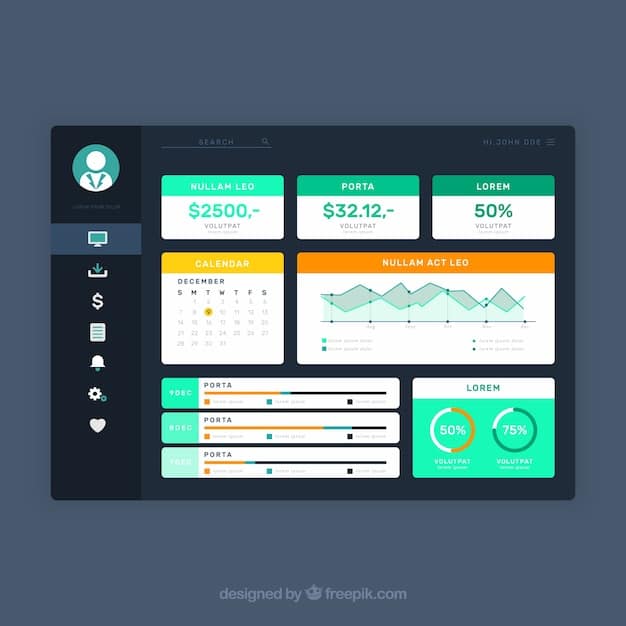
    A screenshot of the Microsoft Dynamics 365 Sales AI interface, showing its user-friendly dashboard with key performance indicators (KPIs), lead management tools, and customer interaction tracking features.

    Dynamics 365 Sales AI Features

    Dynamics 365 Sales AI offers features such as relationship analytics, which helps sales teams understand the strength of their customer relationships, and predictive lead scoring, which prioritizes leads based on their likelihood to convert.

    How Dynamics 365 Sales AI Boosts Sales

    The platform helps sales teams identify and nurture promising leads, personalize customer interactions, and make data-driven decisions. These capabilities contribute to improved sales performance and increased revenue.

    Dynamics 365 Sales AI leverages AI to provide actionable insights and automate key sales processes. This enables sales reps to focus on building relationships and closing deals, ultimately driving revenue growth.

    Platform 3: HubSpot Sales Hub AI

    HubSpot Sales Hub AI is an AI-powered sales platform designed to streamline the sales process and improve customer engagement. It offers features such as conversational intelligence and predictive lead scoring.

    Key Features of HubSpot Sales Hub AI

    HubSpot Sales Hub AI provides features such as conversational intelligence, which analyzes sales calls to provide insights into customer sentiment and sales rep performance, and predictive lead scoring, which prioritizes leads based on their likelihood to convert.

    Leveraging HubSpot Sales Hub AI for Growth

    By providing actionable insights and automating routine tasks, HubSpot Sales Hub AI enables sales teams to make more informed decisions and spend more time engaging with customers. This leads to increased conversion rates and higher revenue.

    • Conversational Intelligence: Analyzes sales calls to provide insights into customer sentiment and sales rep performance.
    • Predictive Lead Scoring: Prioritizes leads based on their likelihood to convert, allowing sales reps to focus on the most promising opportunities.
    • Automated Tasks: Automates routine tasks, such as data entry and follow-up emails, freeing up sales reps to focus on building relationships.
    • Customizable Reports: Provides customizable reports that track key performance indicators (KPIs) and provide insights into sales performance.

    HubSpot Sales Hub AI is a versatile and effective solution for businesses looking to leverage AI to improve their sales performance. Its comprehensive feature set and user-friendly interface make it a valuable asset for sales teams.

    Comparing Features and Capabilities

    A detailed comparison of the top three platforms reveals their strengths and weaknesses, helping businesses make informed decisions about which solution is best suited for their needs. Each platform offers a unique set of features and capabilities.

    Feature Overlap and Differentiation

    While there is some overlap in the features offered by the three platforms, each also has unique capabilities that set it apart. For example, Salesforce Einstein’s integration with the Salesforce CRM provides seamless data flow, while Microsoft Dynamics 365 Sales AI’s relationship analytics offer valuable insights into customer interactions.

    Pricing and Implementation Considerations

    Pricing is another important factor to consider when choosing an AI-powered sales platform. Each platform has its own pricing structure, and businesses should evaluate the total cost of ownership, including implementation, training, and ongoing support.

    Making the Right Choice for Your Business

    Selecting the right AI-powered sales tool requires careful consideration of your business needs, budget, and technical capabilities. Each platform offers unique advantages, and the best choice will depend on your specific requirements.

    Assessing Your Business Needs

    Before making a decision, take the time to assess your business needs and identify the key challenges you are trying to solve. This will help you narrow down your options and choose a platform that aligns with your goals.

    Considering Integration and Scalability

    Integration with your existing CRM and other business systems is another important factor to consider. The platform should seamlessly integrate with your current infrastructure and be scalable to accommodate future growth.

    Choosing the right AI-powered sales tool is a strategic decision that can have a significant impact on your business performance. By carefully evaluating your options and considering your specific needs, you can make an informed decision that drives revenue growth and improves customer engagement.

    Key Feature Brief Description
    💡 Lead Scoring Prioritizes leads based on conversion likelihood.
    📈 Sales Forecasting Predicts future sales trends with AI.
    💬 Conversational Intelligence Analyzes sales calls for actionable insights.
    🤝 Relationship Analytics Measures and improves customer relationship strength.


    What are AI-powered sales tools?

    AI-powered sales tools leverage artificial intelligence technologies to automate tasks, analyze data, and provide insights that enhance sales processes and improve performance.

    How do AI sales tools improve lead generation?

    AI sales tools improve lead generation by identifying and prioritizing promising leads based on data-driven insights, ensuring sales teams focus on the most likely prospects.

    What is lead scoring in AI sales platforms?

    Lead scoring is a feature in AI sales platforms that automatically ranks leads based on their likelihood to convert, helping sales reps prioritize their efforts effectively.

    Can AI sales tools personalize customer interactions?

    Yes, AI sales tools personalize customer interactions by analyzing customer data and providing insights that enable sales reps to tailor their communication to individual needs and preferences.

    How accurate are sales forecasts generated by AI?

    Sales forecasts generated by AI are generally more accurate than traditional methods, as they leverage historical data and market trends to provide data-driven predictions.

    Conclusion

    In conclusion, AI-powered sales tools: A comparison of the top 3 platforms for 2025 are poised to revolutionize the sales industry. By understanding the unique features and capabilities of each platform, businesses can make informed decisions that drive revenue growth and improve customer engagement.


  • AI for Sales: Predict & Prevent Customer Churn 6 Months Ahead

    AI for Sales: Predict & Prevent Customer Churn 6 Months Ahead

    AI for Sales empowers businesses to proactively identify and address customer churn risks up to six months in advance, enabling targeted interventions and strategies to retain valuable customers.

    Is customer attrition looming over your sales performance? Discover how AI for Sales: Identify and Address Customer Churn Risks 6 Months in Advance transforms reactive firefighting into proactive retention, securing your revenue streams.

    Understanding Customer Churn and Its Impact

    Customer churn, the rate at which customers stop doing business with a company, is a critical metric for any sales organization. High churn rates can significantly impact revenue, profitability, and overall business growth.

    Churn isn’t just about losing customers; it’s about the lost opportunities, resources spent on acquisition, and the potential damage to brand reputation. Recognizing these ramifications is the first step in mitigating the risk.

    The Financial Implications of Customer Churn

    The financial impact of customer churn extends far beyond the immediate loss of revenue. Acquiring new customers is often more expensive than retaining existing ones, making customer retention a cost-effective strategy.

    The Ripple Effect on Sales Performance

    High churn rates can demoralize sales teams, increase pressure to acquire new customers, and divert resources away from strategic growth initiatives. Addressing churn proactively can create a more stable and productive sales environment.

    A graph illustrating the cost difference between acquiring new customers and retaining existing customers. The graph shows a significant cost advantage in retaining customers, highlighting the ROI of churn prevention strategies.

    Understanding the impact of customer churn is essential for developing effective strategies to mitigate it. By leveraging AI, sales teams can gain valuable insights into customer behavior and predict churn risks with greater accuracy.

    Leveraging AI to Predict Customer Churn

    Artificial intelligence (AI) offers powerful tools for predicting customer churn by analyzing vast amounts of data to identify patterns and indicators that may be invisible to the human eye.

    AI algorithms can process and interpret data from various sources, including CRM systems, marketing automation platforms, customer service interactions, and even social media, to create a comprehensive picture of customer behavior.

    • Data Collection and Integration: AI can gather and unify data from multiple sources to create a holistic view of the customer.
    • Behavioral Analysis: AI algorithms identify patterns and anomalies in customer behavior that may indicate churn risk.
    • Predictive Modeling: AI uses machine learning models to forecast which customers are most likely to churn in the future.

    By leveraging AI to predict customer churn, sales teams can proactively intervene and implement targeted retention strategies, improving customer loyalty and reducing revenue losses.

    Identifying Key Churn Predictors with AI

    AI algorithms can pinpoint specific factors that contribute to customer churn, enabling sales teams to focus their efforts on addressing the root causes of attrition. These key churn predictors can vary depending on the industry, business model, and customer base.

    Analyzing these churn predictors empowers sales teams to develop targeted interventions and personalized strategies to address specific customer needs and concerns.

    Usage Patterns and Engagement Levels

    AI can analyze usage patterns to identify customers who are becoming less active or engaged with the product or service. Declining usage rates, infrequent logins, and reduced feature adoption can all be early warning signs of churn.

    Customer Sentiment Analysis

    AI can analyze customer feedback from surveys, reviews, and social media to gauge customer sentiment and identify negative trends. AI-powered sentiment analysis can detect dissatisfaction and frustration, providing valuable insights for proactive intervention.

    A dashboard displaying AI-powered churn prediction scores for individual customers, alongside key risk factors and recommended actions for sales representatives.

    Identifying key churn predictors with AI provides sales teams with the insights they need to address potential issues before they escalate, improving customer satisfaction and reducing the risk of churn.

    Implementing Proactive Churn Prevention Strategies

    With a clear understanding of churn predictors, sales teams can implement proactive strategies to prevent customer attrition and improve customer retention.

    Proactive churn prevention involves engaging with at-risk customers, addressing their concerns, and providing them with the support and resources they need to succeed.

    • Personalized Communication: AI can personalize communication based on customer behavior and preferences.
    • Targeted Interventions: Offer customized solutions to address specific churn predictors.
    • Value Demonstration: Reinforce the value proposition and benefits of the product or service.

    By implementing proactive churn prevention strategies, sales teams can build stronger relationships with customers, increase customer loyalty, and reduce the risk of churn.

    Measuring the Success of AI-Driven Churn Reduction Efforts

    To ensure that AI-driven churn reduction efforts are effective, it’s essential to track key metrics and measure the impact of implemented strategies.

    Regularly monitoring these metrics enables sales teams to fine-tune their approach, optimize their strategies, and demonstrate the value of AI-driven churn reduction efforts.

    Key Performance Indicators (KPIs) for Churn Reduction

    Track metrics such as churn rate, customer lifetime value (LTV), and customer acquisition cost (CAC) to assess the overall impact of churn reduction efforts. A decrease in churn rate and an increase in LTV indicate that the strategies are working effectively.

    Analyzing the Impact on Sales Revenue

    Assess the impact of churn reduction efforts on sales revenue by comparing revenue generated from retained customers to the cost of implementing churn prevention strategies. This analysis will demonstrate the ROI of AI-driven churn reduction.

    By measuring the success of AI-driven churn reduction efforts, sales teams can optimize their strategies, improve customer retention, and drive sustainable revenue growth.

    Best Practices for AI-Powered Sales Churn Management

    To maximize the effectiveness of AI-powered sales churn management, it’s crucial to follow best practices and ensure that the implementation is aligned with business goals.

    These best practices will help organizations leverage the full potential of AI to reduce customer churn and improve sales performance.

    • Data Quality and Governance: Ensure data accuracy, completeness, and consistency.
    • Ethical Considerations: Use AI responsibly and transparently.
    • Continuous Improvement: Regularly evaluate and refine AI models and strategies.

    By following these best practices, sales teams can harness the power of AI to effectively manage customer churn, improve customer retention, and drive sustainable business growth.

    Key Point Brief Description
    🔍Predict Churn Use AI to identify at-risk customers up to 6 months in advance.
    📊Analyze Predictors Determine key factors contributing to customer churn with AI analytics.
    🎯Proactive Strategies Implement personalized interventions to retain valuable customers.
    📈Measure Success Track KPIs to evaluate and optimize churn reduction efforts.

    FAQ

    How accurate is AI in predicting customer churn?

    AI’s accuracy varies, but models trained on comprehensive data can achieve high precision in identifying churn risks, providing actionable insights for sales teams.

    What types of data are most useful for AI churn prediction?

    Key data includes usage metrics, customer interactions, purchase history, and sentiment analysis, offering a holistic view of customer behavior and potential churn indicators.

    How can AI personalize churn prevention strategies?

    AI analyzes individual customer data to tailor communication, offers, and support, addressing specific needs and concerns, thereby increasing customer engagement and retention.

    What are the ethical considerations in using AI for churn management?

    Ethical use involves transparency, data privacy, and fairness, ensuring AI models are unbiased and used to enhance customer experience without being intrusive or discriminatory.

    How often should AI models for churn prediction be updated?

    AI models should be updated regularly, at least quarterly, to incorporate new data, trends, and customer behaviors, maintaining accuracy and effectiveness in predicting churn risks.

    Conclusion

    By leveraging AI for sales, businesses can proactively identify and address customer churn risks up to six months in advance, enabling them to implement targeted interventions and strategies that boost customer retention and secure long-term revenue growth.

  • AI for Sales: Staying Compliant with AI in US Sales Practices

    AI for Sales: Staying Compliant with AI in US Sales Practices

    Staying compliant in sales using AI involves implementing ethical guidelines, adhering to legal standards like TCPA and GDPR, and continuously monitoring AI’s performance to ensure fairness and accuracy in customer interactions within the US.

    In today’s rapidly evolving sales landscape, staying compliant: using AI to ensure ethical and legal sales practices in the US is not just a best practice, it’s a necessity. As artificial intelligence becomes more integrated into sales processes, businesses face new challenges in maintaining ethical standards and adhering to legal regulations.

    The Rise of AI in Sales and the Compliance Challenge

    The integration of artificial intelligence (AI) into sales operations has revolutionized how businesses engage with customers, streamline processes, and drive revenue. However, this technological advancement also brings forth significant compliance challenges. As AI systems make decisions that directly impact sales strategies, it is crucial to understand and navigate the ethical and legal implications that arise.

    AI’s ability to analyze vast amounts of data, automate tasks, and personalize customer interactions has led to increased efficiency and effectiveness in sales processes. However, AI algorithms can inadvertently perpetuate biases, violate data privacy regulations, and engage in deceptive practices if not properly monitored and managed. Therefore, organizations must proactively address these compliance challenges to ensure that their AI-driven sales practices align with ethical principles and legal requirements.

    A detailed close-up of an AI algorithm interface, showcasing various ethical parameters and legal compliance settings. The graphic highlights the importance of configuring AI systems to adhere to ethical guidelines and regulatory standards.

    Understanding the importance of compliance when using AI in sales is paramount. Failure to comply with relevant laws and ethical standards can lead to severe consequences, including legal penalties, reputational damage, and loss of customer trust. By prioritizing compliance, businesses can build a sustainable and responsible sales ecosystem that benefits both the organization and its customers.

    Key Legal Frameworks Governing AI in Sales in the US

    Several key legal frameworks govern the use of AI in sales within the United States. These regulations are designed to protect consumers, ensure fair business practices, and prevent misuse of personal data. Understanding these frameworks is essential for businesses adopting AI in their sales processes.

    Among the most critical laws are the Telephone Consumer Protection Act (TCPA) and various state-level privacy laws. The TCPA regulates telemarketing calls, text messages, and fax communications, requiring businesses to obtain prior express consent before contacting consumers. AI-powered sales tools must adhere to these requirements to avoid legal penalties.

    Telephone Consumer Protection Act (TCPA)

    The TCPA is a federal law that restricts telemarketing communications and provides consumer protections against unwanted calls and texts. It requires businesses to obtain prior express consent before making automated calls or sending text messages to consumers. Failure to comply with the TCPA can result in significant fines per violation.

    State Privacy Laws

    In addition to federal laws, various state privacy laws, such as the California Consumer Privacy Act (CCPA) and the Virginia Consumer Data Protection Act (CDPA), impose strict requirements on the collection, use, and sharing of personal data. These laws grant consumers rights such as the right to access, correct, and delete their personal information. Businesses must ensure that their AI-powered sales tools comply with these state laws to protect consumer privacy rights.

    Complying with these legal frameworks requires careful implementation of AI systems, ongoing monitoring, and adherence to best practices in data privacy and security. Businesses must also provide clear and transparent disclosures to consumers about how their data is being collected, used, and protected.

    Ethical Considerations for AI in Sales

    Beyond legal compliance, ethical considerations play a vital role in responsible AI implementation in sales. Ethical AI ensures that sales practices are fair, transparent, and respectful of consumer rights. By prioritizing ethical considerations, businesses can build trust with customers and establish a positive reputation.

    One of the key ethical concerns is algorithmic bias. AI algorithms can inadvertently perpetuate biases present in the data they are trained on. This can lead to discriminatory practices, where certain groups of consumers are unfairly targeted or excluded. To mitigate this risk, businesses must carefully evaluate their data, monitor their algorithms for bias, and take corrective action when necessary.

    A graphic illustrating fairness and transparency in AI, depicting diverse individuals receiving equal opportunities and treatment. The image symbolizes the ethical use of AI in sales, promoting trust and inclusivity.

    • Transparency: Ensuring that consumers understand how AI is being used in sales interactions.
    • Fairness: Avoiding bias and discrimination in AI algorithms and decision-making processes.
    • Accountability: Establishing clear lines of responsibility for the actions of AI systems.
    • Privacy: Protecting consumer data and respecting privacy rights.

    By addressing these ethical considerations, businesses can ensure that their AI-driven sales practices are aligned with societal values and contribute to a more equitable and trustworthy marketplace.

    Implementing AI Compliance Programs in Sales

    Implementing effective AI compliance programs is essential for businesses seeking to leverage AI in sales while mitigating legal and ethical risks. These programs should include policies, procedures, and training initiatives designed to ensure that AI systems are used responsibly and ethically.

    An AI compliance program should begin with a comprehensive risk assessment. This involves identifying potential legal and ethical risks associated with AI applications in sales. Once these risks have been identified, businesses can develop policies and procedures to address them.

    Training is a critical component of an AI compliance program. Sales teams and other employees who interact with AI systems should receive training on ethical AI principles, legal requirements, and best practices for responsible AI implementation. This training should cover topics such as data privacy, algorithmic bias, and transparency.

    Key Components of an AI Compliance Program

    • Risk Assessment: Identifying potential legal and ethical risks associated with AI in sales.
    • Policy Development: Creating policies and procedures to address identified risks.
    • Training and Education: Providing employees with training on ethical AI principles and legal requirements.
    • Monitoring and Auditing: Regularly monitoring AI systems for compliance and conducting audits to identify potential issues.

    By establishing robust AI compliance programs, businesses can demonstrate their commitment to responsible AI adoption and build trust with customers.

    Best Practices for Using AI Ethically and Legally in Sales

    To effectively navigate the ethical and legal landscape of AI in sales, businesses should adopt best practices that promote transparency, fairness, and accountability. These practices involve careful planning, implementation, and ongoing monitoring of AI systems.

    One of the most important best practices is to prioritize data privacy. Businesses should implement robust data security measures to protect consumer data from unauthorized access and misuse. They should also obtain explicit consent from consumers before collecting and using their personal information.

    Obtain Explicit Consent

    Obtaining explicit consent from consumers before collecting and using their personal information is a fundamental best practice. This involves providing clear and transparent disclosures about how data will be used and obtaining affirmative consent from consumers before proceeding. Consent should be freely given, specific, informed, and unambiguous.

    Regularly Monitor AI Systems for Bias

    AI algorithms can inadvertently perpetuate biases present in the data they are trained on. To mitigate this risk, businesses should regularly monitor their AI systems for bias. This involves analyzing the outputs of AI algorithms to identify potential disparities in treatment across different groups of consumers. If bias is detected, corrective action should be taken to address it.

    By following these best practices, businesses can ensure that their AI-driven sales practices are ethical, legal, and aligned with consumer expectations.

    The Future of AI Compliance in Sales

    As AI technology continues to evolve, the future of AI compliance in sales will likely involve more sophisticated regulations, advanced monitoring techniques, and greater emphasis on ethical considerations. Businesses must stay informed about these developments and adapt their compliance programs accordingly.

    One emerging trend is the use of AI to monitor AI. AI-powered compliance tools can automatically detect and flag potential violations of legal and ethical standards, providing businesses with real-time insights into the performance of their AI systems. These tools can also help businesses identify and address algorithmic bias, data privacy issues, and other compliance risks.

    Another trend is the increasing importance of ethical frameworks and guidelines for AI. Organizations such as the IEEE and the Partnership on AI are developing ethical standards that businesses can use to guide their AI development and deployment. By adopting these frameworks, businesses can demonstrate their commitment to responsible AI innovation and build trust with stakeholders.

    • AI-Powered Compliance Tools: Using AI to monitor AI for potential violations of legal and ethical standards.
    • Ethical Frameworks and Guidelines: Adopting ethical standards developed by organizations such as IEEE and Partnership on AI.
    • Industry Collaboration: Collaborating with industry peers to share best practices and develop common standards for AI compliance.

    By staying ahead of these trends and embracing innovation in AI compliance, businesses can position themselves for success in the rapidly evolving world of AI in sales.

    Conclusion

    In conclusion, staying compliant: using AI to ensure ethical and legal sales practices in the US requires a multifaceted approach that combines legal expertise, ethical considerations, and technological innovation. By understanding the key legal frameworks, addressing ethical concerns, implementing robust compliance programs, and adopting best practices, businesses can leverage AI to drive sales growth while upholding the highest standards of integrity and responsibility. As AI technology continues to advance, ongoing vigilance and adaptation will be essential for maintaining compliance and building trust with customers in the dynamic sales environment.

    Key Point Brief Description
    ⚖️ Legal Frameworks Comply with TCPA and state privacy laws like CCPA and CDPA.
    🤖 Ethical AI Ensure fairness, transparency, and accountability in AI applications.
    🛡️ Compliance Programs Implement policies, training, and monitoring for responsible AI use.
    ✔️ Best Practices Prioritize data privacy, consent, and bias monitoring.

    FAQ

    What is the TCPA and how does it affect AI in sales?

    The Telephone Consumer Protection Act (TCPA) restricts telemarketing calls and texts without prior consent. AI tools used for automated outreach must adhere to TCPA rules to avoid legal penalties, acquiring explicit consent before contacting consumers.

    How can businesses ensure AI algorithms are free from bias?

    Businesses should regularly monitor AI systems for bias by analyzing outputs for disparities across consumer groups. They should also carefully evaluate and clean the data used to train AI models, addressing any identified biases promptly.

    What are the key components of an effective AI compliance program?

    Key components include a comprehensive risk assessment, policy development, employee training on ethical AI, and continuous monitoring and auditing of AI systems. These steps help ensure ongoing compliance and ethical AI usage.

    What is the role of data privacy in AI-driven sales practices?

    Data privacy is crucial. Businesses must implement strong security to protect consumer data from unauthorized access and misuse. They should also obtain explicit consent before collecting or using personal information for sales activities.

    How is ethical AI different from legal AI compliance?

    Legal AI compliance focuses on adhering to laws and regulations like TCPA and CCPA. Ethical AI goes beyond legal requirements, emphasizing fairness, transparency, and accountability in AI’s applications, ensuring moral and responsible innovation.

    Conclusion

    In conclusion, embracing AI in sales offers immense potential, but it necessitates a strategic approach that prioritizes both legal adherence and ethical considerations. By staying informed, implementing robust compliance measures, and fostering a culture of responsibility, businesses can harness the full power of AI while safeguarding consumer rights and building lasting trust.

  • Maximize Your Marketing Budget: AI Solutions for Cost Optimization

    Maximize Your Marketing Budget: AI Solutions for Cost Optimization

    Maximize Your Marketing Budget: AI-Powered Solutions for Cost Optimization explores how artificial intelligence tools can significantly reduce marketing expenses by automating tasks, enhancing targeting, and improving overall efficiency, leading to a greater return on investment.

    Are you looking to stretch your marketing dollars further? In today’s competitive landscape, maximize your marketing budget: AI-powered solutions for cost optimization is no longer a luxury but a necessity for businesses seeking growth and efficiency. Discover how AI can revolutionize your marketing strategies, reduce costs, and drive better results.

    Understanding the landscape of marketing budget challenges

    Every marketing team faces the challenge of making the most of their budget. Traditional marketing methods can be expensive and often lack the precision needed to reach the right audience. This section delves into the common pitfalls of traditional marketing and the urgent need for more cost-effective strategies.

    The inefficiencies of traditional marketing

    Traditional marketing often involves broad campaigns with limited targeting capabilities. This can lead to wasted ad spend and lower conversion rates. Understanding these inefficiencies is the first step toward adopting more effective solutions.

    Rising costs and shrinking RoI

    The cost of marketing is constantly increasing, while the return on investment is often declining. Factors such as increased competition, ad clutter, and changing consumer behavior all contribute to this challenge. AI offers a way to cut through the noise and improve RoI.

    • Lack of precision: Traditional methods struggle to target specific customer segments effectively.
    • High ad spend: Broad campaigns result in significant wasted ad spend.
    • Difficulty in measuring results: It’s challenging to accurately measure the effectiveness of traditional marketing efforts.
    • Slow adaptation: Traditional methods are often slow to adapt to changing market conditions.

    In conclusion, understanding the limitations of traditional marketing is crucial for recognizing the potential benefits of AI-powered solutions. By addressing these inefficiencies, businesses can unlock more value from their marketing budgets.

    AI-powered solutions for budget optimization

    AI offers a range of tools and techniques that can optimize every aspect of your marketing budget. From automating repetitive tasks to enhancing targeting and personalizing customer experiences, AI can help you get more bang for your buck. Here are a few of the ways how you can maximize your marketing budget: AI-powered solutions for cost optimization:

    A graphic showing a funnel with data flowing through it. As the data passes through AI filters, the output at the bottom shows a higher concentration of qualified leads and reduced waste.

    Automated ad bidding

    AI-powered ad bidding tools can automatically adjust your bids based on real-time data, ensuring you’re always getting the best possible price for your ads. This can significantly reduce your ad spend while improving your campaign performance.

    Predictive analytics for better targeting

    Predictive analytics uses machine learning algorithms to analyze customer data and identify the most promising leads. This allows you to focus your marketing efforts on the audience most likely to convert, reducing wasted ad spend and improving RoI.

    • Chatbots for customer service: AI-powered chatbots can handle routine customer inquiries, freeing up your human agents to focus on more complex issues.
    • Content creation tools: AI can assist in creating high-quality content, reducing the need for expensive copywriting services.
    • Social media management: AI tools can automate social media posting, scheduling, and engagement, saving time and resources.
    • Email marketing optimization: AI can analyze email data to optimize send times, subject lines, and content, improving open rates and click-through rates.

    By leveraging AI-powered solutions, marketing teams can streamline their operations, reduce costs, and improve the overall effectiveness of their campaigns. From ad bidding to content creation, AI offers a wide range of tools to optimize every aspect of your marketing budget.

    Case studies: real-world examples of AI-driven cost savings

    To illustrate the power of AI in marketing budget optimization, let’s examine some real-world case studies. These examples demonstrate how businesses across various industries have successfully implemented AI solutions to reduce costs and improve RoI. It’s one way to maximize your marketing budget: AI-powered solutions for cost optimization:

    E-commerce success with personalized recommendations

    An e-commerce company implemented an AI-powered recommendation engine to personalize product suggestions for its customers. This resulted in a significant increase in sales and a reduction in ad spend, as the company was able to target its marketing efforts more effectively.

    Healthcare lead generation improvement

    A healthcare provider used AI to analyze patient data and identify individuals at high risk for certain conditions. This allowed the provider to target its marketing efforts more effectively, resulting in a significant increase in lead generation and a reduction in marketing costs.

    A graph showing a comparison between marketing costs before and after implementing AI, clearly illustrating the cost savings.

    • Financial services: An AI-powered chatbot helped a financial services company reduce customer service costs by 30%.
    • Retail: AI-driven predictive analytics enabled a retail chain to optimize its inventory management, reducing waste and improving profitability.

    These case studies demonstrate the transformative power of AI in marketing budget optimization. By leveraging AI solutions, businesses can achieve significant cost savings and improve their overall marketing performance. It’s clear that AI is not just a buzzword, but a powerful tool for driving real results.

    Implementing AI in your marketing strategy

    Implementing AI in your marketing strategy doesn’t have to be a daunting task. By taking a strategic approach and starting with small, manageable projects, you can gradually integrate AI into your marketing operations and begin to reap the benefits of cost optimization. Thinking on how to maximize your marketing budget: AI-powered solutions for cost optimization, you should follow this steps:

    Identifying areas for AI transformation

    Start by identifying areas in your marketing strategy where AI can have the biggest impact. This could be anything from automating ad bidding to personalizing customer experiences. Focus on areas where you’re currently experiencing inefficiencies or high costs.

    Choosing the right AI tools

    There are many AI tools available on the market, so it’s important to choose the ones that are best suited for your specific needs. Consider factors such as your budget, technical expertise, and the specific challenges you’re trying to address.

    • Start small: Begin with small, manageable projects to test the waters and build confidence.
    • Provide training: Ensure your team has the necessary skills and knowledge to use AI tools effectively.
    • Monitor results: Continuously track and measure the performance of your AI initiatives to identify areas for improvement.
    • Iterate and optimize: Use the insights gained from your results to refine your AI strategies and achieve better outcomes.

    Implementing AI in your marketing strategy is a journey, not a destination. By taking a strategic approach and continuously learning and adapting, you can unlock the full potential of AI and achieve significant cost savings and improved RoI.

    Overcoming challenges in AI adoption

    While AI offers tremendous potential for marketing budget optimization, there are also challenges to consider. Addressing these challenges proactively is essential for ensuring a successful AI adoption. It can easily help to maximize your marketing budget: AI-powered solutions for cost optimization, and these are common obstacles:

    Data privacy and security concerns

    AI relies on data, so it’s important to address data privacy and security concerns. Ensure you comply with all relevant regulations and implement robust security measures to protect your customer data.

    Lack of AI talent and expertise

    AI requires specialized skills and knowledge, so it’s important to invest in training and development to build your internal AI capabilities. Consider partnering with AI experts to complement your existing team.

    • Focus on ethics: Ensure your AI initiatives align with ethical principles and values.
    • Build trust: Be transparent with your customers about how you’re using AI and how it benefits them.
    • Address bias: Take steps to mitigate bias in your AI algorithms and data.
    • Foster collaboration: Encourage collaboration between different teams to ensure a holistic approach to AI adoption.

    Overcoming challenges in AI adoption requires a proactive and strategic approach. By addressing concerns related to data privacy, talent, and ethics, businesses can unlock the full potential of AI and achieve sustainable success in marketing budget optimization.

    The future of AI in marketing: trends and predictions

    As AI technology continues to evolve, its impact on marketing will only grow stronger. Staying informed about the latest trends and predictions is essential for preparing your marketing strategy for the future and maximize your marketing budget: AI-powered solutions for cost optimization:

    Increasing personalization and customer experience

    AI will enable even more personalized and immersive customer experiences. From dynamic content to individualized product recommendations, AI will empower marketers to create truly tailored interactions with their audience.

    More sophisticated AI-driven automation

    AI-driven automation will become even more sophisticated, taking on more complex tasks and freeing up marketers to focus on strategic initiatives. This will lead to greater efficiency and cost savings.

    • AI-powered creativity: AI will assist in generating innovative marketing ideas and content.
    • Predictive marketing: AI will enable marketers to anticipate customer needs and behaviors.
    • AI-driven attribution: AI will provide more accurate insights into the effectiveness of different marketing channels.
    • Ethical AI: There will be a growing emphasis on responsible and ethical use of AI in marketing.

    The future of AI in marketing is bright. By staying informed about the latest trends and predictions, businesses can prepare their marketing strategies for the future and unlock new opportunities for growth, efficiency, and customer engagement.

    Key Point Brief Description
    🤖 AI Automation Reduces manual tasks, saving time and money.
    🎯 Predictive Analytics Improves targeting for efficient ad spending.
    💰 Cost Savings AI streamlines processes, cutting marketing costs.
    📈 Improved RoI Better targeting and automation boost marketing RoI.

    Frequently Asked Questions (FAQ)

    How does AI automate ad bidding?

    AI-powered tools automatically analyze real-time data to adjust bids, ensuring you get the best price for your ads. This reduces ad spend and improves campaign performance.

    What are predictive analytics in marketing?

    Predictive analytics uses machine learning to analyze customer data, identifying promising leads. This allows focused marketing efforts, reduced waste, and improved RoI.

    Can chatbots really reduce customer service costs?

    Yes, AI chatbots handle routine inquiries, freeing human agents for complex issues. This leads to significant cost savings and improved customer service efficiency.

    How can AI assist in content creation?

    AI tools help create high-quality content, reducing the need for expensive copywriting. They can assist in generating ideas, writing drafts, and optimizing existing content.

    What are the main challenges in AI adoption for marketing?

    Challenges include data privacy concerns, lack of AI talent, and ethical considerations. Addressing these proactively ensures successful AI integration and maximizes benefits.

    Conclusion

    In conclusion, leveraging AI-powered solutions is crucial for optimizing marketing budgets and achieving better results. By automating tasks, enhancing targeting, and personalizing customer experiences, AI can help businesses reduce costs, improve RoI, and stay ahead in today’s competitive landscape.

  • Future-Proof Sales: AI Trends & Predictions for 2025

    Future-Proof Sales: AI Trends & Predictions for 2025

    Future-proofing your sales strategy involves embracing the latest AI trends and predictions for 2025, including personalized customer experiences, predictive analytics, and automated sales processes, to enhance efficiency and drive revenue growth.

    Navigating the evolving landscape of sales requires a keen understanding of emerging technologies. As we look towards 2025, Artificial Intelligence (AI) is set to revolutionize sales strategies. Let’s explore how to future-proof your sales strategy by examining the latest AI trends and predictions for 2025.

    Understanding the AI Revolution in Sales

    Artificial Intelligence is no longer a futuristic concept; it’s a present-day reality that’s reshaping the sales industry. Understanding its impact is crucial for any business aiming to stay competitive.

    The current Impact of AI on Sales

    AI is already making waves in sales by automating tasks, improving lead generation, and personalizing customer interactions. Tools like chatbots, CRM systems with AI capabilities, and predictive analytics software are becoming indispensable.

    • Automation of Repetitive Tasks: AI handles routine tasks such as data entry, scheduling follow-ups, and sending out initial emails, freeing up sales reps to focus on more complex and strategic activities.
    • Enhanced Lead Generation: AI algorithms analyze vast amounts of data to identify high-potential leads, allowing sales teams to prioritize their efforts more effectively.
    • Personalized Customer Interactions: AI enables personalized communication by analyzing customer data to tailor messages and offers, improving engagement and conversion rates.

    The integration of AI into sales processes translates into increased efficiency, reduced costs, and improved customer satisfaction. By leveraging AI, sales teams can achieve higher productivity and drive revenue growth.

    A sales dashboard with AI analytics, showcasing lead scoring, predictive forecasting, and personalized customer insights.

    Why Future-Proofing is Essential

    The rapid advancement of AI technology means that sales strategies need to be constantly updated. Future-proofing your approach ensures that you remain adaptable and ahead of the curve. Here’s why it is critical:

    • Staying Competitive: Businesses that adopt AI early gain a competitive edge by optimizing their sales processes and delivering superior customer experiences.
    • Adapting to Changing Customer Expectations: AI helps you understand and meet evolving customer needs and preferences, ensuring continued relevance and customer loyalty.
    • Maximizing ROI: Investing in AI-driven sales strategies can lead to significant returns by improving efficiency, boosting sales, and reducing operational costs.

    Embracing AI in sales is not just about adopting new tools; it’s about fundamentally changing the way sales teams operate. Future-proofing your sales strategy is about ensuring that your organization is ready to adapt to the inevitable changes that AI will bring.

    In conclusion, understanding the AI revolution is about more than adopting new tools. It’s about fundamentally changing how sales teams operate, ensuring your organization is prepared and competitive for the future.

    Key AI Trends Shaping Sales in 2025

    Looking ahead to 2025, several key AI trends are poised to significantly impact sales. Understanding these trends is essential for businesses planning their future strategies.

    Predictive Analytics for Proactive Sales

    Predictive analytics uses AI to forecast future sales outcomes based on historical data. This allows sales teams to anticipate customer needs and proactively address potential issues.

    • Identifying High-Value Opportunities: Predictive analytics can identify which leads are most likely to convert, allowing sales teams to focus on the most promising opportunities.
    • Forecasting Sales Performance: By analyzing past performance, AI can predict future sales trends, helping businesses to set realistic targets and allocate resources effectively.
    • Mitigating Potential Risks: Predictive models can identify potential risks, such as customer churn, enabling sales teams to take proactive measures to retain valuable clients.

    With predictive analytics, sales teams can transition from reactive to proactive, anticipating customer needs and optimizing their sales efforts for maximum impact.

    AI-Powered Personalization at Scale

    Personalization is becoming increasingly important in sales. AI enables businesses to deliver personalized experiences at scale, enhancing customer engagement and driving conversions.

    A graphic of a customer journey being personalized by AI, with different touchpoints tailored to individual preferences.

    • Dynamic Content Customization: AI can customize website content, email messages, and product recommendations based on individual customer preferences.
    • Personalized Product Recommendations: AI algorithms analyze customer behavior to suggest products that are most likely to appeal to individual buyers.
    • Tailored Customer Journeys: AI enables the creation of personalized customer journeys that adapt in real-time based on customer interactions and feedback.

    AI-powered personalization goes beyond basic demographic data, leveraging deep insights into customer behavior to create truly tailored experiences that drive engagement and loyalty.

    In conclusion, staying informed about AI trends like predictive analytics and personalized customer experiences enables businesses to adapt and optimize their approaches effectively.

    Implementing AI in Your Sales Strategy

    Implementing AI into your sales strategy requires a thoughtful approach. It’s about integrating AI tools and techniques into existing processes to enhance efficiency and effectiveness.

    Assessing Your Current Sales Processes

    Before implementing AI, it’s crucial to assess your current sales processes to identify areas where AI can have the most significant impact. Start by evaluating the following:

    • Data Analysis: Evaluate the quality and availability of your sales data. AI thrives on data, so ensuring you have accurate and comprehensive data is essential.
    • Workflow Mapping: Map out your current sales workflows to identify bottlenecks and inefficiencies that AI can help to eliminate.
    • Team Training: Assess the skill level of your sales team and identify training needs to ensure they can effectively use AI tools.

    By thoroughly assessing your current processes, you can strategically implement AI to address specific pain points and achieve measurable improvements.

    Choosing the Right AI Tools

    Selecting the right AI tools is critical for successful implementation. There’s a wide range of AI-powered solutions available, so it’s important to choose tools that align with your specific needs and goals.

    Prioritize tools that integrate seamlessly with your existing CRM system, such as AI-powered chatbots, predictive analytics platforms, and automated email marketing software, to streamline workflows and enhance productivity.

    Consider factors like scalability, ease of use, and vendor support when selecting AI tools. It’s also a good idea to start with a pilot program to test the effectiveness of a tool before rolling it out company-wide.

    Having the right tools enables your sales team to leverage AI effectively, unlocking new opportunities for growth and success.

    To conclude, successful AI implementation requires careful planning, assessment, and the selection of appropriate tools. This ensures AI complements and enhances existing capabilities.

    Overcoming Challenges in AI Adoption

    Adopting AI in sales is not without its challenges. Understanding these hurdles and having strategies to overcome them is key to successful integration.

    Data Privacy and Security Concerns

    Data privacy and security are paramount when using AI. Companies must adhere to regulations like GDPR and CCPA, ensuring customer data is protected.

    • Implementing Robust Security Measures: Use encryption, access controls, and regular security audits to protect sensitive data.
    • Ensuring Compliance with Regulations: Stay up-to-date with data privacy laws and implement policies that comply with these regulations.
    • Being Transparent with Customers: Clearly communicate how you collect, use, and protect customer data to build trust and maintain transparency.

    Addressing data privacy and security concerns proactively minimizes risk and builds customer trust, which is essential for long-term success with AI.

    Resistance to Change

    Resistance to change is a common challenge when introducing new technologies like AI. Sales teams may be hesitant to adopt AI tools, fearing they will replace human interaction.

    Ease concerns by emphasizing that AI tools augment, not replace, human capabilities. Provide comprehensive training and support to help your team understand how AI can make their jobs easier and more effective. Celebrate early successes to build confidence and encourage wider adoption.

    In summary, proactively addressing challenges like data privacy and resistance to change ensures smoother AI integration, fostering a culture of innovation and adaptability.

    Measuring the Success of AI in Sales

    Measuring the success of AI initiatives is crucial for demonstrating ROI and guiding future investments. Establishing clear metrics and tracking performance are essential.

    Key Performance Indicators (KPIs) to Track

    Define key performance indicators (KPIs) that reflect the impact of AI on your sales processes. Common KPIs include:

    • Conversion Rates: Track the percentage of leads that convert into sales to assess the effectiveness of AI-driven lead generation and personalization efforts.
    • Sales Cycle Length: Measure the time it takes to close a deal to determine if AI is accelerating the sales process.
    • Customer Satisfaction: Monitor customer satisfaction scores to evaluate the impact of AI on customer engagement and loyalty.
    • Revenue Growth: Assess overall revenue growth to quantify the financial impact of AI-driven sales strategies.

    Regularly monitoring these KPIs provides valuable insights into the performance of your AI initiatives, allowing you to make data-driven decisions and optimize your strategies for maximum impact.

    Analyzing AI Performance and Making Adjustments

    Analyzing AI performance is an ongoing process. Review your KPIs regularly and identify areas where AI is excelling or underperforming. Make adjustments to your strategies based on these insights.

    Use A/B testing to compare different AI approaches and identify the most effective tactics. Continuously refine your AI models and algorithms to improve accuracy and efficiency. Also encourage feedback from your sales team to identify practical improvements that can enhance their experience with AI tools.

    Through continuous analysis and adaptation, you’ll ensure your AI initiatives deliver sustained value and contribute to your long-term success.

    In conclusion, continually monitoring and adjusting AI strategies ensures ongoing optimization. Analyzing AI performance helps in making informed decisions and adapting techniques for better results.

    The Future of Sales with AI Beyond 2025

    Looking beyond 2025, AI will continue to transform sales in profound ways. Emerging trends and technologies promise to further enhance personalization, automation, and decision-making.

    The Rise of Hyper-Personalization

    Hyper-personalization takes personalization to the next level by leveraging real-time data and advanced AI algorithms to create highly tailored experiences. By analyzing data from various sources, including social media, online behavior, and customer interactions, AI can deliver hyper-personalized content, offers, and recommendations that resonate deeply with individual customers. This level of personalization can dramatically increase engagement, conversion rates, and customer loyalty, setting a new standard for customer-centric sales strategies.

    AI-Driven Autonomous Sales Processes

    AI is paving the way for autonomous sales processes, where AI systems handle end-to-end sales processes, from initial contact to closing the deal, with minimal human intervention. These autonomous systems can analyze customer behavior, identify high-potential leads, personalize interactions, negotiate terms, and even finalize sales transactions, all without direct human involvement. As AI technology advances, autonomous sales processes will become increasingly sophisticated, enabling businesses to streamline operations, reduce costs, and focus on strategic initiatives while AI manages routine sales tasks.

    In conclusion, AI is poised to create a future where autonomous processes dominate the sales force. Hyper-personalization will drive customer loyalty and sales, setting new benchmarks.

    Key Point Brief Description
    🤖 AI Automation Automates repetitive tasks, freeing up sales reps.
    📈 Predictive Analytics Forecasts sales outcomes for proactive strategies.
    🎯 Personalization Delivers personalized experiences at scale.
    🔒 Data Security Ensures compliance with privacy regulations.

    FAQ

    How is AI currently impacting sales strategies?

    AI is automating repetitive tasks, enhancing lead generation, and personalizing customer interactions. Tools like chatbots and AI-powered CRM systems are becoming essential for sales teams.

    What are the key AI trends to watch for in 2025?

    Predictive analytics for proactive sales, AI-powered personalization at scale, and the increasing use of AI in customer relationship management are crucial trends to monitor.

    How can businesses overcome challenges in AI adoption?

    Overcoming challenges involves addressing data privacy concerns, managing resistance to change through training, and ensuring compliance with relevant regulations for data security.

    What KPIs should be used to measure the success of AI in sales?

    Key performance indicators include conversion rates, sales cycle length, customer satisfaction, and overall revenue growth. These metrics provide insight into AI’s impact on sales.

    What does the future of sales with AI look like beyond 2025?

    The future includes hyper-personalization, AI-driven autonomous sales processes, and enhanced decision-making, leading to more efficient and customer-centric sales strategies.

    Conclusion

    As AI continues to evolve, future-proofing your sales strategy is crucial for sustained success. By understanding and implementing the latest AI trends, addressing challenges, and measuring performance, businesses can leverage AI to drive growth and stay ahead in the competitive sales landscape.

  • AI in Sales: Integrate AI with Your CRM for Maximum Impact

    AI in Sales: Integrate AI with Your CRM for Maximum Impact

    AI in Sales involves integrating artificial intelligence technologies with your existing CRM system to enhance sales processes, improve efficiency, and drive revenue growth by automating tasks, personalizing customer interactions, and providing valuable insights.

    Ready to revolutionize your sales process? Discover how to integrate AI with your existing CRM system for maximum impact, unlocking new levels of efficiency and revenue growth.

    Understanding the Power of AI in Sales

    Artificial intelligence is no longer a futuristic concept; it’s a present-day reality transforming various industries, including sales. The ability of AI to analyze vast amounts of data, automate repetitive tasks, and provide actionable insights is revolutionizing how sales teams operate.

    Integrating AI into your sales strategy can lead to significant improvements in efficiency, productivity, and ultimately, revenue. But what exactly makes AI so powerful in the realm of sales?

    Data-Driven Decision Making

    AI algorithms can process and analyze data from various sources, including CRM systems, social media, and marketing automation platforms. This allows sales teams to make informed decisions based on real-time insights rather than relying on intuition or guesswork.

    Automation of Repetitive Tasks

    Many sales tasks, such as data entry, lead qualification, and follow-up emails, are time-consuming and repetitive. AI can automate these tasks, freeing up sales representatives to focus on more strategic activities like building relationships and closing deals.

    A graphical representation of sales data being processed by AI algorithms, highlighting key insights and trends.

    Personalized Customer Interactions

    AI can analyze customer data to understand individual preferences, needs, and behaviors. This enables sales teams to personalize their interactions with prospects, delivering tailored messages and offers that resonate with each customer.

    • Improved Lead Scoring: Prioritize leads with the highest potential for conversion.
    • Enhanced Sales Forecasting: Predict future sales performance with greater accuracy.
    • Optimized Sales Strategies: Identify the most effective approaches for different customer segments.

    In conclusion, understanding the power of AI in sales is crucial for any business looking to stay competitive in today’s rapidly evolving market. By leveraging AI technologies, sales teams can enhance their decision-making, automate tasks, and personalize customer interactions, ultimately driving revenue growth and achieving greater success.

    Assessing Your Current CRM System

    Before diving into AI integration, it’s essential to evaluate your existing CRM system. The goal is to understand its capabilities, limitations, and how it aligns with your sales processes. A thorough assessment will help you identify the areas where AI can have the most significant impact.

    Think of your CRM system as the foundation upon which you’ll build your AI-powered sales strategy. Therefore, it needs to be solid, reliable, and capable of supporting the integration.

    Data Quality and Completeness

    AI algorithms rely on data to generate insights and automate tasks. If your CRM data is incomplete, inaccurate, or outdated, the AI will produce unreliable results. Ensure your CRM data is clean, consistent, and comprehensive before beginning the integration process.

    Integration Capabilities

    Check whether your CRM system offers native integrations with AI tools or supports API connections. Native integrations are generally easier to set up and maintain, while API connections provide more flexibility but may require technical expertise.

    User Adoption and Training

    Successful AI integration depends on user adoption. If your sales team is not comfortable using the CRM system or lacks the necessary training, they may resist the new AI-powered features. Invest in training programs to ensure your team understands how to leverage AI effectively.

    A sales representative using a CRM dashboard with AI-powered recommendations and insights.

    • Identify Data Gaps: Determine missing or incomplete data fields.
    • Evaluate Integration Options: Assess the compatibility of your CRM with different AI tools.
    • Gather User Feedback: Understand your team’s needs and challenges with the current CRM system.

    In summary, properly assessing your current CRM system is a critical first step in successfully integrating AI into your sales process. This assessment helps you establish how to improve and where to implement AI. Focusing on data quality, integration capabilities, and user adoption helps to create a solid foundation for maximizing the impact of AI.

    Identifying Key Sales Processes for AI Integration

    Integrating AI into sales isn’t about replacing human interaction entirely, but rather enhancing and automating specific processes to improve efficiency and effectiveness. Identifying the key sales processes that can benefit most from AI is crucial for a successful implementation.

    Start by analyzing each step in your sales cycle to pinpoint the areas where AI can make a tangible difference. This targeted approach ensures that your AI initiatives align with your business goals and deliver measurable results.

    Lead Generation and Qualification

    AI can analyze vast amounts of data to identify potential leads and qualify them based on specific criteria. This saves time and effort for sales representatives, allowing them to focus on the most promising prospects.

    Sales Forecasting and Pipeline Management

    AI algorithms can analyze historical sales data, market trends, and customer behavior to predict future sales performance with greater accuracy. This enables sales managers to make informed decisions about resource allocation and pipeline management.

    Customer Relationship Management

    AI can personalize customer interactions by analyzing customer data and providing sales representatives with real-time insights. This helps them build stronger relationships and deliver tailored messages that resonate with each customer.

    Focus on these areas to streamline and improve your sales efforts:

    • Automated Lead Scoring: AI can automatically score leads based on their likelihood to convert, allowing sales teams to prioritize their efforts.
    • Predictive Analytics: AI can forecast future sales trends and identify potential opportunities and risks.
    • Chatbots for Customer Service: AI-powered chatbots can handle basic customer inquiries, freeing up sales representatives to focus on more complex tasks.

    To summarize, identifying key sales processes suitable for AI integration is vital for achieving maximum impact. By focusing on lead generation, sales forecasting, and customer relationship management, you can leverage AI to streamline operations, improve decision-making, and enhance customer experiences. This focused approach ensures that AI investments yield substantial returns and contribute to overall business growth.

    Choosing the Right AI Tools and Technologies

    With a plethora of AI tools and technologies available, selecting the right ones for your specific sales needs can be daunting. Making the right choices is essential for a successful AI integration, ensuring that you’re investing in solutions that align with your business objectives and deliver tangible results aligned to the current CRM system.

    Evaluate your options based on factors like compatibility with your existing CRM system, ease of use, scalability, and cost-effectiveness. Don’t hesitate to test out different tools and platforms to find the perfect fit for your sales team.

    AI-Powered CRM Platforms

    Some CRM platforms come with built-in AI capabilities, offering features like lead scoring, predictive analytics, and automated task management. These platforms can be a convenient option for businesses looking for an all-in-one solution.

    Sales Intelligence Tools

    Sales intelligence tools use AI to gather insights about prospects, competitors, and market trends. These tools can help sales teams identify new opportunities, personalize their outreach, and stay ahead of the competition.

    Chatbots and Virtual Assistants

    AI-powered chatbots and virtual assistants can handle basic customer inquiries, schedule meetings, and provide support. These tools can free up sales representatives to focus on more complex tasks, while also improving customer satisfaction.

    When selecting AI tools, consider the following:

    • Natural Language Processing (NLP): Enables AI to understand and respond to human language, improving communication with customers.
    • Machine Learning (ML): Allows AI to learn from data and improve its performance over time, enhancing accuracy and efficiency.
    • Predictive Analytics: Uses AI to forecast future trends and outcomes, helping sales teams make informed decisions.

    In other words, it’s important to carefully choose the proper AI Tools that are right and will successfully integrate with your CRM system. Sales teams can ensure that AI investments deliver tangible results and drive significant improvements in sales performance by carefully evaluating different options and selecting solutions that align with their needs and objectives.

    Implementing AI Integration: Step-by-Step

    Implementing AI integration into your CRM system requires a structured approach to ensure a smooth transition and maximize the benefits. A step-by-step process can help you avoid common pitfalls and ensure that your AI initiatives align with your business goals.

    Start with a pilot project to test out the AI tools and technologies before rolling them out to the entire sales team. This allows you to identify any issues or challenges early on and make necessary adjustments.

    Data Preparation

    Start by cleaning, organizing, and enriching your CRM data to ensure it’s accurate and complete. This will improve the performance of AI algorithms and generate more reliable insights.

    Tool Configuration

    Configure the AI tools to align with your sales processes and objectives. This may involve setting up lead scoring rules, defining customer segments, and customizing email templates.

    User Training

    Provide comprehensive training to your sales team on how to use the new AI-powered features effectively. This will help them embrace the technology and integrate it into their daily workflows.

    Here’s a suggested implementation process:

    • Define Objectives: Clearly outline what you aim to achieve with AI integration.
    • Choose Initial AI Initiative: Select a specific area to begin with, such as lead scoring or email automation.
    • Monitor and Iterate: Continuously track the performance of AI tools and make adjustments as needed.

    Finally, a carefully planned and executed implementation process is the key to unlocking the full potential of AI in your CRM system. By following these steps, your sales team can seamlessly integrate AI into their workflows, improve efficiency, and drive revenue growth.

    Measuring the ROI of AI in Sales

    After implementing AI into your sales processes, it’s essential to measure the return on investment (ROI) to determine whether the initiative is delivering the expected benefits. Tracking key performance indicators (KPIs) and analyzing the results can help you assess the effectiveness of your AI implementation and make necessary adjustments.

    Think of ROI as the scorecard for your AI initiatives. It provides valuable insights into what’s working, what’s not, and where you can optimize your strategies to achieve even greater success.

    Increased Sales Revenue

    One of the most direct ways to measure the ROI of AI in sales is to track the increase in sales revenue after implementing the technology. This can be compared to previous periods to assess the impact of AI on overall sales performance.

    Improved Sales Efficiency

    AI can automate many tasks, freeing up sales representatives to focus on more strategic activities. This can lead to improved sales efficiency, which can be measured by tracking metrics like the number of deals closed per representative or the average deal size.

    Enhanced Customer Satisfaction

    AI can personalize customer interactions, leading to improved customer satisfaction. This can be measured by tracking metrics like customer retention rates, Net Promoter Score (NPS), or customer feedback surveys.

    Here are some other KPIs to measure the success of AI integration:

    • Lead Conversion Rate: The percentage of leads that convert into customers.
    • Sales Cycle Length: The time it takes to close a deal, from initial contact to final sale.
    • Customer Lifetime Value (CLTV): The total revenue a customer is expected to generate over their relationship with your company.

    In conclusion, measuring the ROI of AI in sales is critical for justifying the investment and ensuring that it’s delivering the desired results. By tracking key performance indicators and analyzing the data, businesses can assess the effectiveness of their AI initiatives and make necessary adjustments to maximize their returns. This data-driven approach helps ensure that AI investments contribute to increased sales revenue, improved efficiency, and enhanced customer satisfaction.

    Key Point Brief Description
    🤖 AI Power AI enhances sales with data-driven decisions and automation.
    📊 CRM Assess Evaluate your CRM for AI integration, focusing on data.
    🎯 Key Process Identify main sales processes for AI to boost efficiency.
    📈 ROI Track Measure your AI performance with metrics like sales revenue and sales length.

    Frequently Asked Questions

    What is AI in sales and why is it important?

    AI in sales involves using artificial intelligence to improve sales processes. It is important because it can automate tasks, provide insights, and enhance customer interactions, leading to increased efficiency and revenue.

    How does AI improve lead generation and qualification?

    AI analyzes data to identify and qualify leads based on specific criteria. This ensures that sales teams focus on the most promising prospects, saving time and effort.

    What are some key AI tools used in sales?

    Key AI tools include AI-powered CRM platforms, sales intelligence tools, chatbots, and virtual assistants. These tools automate tasks, gather insights, and improve the customer experience.

    How can I measure the ROI of AI in sales?

    Measure ROI by tracking increased sales revenue, improved sales efficiency, and enhanced customer satisfaction. Key metrics include lead conversion rate, sales cycle length, and customer lifetime value.

    What is the first step in AI integration with my CRM?

    The first step is assessing your current CRM system. Assess data quality, integration capabilities, and user adoption within your organization to ensure a smooth AI implementation.

    Conclusion

    Integrating AI into your sales CRM system can significantly enhance sales processes, improve efficiency, and drive revenue growth. By understanding the power of AI, assessing your current CRM, identifying key processes for integration, choosing the right tools, and measuring ROI, you can unlock the full potential of AI in sales.

  • AI for Sales: Overcome Objections & Close More Deals

    AI for Sales: Overcome Objections & Close More Deals

    AI for Sales empowers sales teams to overcome common objections by providing data-driven insights and personalized communication strategies, ultimately boosting close rates and driving revenue growth.

    In today’s competitive market, sales teams face a constant barrage of objections. But what if you could leverage the power of artificial intelligence to not only anticipate these objections but also craft compelling responses that lead to closed deals? Welcome to the world of AI for Sales, where technology meets persuasion to transform your sales process.

    Understanding the Power of AI in Sales

    AI isn’t just a buzzword; it’s a powerful tool that can revolutionize your sales strategy. By analyzing vast amounts of data, AI can provide insights into customer behavior, identify potential objections, and even suggest personalized responses. This allows sales teams to move beyond generic pitches and engage prospects with relevant, data-backed solutions.

    What Exactly Can AI Do for Sales?

    The applications of AI in sales are vast and constantly evolving. Here are a few key areas where AI can make a significant impact:

    • Lead Scoring and Prioritization: AI algorithms can analyze leads based on various factors, such as demographics, online behavior, and engagement with marketing materials, to identify the most promising prospects.
    • Predictive Analytics: AI can predict which deals are most likely to close, allowing sales teams to focus their efforts on the opportunities with the highest potential.
    • Personalized Communication: AI can tailor communication to individual prospects based on their unique needs and preferences, increasing engagement and conversion rates.

    By embracing AI, sales teams can become more efficient, effective, and data-driven, ultimately leading to increased revenue and improved customer relationships.

    A close-up image of a sales professional reviewing AI-generated insights on a tablet. The tablet screen displays a customer profile with key data points, including their past interactions, pain points, and potential objections. The scene highlights the accessibility and usability of AI-powered sales tools.

    Identifying Common Sales Objections with AI

    One of the most significant benefits of AI in sales is its ability to identify and categorize common objections. By analyzing historical sales data and customer interactions, AI can pinpoint the most frequent roadblocks that prevent deals from closing. This allows sales teams to prepare targeted responses and address concerns proactively.

    Analyzing Data to Uncover Objection Patterns

    AI algorithms can analyze various data sources, including CRM data, email interactions, and call transcripts, to identify recurring themes and patterns in customer objections. This analysis can reveal valuable insights into the underlying causes of these objections, enabling sales teams to develop more effective strategies for overcoming them.

    Imagine being able to anticipate your customers’ hesitations before they even voice them. With AI, this becomes a reality, giving you a distinct advantage in every sales interaction.

    Crafting AI-Powered Responses to Overcome Objections

    Once you’ve identified common sales objections, the next step is to craft compelling responses using AI-powered tools. These tools can provide real-time suggestions, personalized talking points, and data-backed evidence to address concerns and persuade prospects.

    Leveraging AI for Personalized Pitches

    Generic sales pitches are a thing of the past. AI allows you to tailor your communication to each individual prospect, addressing their specific needs and concerns. By analyzing customer data and identifying potential objections, AI can generate personalized talking points that resonate with each prospect, increasing the likelihood of a successful outcome.

    • Data-Driven Insights: Use AI to gather insights about your prospects’ businesses, industries, and pain points.
    • Personalized Messaging: Craft messages that speak directly to your prospects’ needs and demonstrate how your product or service can solve their problems.
    • Real-Time Assistance: Equip your sales team with AI-powered tools that provide real-time guidance and support during sales interactions.

    By personalizing your pitches with AI, you can build stronger relationships with your prospects and increase your chances of closing deals.

    AI Tools for Sales: A Practical Overview

    The AI landscape for sales is rapidly expanding, with a plethora of tools and platforms designed to streamline the sales process and enhance performance. These tools range from CRM systems with AI-powered features to specialized applications for lead generation, personalized communication, and sales forecasting.

    A screenshot of a modern AI-powered CRM dashboard designed for sales teams. The dashboard features real-time data visualization, lead scoring, opportunity tracking, and automated task management. The image demonstrates the user-friendly interface and comprehensive functionality of AI sales tools.

    Popular AI Sales Tools to Consider

    Choosing the right AI tools for your sales team depends on your specific needs and goals. However, here are a few popular options to consider:

    • Salesforce Einstein: An AI-powered CRM platform that provides lead scoring, opportunity insights, and personalized recommendations.
    • Chorus.ai: A conversation intelligence platform that analyzes sales calls to identify best practices and coaching opportunities.
    • Outreach.io: A sales engagement platform that automates outreach and provides personalized messaging at scale.

    Implementing the right AI tools can significantly improve your sales team’s efficiency, effectiveness, and overall performance.

    Training Your Sales Team to Embrace AI

    Implementing AI in sales is not just about adopting new technology; it’s about transforming your sales team’s mindset and skillset. To fully leverage the power of AI, you need to provide your team with the training and support they need to embrace these new tools and strategies.

    Start by educating your team about the benefits of AI and how it can help them achieve their goals. Emphasize that AI is not meant to replace them, but rather to augment their abilities and make them more effective. Provide hands-on training sessions to familiarize them with the new AI tools and demonstrate how to use them effectively.

    Measuring the Success of Your AI Sales Strategy

    Once you’ve implemented AI in your sales process, it’s crucial to track your progress and measure the impact of your efforts. This will allow you to identify areas for improvement and optimize your strategy for maximum effectiveness.

    Key Metrics to Track

    Some key metrics to track include:

    Don’t focus solely on vanity metrics like website traffic. Instead, prioritize metrics that directly impact your sales performance, such as lead conversion rates, deal closing rates, and average deal size.

    • Lead Conversion Rates: How effectively are you converting leads into qualified prospects?
    • Deal Closing Rates: What percentage of your qualified prospects are you closing into deals?
    • Average Deal Size: How much revenue are you generating per deal?

    By carefully tracking these metrics, you can gain valuable insights into the effectiveness of your AI sales strategy and make data-driven decisions to optimize your performance.

    Key Point Brief Description
    💡 AI Power AI helps analyze data, predict objections, and personalize responses.
    🎯 Objection ID AI identifies common objections by analyzing sales data and interactions.
    🗣️ Personalized Pitches AI crafts personalized pitches addressing specific prospect needs.
    📊 Metric Tracking Track lead conversion, closing rates, and deal size to measure AI impact.

    Frequently Asked Questions

    How can AI help overcome price objections?

    AI can analyze customer budgets and provide tailored payment plans or highlight the long-term value and ROI to justify the price.

    What AI tools are best for lead generation?

    Tools like Leadfeeder and ZoomInfo use AI to identify potential leads based on website activity and other online indicators.

    How can AI improve customer relationships?

    AI personalizes interactions, predicts customer needs, and offers proactive support, leading to stronger and more loyal relationships.

    Is AI difficult to implement in sales?

    While it requires initial setup and training, many AI tools are user-friendly and integrate seamlessly with existing CRM systems.

    How can AI help with time management in sales?

    AI automates tasks like scheduling, data entry, and follow-ups, freeing up sales reps to focus on more strategic and customer-centric activities.

    Conclusion

    Embracing AI in sales is no longer a futuristic concept; it’s a strategic imperative for businesses looking to gain a competitive edge. By leveraging the power of AI to identify objections, craft personalized responses, and optimize their sales process, sales teams can overcome common roadblocks, close more deals, and drive revenue growth.

  • Unlock US Team Productivity: AI-Driven Workflow Optimization

    Unlock US Team Productivity: AI-Driven Workflow Optimization

    Unlocking a 20% productivity boost for US teams is achievable through data-driven AI-powered workflow optimization, involving strategic implementation of AI tools, continuous monitoring, and adaptation to refine processes for maximum efficiency.

    Ready to take your US team’s productivity to the next level? Discover how data-driven AI-powered workflow optimization can help you achieve a 20% boost in efficiency and streamline your processes.

    Understanding the Potential of AI for US Teams

    Artificial intelligence is rapidly transforming the workplace, offering unprecedented opportunities for productivity gains. For US teams, leveraging AI can mean more efficient workflows, reduced manual tasks, and better decision-making. But how can you unlock a 20% productivity boost through AI-powered workflow optimization?

    This guide provides a data-driven approach to implementing AI in your workflow, focusing on practical steps and strategies that can be tailored to your specific team’s needs. By understanding the potential of AI and applying it strategically, US teams can achieve significant improvements in productivity and overall performance.

    Identifying Key Areas for AI Integration

    Before implementing AI, it’s crucial to identify the specific areas where it can have the most impact. Look for repetitive tasks, data-heavy processes, and areas where human error is common. This targeted approach ensures that AI is used effectively and efficiently.

    Choosing the Right AI Tools for Your Team

    With a plethora of AI tools available, selecting the right ones can be overwhelming. Consider the specific needs of your team, the complexity of your workflows, and the level of integration required. Focus on tools that offer practical solutions to your identified pain points.

    • Task Automation Tools: Automate repetitive tasks such as data entry, email management, and scheduling.
    • Data Analysis Platforms: Use AI-powered platforms to analyze large datasets, identify trends, and gain actionable insights.
    • Communication and Collaboration Tools: Enhance team communication and collaboration with AI-driven tools that facilitate seamless information sharing and project management.
    • Predictive Analytics Software: Leverage AI to predict future outcomes, optimize strategies, and make informed decisions.

    A screenshot of a data analysis dashboard, highlighting key performance indicators (KPIs) and trends identified by AI algorithms, demonstrating the power of data-driven decision-making.

    By carefully selecting and integrating AI tools, US teams can streamline their workflows, reduce errors, and free up valuable time for more strategic tasks. This targeted approach is essential for achieving the desired 20% productivity boost.

    Assessing Current Workflows: A Data-Driven Approach

    Before diving into AI solutions, it’s crucial to assess your current workflows. A data-driven approach means collecting and analyzing data to understand how your team currently operates, identifying bottlenecks, and pinpointing areas for improvement. This assessment provides a baseline for measuring the impact of AI implementation.

    Begin by mapping out your existing workflows, documenting each step, and collecting data on the time, resources, and costs associated with each process. This detailed analysis will reveal inefficiencies and opportunities for AI-powered optimization.

    Data Collection Methods

    Utilize various methods to gather comprehensive data about your workflows. Surveys, interviews, and direct observation can provide valuable insights into how your team operates. Use project management software and time-tracking tools to collect quantitative data on task completion times and resource allocation.

    Analyzing Workflow Data

    Once you’ve collected the data, it’s time to analyze it. Look for patterns, trends, and anomalies that indicate inefficiencies. Identify the tasks that consume the most time and resources, as well as the areas where errors are most frequent.

    • Identify Bottlenecks: Pinpoint the steps in your workflow that cause delays or hinder progress.
    • Assess Resource Allocation: Evaluate how resources are distributed across different tasks and identify any imbalances.
    • Measure Error Rates: Track the frequency of errors in each step of the workflow to identify areas where AI can improve accuracy.

    By leveraging data to understand your current workflows, you can make informed decisions about how to implement AI for optimal results. This data-driven approach ensures that your AI initiatives are targeted, effective, and aligned with your team’s specific needs.

    Implementing AI-Powered Solutions Strategically

    With a clear understanding of your current workflows and the potential of AI, it’s time to implement AI-powered solutions strategically. This involves selecting the right tools, integrating them into your existing processes, and providing training and support to your team.

    A strategic approach ensures that AI is not just implemented for the sake of it, but rather to address specific challenges and achieve measurable improvements in productivity. This requires careful planning, execution, and continuous monitoring.

    Phased Implementation

    Avoid overwhelming your team by implementing AI solutions in phases. Start with a pilot project in a specific area of your workflow and gradually expand to other areas as your team becomes more comfortable with the technology. This phased approach allows you to learn, adapt, and refine your implementation strategy along the way.

    Training and Support

    Provide comprehensive training and support to your team to ensure that they can effectively use the new AI tools. This includes training on the specific tools, as well as guidance on how to integrate AI into their daily workflows. Ongoing support is also crucial to address any questions or concerns that may arise.

    Successful implementation of AI-powered solutions requires a combination of technology, process optimization, and human engagement. By focusing on these three pillars, US teams can unlock the full potential of AI and achieve significant productivity gains.

    Monitoring and Measuring the Impact of AI

    Once AI is implemented, it’s essential to continuously monitor and measure its impact on your team’s productivity. This involves tracking key performance indicators (KPIs), gathering feedback from your team, and making adjustments as needed to optimize your AI implementation.

    Monitoring and measurement provide valuable insights into the effectiveness of your AI solutions, allowing you to identify areas for improvement and demonstrate the return on investment (ROI) of your AI initiatives.

    Key Performance Indicators (KPIs)

    Establish clear KPIs to track the impact of AI on your team’s productivity. These KPIs should be aligned with your overall business goals and should be measurable, specific, achievable, relevant, and time-bound (SMART).

    Gathering Feedback from Your Team

    Regularly solicit feedback from your team to understand their experience with the new AI tools. This feedback can provide valuable insights into the usability of the tools, the effectiveness of the training, and any challenges that your team is facing.

    A graph illustrating the improvement in productivity over time after the implementation of AI tools, showcasing a clear upward trend and quantified results.

    By continuously monitoring and measuring the impact of AI, US teams can ensure that their AI initiatives are delivering the desired results. This data-driven approach allows you to make informed decisions, optimize your AI implementation, and maximize your return on investment.

    Addressing Challenges and Ensuring Ethical AI Use

    Implementing AI is not without its challenges. Addressing potential issues proactively and ensuring ethical AI use are crucial for long-term success. This includes addressing concerns about job displacement, data privacy, and bias in AI algorithms.

    Transparency, accountability, and ethical considerations should be at the forefront of your AI implementation strategy. By addressing these challenges proactively, US teams can build trust, ensure compliance, and foster a positive work environment.

    Addressing Concerns About Job Displacement

    One of the most common concerns about AI is its potential to displace jobs. Communicate openly with your team about how AI will be used and emphasize that it is intended to augment their capabilities, not replace them. Focus on retraining and upskilling programs to help your team adapt to the changing job market.

    Ensuring Data Privacy and Security

    Protecting data privacy and security is paramount when implementing AI. Implement robust security measures to safeguard sensitive data and comply with all relevant privacy regulations. Ensure that your AI tools are transparent about how they collect, use, and store data.

    • Implement Strong Security Measures: Protect sensitive data with encryption, access controls, and regular security audits.
    • Comply with Privacy Regulations: Adhere to all relevant privacy regulations, such as GDPR and CCPA.
    • Ensure Transparency: Be transparent about how your AI tools collect, use, and store data.

    By addressing these challenges proactively, US teams can build trust, ensure compliance, and foster a positive work environment. This holistic approach is essential for long-term success with AI.

    Future Trends in AI-Powered Productivity for US Teams

    The field of AI is constantly evolving, and new trends are emerging that will further enhance productivity for US teams. Staying informed about these trends and adapting your AI strategy accordingly is crucial for maintaining a competitive edge.

    Expect to see advancements in areas such as natural language processing (NLP), computer vision, and robotic process automation (RPA). These advancements will enable even more sophisticated and efficient AI solutions for a wide range of industries.

    The Rise of Hyperautomation

    Hyperautomation is an emerging trend that involves automating as many business and IT processes as possible using AI and other advanced technologies. This holistic approach to automation can significantly improve efficiency, reduce costs, and free up valuable time for more strategic initiatives.

    AI-Powered Collaboration Tools

    Future AI-powered collaboration tools will leverage NLP and machine learning to enhance team communication, streamline project management, and facilitate seamless information sharing. These tools will provide real-time insights, automate meeting scheduling, and even generate meeting summaries.

    By embracing these future trends, US teams can stay ahead of the curve and continue to unlock new levels of productivity through AI-powered workflow optimization. This proactive approach is essential for thriving in the ever-changing landscape of artificial intelligence.

    Key Point Brief Description
    🎯 Identify Key Areas Pinpoint tasks where AI can make the biggest impact.
    📊 Assess Workflows Analyze data to find bottlenecks and areas for improvement.
    🤖 Implement AI Strategically integrate AI solutions with training.
    🧐 Monitor Impact Track KPIs and gather feedback to optimize AI implementation.

    FAQ

    How can AI improve productivity?

    AI automates repetitive tasks, analyzes data quickly, and provides insights for better decision-making, freeing up employees for strategic work.

    What are the risks of using AI?

    Risks include potential job displacement, data privacy concerns, and biases in AI algorithms if not implemented and monitored carefully.

    How do I choose the right AI tools?

    Assess team needs, consider workflow complexity, and select tools that offer practical solutions while integrating smoothly with current systems.

    What’s a phased implementation approach?

    It involves starting with a pilot project in one area and gradually expanding AI use after initial success and adapting the strategy as needed.

    How can I ensure ethical AI use?

    Prioritize data privacy, address job displacement concerns through retraining, and ensure decision-making processes are transparent. Stay compliant with regulations.

    Conclusion

    Unlocking a 20% productivity boost for US teams through AI-powered workflow optimization requires a strategic, data-driven approach. By assessing current workflows, implementing AI solutions thoughtfully, addressing challenges proactively, and staying informed about future trends, US teams can harness the power of AI to achieve significant improvements in efficiency and overall performance.

  • Supercharge Sales: Boost Pipeline Velocity by 20% with AI

    Supercharge Sales: Boost Pipeline Velocity by 20% with AI

    Increase Sales Pipeline Velocity by 20%: Using AI transforms sales cycles by automating tasks, enhancing lead qualification, and providing real-time analytics, leading to faster deal closures and improved revenue generation.

    Ready to **increase Sales Pipeline Velocity by 20%**? Discover how artificial intelligence can revolutionize your sales process, making it faster, more efficient, and ultimately, more profitable. Learn how AI is not just a buzzword, but a powerful tool to supercharge your sales team.

    Understanding Sales Pipeline Velocity and Its Importance

    Sales pipeline velocity measures how quickly leads move through your sales pipeline. It’s a critical metric because it directly impacts revenue generation and business growth. Improving this velocity means shortening the sales cycle and closing more deals in less time.

    What is Sales Pipeline Velocity?

    Simply put, sales pipeline velocity is the speed at which leads progress from initial contact to becoming paying customers. It takes into account the number of leads, conversion rates, deal size, and the length of the sales cycle.

    Why is it Important to Increase Velocity?

    A higher sales pipeline velocity translates to more revenue, faster growth, and improved efficiency. It allows sales teams to focus on high-potential leads, optimize their efforts, and ultimately, achieve better results. Monitoring and improving velocity provides valuable insights into the effectiveness of sales strategies.

    • Faster Revenue Generation: Shorter sales cycles lead to quicker revenue realization.
    • Improved Forecasting: Accurate velocity data enables better sales forecasting and resource allocation.
    • Increased Efficiency: Streamlined processes and focused efforts maximize sales team productivity.

    Ultimately, understanding and actively working to increase your sales pipeline velocity is essential for driving sustainable growth and maintaining a competitive edge in today’s fast-paced business environment.

    A graphic depicting a sales pipeline with various stages, like

    How AI Streamlines the Sales Cycle

    AI offers a multitude of benefits for streamlining the sales cycle. From automating repetitive tasks to providing intelligent insights, AI empowers sales teams to focus on building relationships and closing deals.

    Automating Repetitive Tasks

    AI can automate tasks such as data entry, lead qualification, and follow-up emails, freeing up sales reps to focus on more strategic activities. This not only increases efficiency but also reduces the risk of human error.

    Enhancing Lead Qualification

    AI algorithms can analyze vast amounts of data to identify high-potential leads, prioritize them, and provide sales reps with valuable insights. This ensures that sales efforts are focused on leads most likely to convert.

    By automating routine tasks and improving lead qualification, AI significantly accelerates the sales cycle. It allows sales teams to work smarter, not harder, and achieve better results in less time. The end result is a streamlined, efficient sales process that drives revenue and fuels growth.

    AI-Powered Tools for Sales Pipeline Acceleration

    Several AI-powered tools are available to help sales teams accelerate their pipeline velocity. These tools offer a range of capabilities, from CRM enhancements to predictive analytics, all designed to improve sales performance.

    AI-Enhanced CRM Systems

    AI-enhanced CRM systems provide intelligent insights, automate tasks, and personalize customer interactions. They can analyze customer data to identify patterns, predict behavior, and recommend the best course of action.

    Predictive Analytics for Sales

    Predictive analytics uses AI algorithms to forecast sales outcomes, identify potential risks, and optimize sales strategies. These tools help sales teams make data-driven decisions and improve their chances of success.

    A dashboard displaying real-time analytics of a sales pipeline, highlighting key metrics like conversion rates, deal sizes, and average sales cycle length. AI-powered insights are overlaid on the dashboard, suggesting areas for improvement and optimization.

    • Personalized Customer Interactions: AI enhances customer experience by delivering tailored content and recommendations.
    • Improved Decision-Making: Data-driven insights enable smarter decision-making and optimized sales strategies.
    • Increased Sales Performance: Enhanced efficiency and effectiveness lead to higher conversion rates and revenue generation.

    Incorporating these AI-powered tools into your sales process can transform the way your sales team operates, driving significant improvements in efficiency, effectiveness, and ultimately, revenue.

    Implementing AI in Your Sales Strategy: A Step-by-Step Guide

    Implementing AI in your sales strategy requires a well-thought-out plan and a clear understanding of your business goals. This step-by-step guide will help you integrate AI into your sales process effectively.

    Define Your Goals and Objectives

    Start by defining what you want to achieve with AI. Do you want to increase lead conversion rates, shorten the sales cycle, or improve customer satisfaction? Clearly defined goals will guide your AI implementation efforts.

    Choose the Right AI Tools

    Select AI tools that align with your goals and fit your budget. Consider factors such as ease of use, integration capabilities, and vendor support. Start with a pilot project to test the waters before making a full-scale investment.

    Successfully implementing AI in your sales strategy is a journey that requires careful planning, execution, and continuous optimization. When done right, it can transform your sales process and drive significant improvements in performance and profitability.

    Overcoming Challenges in AI Implementation

    Despite the numerous benefits of AI, implementing it in your sales process can present certain challenges. Understanding these challenges and developing strategies to overcome them is crucial for successful AI adoption.

    Data Quality and Integration

    AI algorithms rely on high-quality data to deliver accurate insights. Ensure that your data is clean, complete, and properly integrated across different systems. Invest in data quality management tools and processes to maintain data integrity.

    Resistance to Change

    Some sales reps may be resistant to using AI tools, fearing that they will replace their jobs or make their work more complicated. Address these concerns by providing proper training, demonstrating the benefits of AI, and involving sales reps in the implementation process.

    By proactively addressing these challenges, you can pave the way for a successful AI implementation and reap the full benefits of this transformative technology.

    Measuring the Impact of AI on Sales Pipeline Velocity

    To ensure that your AI investments are paying off, it’s essential to measure the impact of AI on your sales pipeline velocity. Track key metrics and analyze the data to identify areas for improvement.

    Key Metrics to Track

    Monitor metrics such as lead conversion rates, average deal size, sales cycle length, and revenue per sales rep. Compare these metrics before and after AI implementation to assess the impact of AI on your sales performance.

    Analyzing Data and Optimizing Strategies

    Use data analytics tools to identify patterns, trends, and areas for improvement. Continuously optimize your AI strategies based on the insights you gain from data analysis. Regular monitoring and analysis will help you maximize the ROI of your AI investments.

    Measuring the impact of AI on sales pipeline velocity is an ongoing process that requires careful monitoring, analysis, and optimization. By tracking the right metrics and using data-driven insights, you can ensure that AI is delivering the desired results and driving continuous improvement in your sales performance.

    Key Point Brief Description
    🚀 Boost Velocity AI speeds up the sales cycle, closing deals faster.
    🎯 Qualify Leads AI pinpoints high-potential leads for focused efforts.
    🤖 Automation AI automates tasks, freeing up sales reps’ time.
    📈 Data Insights AI provides real-time analytics for better decisions.

    Frequently Asked Questions

    What is sales pipeline velocity, and why should I care?

    Sales pipeline velocity measures how quickly leads convert to customers. It impacts revenue, growth, and efficiency, so increasing it leads to faster sales cycles and better resource allocation.

    How can AI help streamline my sales cycle?

    AI streamlines the cycle by automating repetitive tasks, enhancing lead qualification, and predicting outcomes. This ensures sales teams focus on high-potential opportunities and improve strategic approaches.

    What AI tools should I consider implementing?

    Consider AI-enhanced CRM systems and predictive analytics. CRM systems offer intelligent insights and personalized interactions, while predictive analytics forecast sales outcomes and optimize sales strategies in real time.

    What are common pitfalls when implementing AI in sales?

    Challenges include poor data quality, integrating AI with older systems, and resistance to change from sales reps. Address these proactively with solid data management, comprehensive training, and demonstrating the benefits.

    How do I measure the impact of AI on my sales pipeline velocity?

    Track lead conversion rates, average deal size, sales cycle length, and revenue per rep before and after implementation. Analyze the data to optimize strategies, ensuring AI drives improvement in these metrics.

    Conclusion

    By leveraging the power of AI, businesses can significantly **increase Sales Pipeline Velocity by 20%** and transform their sales process. From automating tasks to providing intelligent insights, AI empowers sales teams to work smarter, close more deals, and drive revenue growth.

  • Supercharge Sales: AI-Driven Content at the Right Time

    Supercharge Sales: AI-Driven Content at the Right Time

    AI-Driven Sales Enablement empowers sales teams by delivering the most relevant content at the precise moment it’s needed, boosting efficiency and driving sales growth through intelligent automation.

    In today’s fast-paced sales environment, equipping your team with the right content at the right time is crucial. AI-Driven Sales Enablement is revolutionizing the way sales teams operate, providing them with the tools and resources they need to close deals faster and more effectively.

    Understanding AI-Driven Sales Enablement

    AI-Driven Sales Enablement represents a paradigm shift in how organizations approach supporting their sales teams. This approach leverages the power of artificial intelligence to streamline the content delivery process, ensuring that sales reps have access to the most relevant and impactful materials at the exact moment they need them.

    By analyzing vast amounts of data, including sales performance, customer interactions, and content usage, AI algorithms can identify patterns and insights that would be impossible for humans to detect manually. This allows for a highly personalized and efficient approach to sales enablement, boosting productivity and win rates.

    The Core Components of AI in Sales Enablement

    AI transforms sales enablement by enhancing several critical components, making sales processes more efficient and effective.

    • Content Recommendation: AI algorithms analyze sales interactions and customer data to suggest the most relevant content for each specific situation.
    • Personalized Training: AI identifies skill gaps in sales teams and delivers customized training programs to address these areas.
    • Performance Analytics: AI provides insights into sales performance, identifying top performers and areas for improvement across the team.
    • Automated Content Curation: AI-powered tools automatically organize and update sales content repositories, ensuring reps always have access to the latest information.

    AI-driven systems ensure that sales representatives are well-prepared and can provide the most compelling information. This leads to better engagement with prospects and a higher likelihood of closing deals.

    A dashboard displaying AI-driven sales analytics, showing content usage, sales performance metrics, and AI-powered recommendations for sales enablement strategies.

    Benefits of Implementing AI in Sales Enablement

    The integration of AI into sales enablement strategies offers a multitude of benefits that can significantly impact an organization’s bottom line. These advantages range from improved efficiency and productivity to enhanced customer engagement and higher win rates.

    By automating many of the manual tasks traditionally associated with sales enablement, AI frees up valuable time for sales reps to focus on what they do best: building relationships and closing deals. Here are several of the most impactful benefits:

    Increased Sales Productivity

    With AI, sales teams can quickly find the right content, leading to more efficient interactions and a higher volume of engagements.

    Improved Sales Effectiveness

    By providing sales reps with personalized content recommendations, AI helps them deliver more impactful and relevant presentations, increasing their chances of closing deals.

    Enhanced Customer Engagement

    AI enables sales reps to provide more tailored and personalized experiences, leading to deeper customer connections and loyalty.

    AI not only accelerates the sales cycle but also ensures that each interaction is optimized for success, transforming the sales process from a reactive endeavor into a proactive and strategic function.

    How AI Optimizes Content Delivery

    At the heart of AI-Driven Sales Enablement lies the ability to optimize content delivery, ensuring that sales teams have access to the most impactful and relevant materials at their fingertips. The effectiveness of content in the sales process can make or break a deal, and AI dramatically improves this aspect.

    AI content delivery systems learn from user engagement, updating and refining their recommendations based on what content performs best and resonates most with customers. This leads to continuous improvement and refined content strategies. Consider the following methodologies:

    • Content Tagging: AI automatically tags content based on topic, industry, and sales stage, making it easier for reps to find what they need.
    • Predictive Analysis: AI analyzes past sales data to predict which content will be most effective for a particular customer or opportunity.
    • Real-Time Recommendations: AI integrates with CRM systems to provide sales reps with real-time content recommendations based on customer interactions and deal progress.
    • Performance Tracking: AI tracks the usage and effectiveness of different pieces of content, providing valuable insights for content creators and marketers.

    By leveraging AI-driven content delivery, organizations can ensure that their sales teams are always equipped with the most compelling and persuasive materials, leading to higher conversion rates and increased revenue.

    Implementing AI-Driven Sales Enablement

    The process of implementing AI-Driven Sales Enablement requires careful planning and execution. It’s not simply about adopting new technologies; it’s about aligning people, processes, and technology to create a seamless and effective sales ecosystem. The considerations go far beyond simple software integration.

    A strategic approach to implementation is crucial, and it begins with assessing your current sales enablement needs and identifying areas where AI can have the greatest impact. Start by gathering data on your current sales processes, content usage, and sales performance.

    Key Steps for a Successful Rollout

    A well-planned implementation ensures that your sales team can quickly adapt to the new tools and processes.

    • Assess Current Needs: Identify gaps in your current sales enablement strategy and determine how AI can address them.
    • Choose the Right Tools: Select AI-powered sales enablement platforms that align with your specific needs and budget.
    • Integrate with Existing Systems: Ensure that your new AI tools integrate seamlessly with your existing CRM, marketing automation, and other systems.
    • Train Your Team: Provide comprehensive training to your sales team on how to use the new AI tools and leverage them to improve their performance.

    Effective implementation transforms the sales process, providing sales teams with the insights and tools they need to succeed in a competitive market.

    A flowchart illustrating the AI-driven sales enablement process, starting from data collection, moving through AI analysis and content recommendation, and ending with improved sales performance.

    Overcoming Challenges in AI Adoption

    While AI-Driven Sales Enablement offers tremendous potential, organizations may face several challenges during the adoption process. Being aware of these potential pitfalls and having strategies in place to address them is crucial for a successful implementation.

    The initial challenge often involves overcoming resistance to change among sales teams who may be accustomed to more traditional sales methods. It’s also crucial to ensure data quality and privacy, as AI algorithms rely on accurate and secure data to deliver reliable results. Here are several common obstacles:

    Data Quality and Privacy Concerns

    Without high-quality data, AI algorithms can produce inaccurate or misleading recommendations. Addressing potential privacy concerns is also essential to comply with regulations and maintain customer trust.

    Integration Complexities

    Integrating new AI tools with existing systems can be complex and time-consuming, requiring a skilled IT team and strong project management capabilities.

    Lack of User Adoption

    If sales teams don’t embrace the new AI tools, the investment will not yield the desired results. Providing adequate training and ongoing support is essential for driving user adoption.

    Overcoming these challenges requires a proactive and collaborative approach, involving stakeholders from across the organization. By addressing these issues head-on, businesses can maximize the benefits of AI-Driven Sales Enablement and achieve their desired outcomes.

    The Future of AI in Sales

    The future of AI in sales is poised for continued growth and evolution, and the advancements on the horizon suggest AI will play an even more integral role in shaping sales strategies and processes. Expect to see greater integration of AI into CRM systems, providing more comprehensive insights and automation capabilities.

    Advancements in natural language processing (NLP) and machine learning are expected to lead to more sophisticated AI-powered tools that can understand and respond to customer needs in real-time. This increased sophistication will make interactions smoother and more relevant.

    • Enhanced Personalization: Future AI systems will be able to deliver even more personalized content and recommendations based on an individual customer’s preferences and behaviors.
    • Predictive Sales Analytics: AI will be used to predict future sales trends and identify new opportunities, enabling sales teams to stay ahead of the curve.
    • AI-Powered Sales Coaching: AI will provide real-time coaching and feedback to sales reps during customer interactions, helping them improve their performance on the spot.

    As AI continues to evolve, organizations that embrace these advancements and integrate them into their sales strategies will be well-positioned to thrive in an increasingly competitive marketplace.

    Key Point Brief Description
    🎯 Content Relevance AI ensures sales teams get the right content at the right time.
    📈 Efficiency Gains AI streamlines processes, freeing up sales reps for more client interaction.
    🤖 Personalized Training AI identifies skill gaps and provides tailored training programs.
    📊 Data Insights AI analytics provide deep insights into sales performance and content effectiveness.

    Frequently Asked Questions

    What is AI-Driven Sales Enablement?

    AI-Driven Sales Enablement uses artificial intelligence to deliver the most relevant content to sales teams, improving efficiency and closing rates by automating and optimizing content delivery.

    How does AI personalize sales content?

    AI algorithms analyze sales interactions, customer data, and content performance to suggest the most effective materials for each unique sales situation, enhancing customer engagement.

    What are the benefits of using AI in sales?

    Benefits include increased sales productivity, improved sales effectiveness, enhanced customer engagement, and better content utilization, all leading to higher revenue and customer satisfaction.

    What are the challenges of adopting AI in sales?

    Challenges include data quality issues, integration complexities with existing systems, user adoption problems, and initial resistance to change from sales teams accustomed to traditional methods.

    How can companies ensure a successful AI implementation?

    Success requires careful planning, selecting the right tools, providing comprehensive training, integrating AI with current systems, ensuring data quality, and addressing potential privacy concerns proactively.

    Conclusion

    AI-Driven Sales Enablement is transforming the way sales teams operate, providing the necessary tools and resources to close deals more efficiently. By embracing AI, organizations can equip their sales teams with the right content at the right time, leading to increased productivity, improved customer engagement, and higher win rates.