Blog

  • Stay Ahead: AI Marketing Innovations to Watch in 2025

    Stay Ahead: AI Marketing Innovations to Watch in 2025

    Stay Ahead of the Curve: The Latest AI Innovations in Marketing for 2025 focuses on providing actionable insights into how artificial intelligence is reshaping marketing strategies, enhancing customer experiences, and driving unprecedented ROI for businesses in the US market.

    To truly Stay Ahead of the Curve: The Latest AI Innovations in Marketing for 2025, marketers in the US need to understand and implement the cutting-edge AI technologies that are transforming the industry. This article explores those innovations, providing a roadmap for future success.

    The AI Marketing Landscape in 2025

    Artificial intelligence is no longer a futuristic concept; it’s a present-day reality significantly impacting how businesses market their products and services. By 2025, AI will become even more deeply integrated into every facet of marketing, offering tools and capabilities that were once unimaginable.

    Understanding the current state and projected trends of AI in marketing is crucial for any organization aiming to remain competitive. The shifts we’ll witness will be nothing short of revolutionary, meaning that early adoption and strategic implementation will be key differentiators.

    Predictive Analytics and Customer Behavior

    Predictive analytics leverages AI to forecast future customer behavior based on historical data. This allows marketers to anticipate trends, personalize interactions, and optimize campaigns for maximum effectiveness.

    AI-Powered Content Creation

    AI is also transforming content creation by assisting in generating high-quality, engaging material. From blog posts to social media updates, AI tools can help marketers produce content more efficiently and effectively.

    • Enhanced Personalization: AI enables the creation of highly personalized content tailored to individual customer preferences.
    • Improved Efficiency: AI algorithms can automate content creation tasks, saving time and resources.
    • Data-Driven Insights: AI provides insights into content performance, allowing marketers to optimize their strategies continuously.

    In conclusion, the AI marketing landscape in 2025 is poised for explosive growth and unprecedented capabilities. Predictive analytics and AI-powered content creation are just the tip of the iceberg, as businesses increasingly adopt AI to enhance their marketing efforts and drive better results.

    Personalization at Scale: Hyper-Targeting Strategies

    Personalization is a buzzword that has been around for years, but AI is taking it to new heights, enabling marketers to deliver hyper-targeted messages at scale. This means reaching individual customers with content and offers that resonate deeply with their unique needs and preferences.

    By leveraging the power of AI, businesses can create marketing campaigns that feel personal and relevant to each customer, resulting in higher engagement rates and increased customer loyalty.

    A visual representation of a customer profile with various data points and preferences highlighted, surrounded by AI algorithms processing the information in real-time.

    Dynamic Content Optimization

    Dynamic content optimization uses AI to adjust content in real-time based on user behavior and preferences. This ensures that customers always see the most relevant and engaging content.

    AI-Driven Recommendations

    AI-driven recommendation engines analyze customer data to suggest products or services that are most likely to appeal to each individual. This can significantly increase sales and customer satisfaction.

    • Real-Time Adaptation: AI continuously adjusts content based on evolving customer behavior.
    • Improved Conversion Rates: Personalized recommendations drive higher conversion rates and revenue.
    • Enhanced Customer Experience: Customers receive content and offers that are highly relevant to their needs.

    To conclude, personalization at scale is a game-changing marketing strategy enabled by AI. Dynamic content optimization and AI-driven recommendations are key components of this approach, allowing businesses to deliver hyper-targeted messages and create exceptional customer experiences.

    The Rise of AI-Powered Chatbots and Virtual Assistants

    AI-powered chatbots and virtual assistants are revolutionizing customer service and engagement. These intelligent systems can handle a wide range of customer inquiries, provide instant support, and personalize interactions in a way that was previously impossible.

    As AI technology continues to advance, chatbots and virtual assistants will become even more sophisticated, capable of understanding complex requests and delivering seamless, human-like experiences.

    Enhanced Customer Support

    AI chatbots provide 24/7 customer support, addressing inquiries and resolving issues instantly. This improves customer satisfaction and frees up human agents to focus on more complex tasks.

    Proactive Engagement

    Virtual assistants can proactively engage with customers based on their behavior and preferences, offering personalized assistance and recommendations. This can lead to increased sales and customer loyalty.

    • Round-the-Clock Availability: AI chatbots are available 24/7 to assist customers.
    • Instant Responses: Chatbots provide immediate answers to customer inquiries.
    • Personalized Interactions: Virtual assistants tailor interactions to individual customer needs.

    In conclusion, the rise of AI-powered chatbots and virtual assistants is transforming customer service and engagement. Enhanced customer support and proactive engagement are just two of the many benefits that these intelligent systems offer, making them an indispensable tool for businesses in 2025.

    AI and the Evolution of SEO

    Search engine optimization (SEO) is constantly evolving, and AI is playing a significant role in shaping its future. From algorithm updates to content analysis, AI is transforming how websites rank in search results and how marketers optimize their strategies.

    Understanding the impact of AI on SEO is crucial for any business looking to improve its online visibility and attract more organic traffic. By adapting to these changes and leveraging AI-powered tools, marketers can stay ahead of the curve and achieve better results.
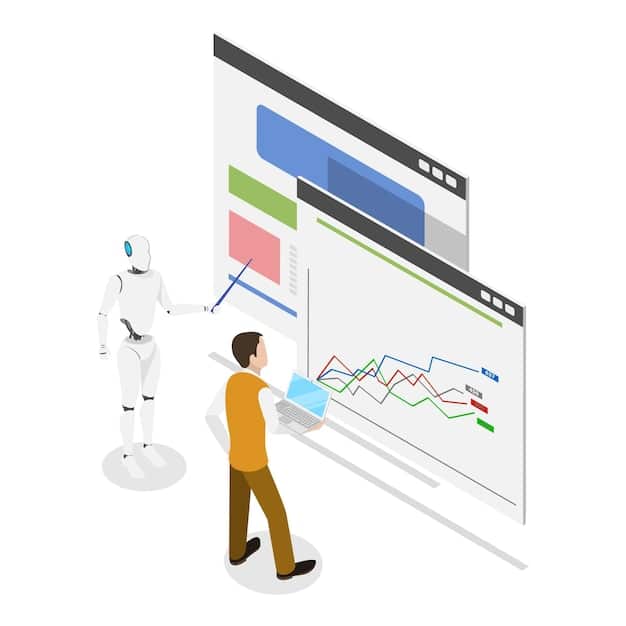
    A diagram illustrating how AI algorithms analyze website content, user behavior, and search queries to optimize SEO performance.

    AI-Driven Keyword Research

    AI tools can analyze vast amounts of data to identify the most relevant and high-performing keywords for a given topic. This helps marketers create content that is optimized for search engines and resonates with their target audience.

    Content Optimization with AI

    AI algorithms can assess the quality and relevance of website content, providing recommendations for improvement. This ensures that content is engaging, informative, and optimized for search engines.

    • Improved Keyword Targeting: AI helps marketers identify the most effective keywords for their campaigns.
    • Enhanced Content Quality: AI provides insights into content performance and offers suggestions for improvement.
    • Better Search Engine Rankings: Optimized content leads to higher rankings and more organic traffic.

    In conclusion, AI is revolutionizing SEO by providing marketers with powerful tools and insights. AI-driven keyword research and content optimization are essential for improving website visibility and attracting more organic traffic. Businesses that embrace AI in their SEO strategies will be well-positioned for success in the years to come.

    AI’s Impact on Social Media Marketing

    Social media marketing is a dynamic and competitive landscape, and AI is transforming how businesses engage with their audience on these platforms. From content scheduling to sentiment analysis, AI is providing marketers with the tools they need to create more effective and engaging campaigns.

    By leveraging AI, businesses can gain a deeper understanding of their audience, personalize their messaging, and optimize their social media strategies for maximum impact.

    Automated Content Scheduling

    AI-powered tools can automatically schedule social media posts based on audience behavior and engagement patterns. This ensures that content is published at the optimal times for maximum visibility.

    Sentiment Analysis

    AI algorithms can analyze social media posts and comments to gauge audience sentiment towards a brand or product. This provides valuable insights into customer opinions and helps marketers identify areas for improvement.

    • Optimized Content Timing: AI ensures that content is published at the most effective times.
    • Improved Audience Understanding: Sentiment analysis provides insights into customer opinions and emotions.
    • Enhanced Engagement Rates: Personalized messaging and optimized content timing lead to higher engagement rates.

    In conclusion, AI is significantly impacting social media marketing by providing marketers with the tools they need to create more effective and engaging campaigns. Automated content scheduling and sentiment analysis are just two of the many ways that AI is helping businesses succeed on social media. Businesses that adopt AI in their social media strategies will be better positioned to reach their target audience and achieve their marketing goals.

    Ethical Considerations and Future Challenges

    As AI becomes more prevalent in marketing, it is essential to consider the ethical implications and future challenges that arise. Data privacy, algorithmic bias, and the potential for job displacement are just some of the concerns that need to be addressed.

    By focusing on fairness, transparency, and accountability, businesses can ensure that AI is used responsibly and ethically in marketing. This will help build trust with customers and create a more sustainable and inclusive marketing ecosystem.

    Data Privacy and Security

    Protecting customer data is paramount, and businesses must implement robust security measures to prevent data breaches and unauthorized access. AI algorithms should be designed to respect privacy and comply with data protection regulations.

    Algorithmic Bias

    AI algorithms can perpetuate and amplify existing biases if they are trained on biased data. It is crucial to ensure that AI systems are fair, unbiased, and do not discriminate against any group of people.

    • Prioritize Data Protection: Implement strong security measures to safeguard customer data.
    • Ensure Fairness and Transparency: Develop AI systems that are unbiased and transparent.
    • Promote Ethical Practices: Foster a culture of ethical AI use within the organization.

    In conclusion, ethical considerations and future challenges are critical to the responsible and sustainable adoption of AI in marketing. By addressing data privacy, algorithmic bias, and other ethical concerns, businesses can ensure that AI is used for good and that it benefits both customers and society as a whole. Embracing these principles will pave the way for a more equitable and trustworthy marketing landscape in the years to come.

    Key Point Brief Description
    💡Personalization at Scale AI enables hyper-targeted marketing with dynamic content and unique recommendations.
    🤖AI Chatbots & Assistants Provide 24/7 customer support, proactive engagement, and improved satisfaction.
    🔍AI & SEO AI drives keyword research and optimizes content for better search engine rankings.
    📢Social Media AI Automates content scheduling and uses sentiment analysis for enhanced engagement.

    FAQ

    How is AI transforming marketing strategies?

    AI provides tools to personalize customer experiences, automate tasks, and improve overall marketing effectiveness. It helps analyze data and predict trends.

    What are the key benefits of using AI in marketing?

    Key benefits include increased efficiency, better customer insights, improved personalization, and enhanced ROI from marketing campaigns. It saves time and resources.

    How can AI-powered chatbots enhance customer experience?

    AI chatbots provide instant support, answer inquiries 24/7, and offer personalized assistance. They improve customer satisfaction and brand loyalty.

    What ethical considerations should marketers keep in mind regarding AI?

    Marketers should prioritize data privacy, avoid algorithmic bias, and ensure transparency. Ethical use of AI builds trust and promotes sustainability.

    How is AI impacting SEO strategies?

    AI improves keyword research, optimizes content, and enhances website rankings. It provides insights to help marketers adapt to evolving search engine algorithms.

    Conclusion

    As we look to 2025, it’s clear that artificial intelligence will continue to revolutionize the marketing landscape. By embracing these AI innovations and addressing the ethical considerations that arise, businesses can stay ahead of the curve and unlock unprecedented opportunities for growth and success.


  • AI Sales Forecasting: Predict Revenue and Optimize Resources

    AI Sales Forecasting: Predict Revenue and Optimize Resources

    AI sales forecasting leverages artificial intelligence to predict future revenue with up to 95% accuracy, enabling businesses to optimize resource allocation and enhance decision-making.

    In today’s data-driven world, businesses are constantly seeking ways to gain a competitive edge. AI sales forecasting offers a powerful solution by harnessing the potential of artificial intelligence to predict future revenue with remarkable accuracy, enabling businesses to optimize resource allocation and drive sustainable growth.

    Unveiling the Power of AI in Sales Forecasting

    AI is revolutionizing numerous industries, and sales is no exception. AI-powered tools can analyze vast amounts of data to identify patterns, trends, and insights that would be impossible for humans to detect manually. This capability allows sales teams to move beyond guesswork and make data-backed decisions.

    The Limitations of Traditional Forecasting Methods

    Traditional sales forecasting methods, such as spreadsheets and gut feelings, often fall short in today’s complex business environment. These methods are subjective, prone to human error, and struggle to keep up with rapidly changing market dynamics.

    • Reliance on historical data: Traditional methods heavily rely on past performance, which may not be indicative of future results.
    • Lack of real-time insights: These methods typically provide static snapshots of the sales pipeline, hindering timely adjustments.
    • Inability to handle complexity: Traditional methods struggle to incorporate various factors influencing sales, such as seasonality, marketing campaigns, and economic conditions.

    By overcoming these limitations, AI sales forecasting empowers businesses to gain a more accurate and comprehensive view of their sales pipeline, leading to more informed decisions and better outcomes.

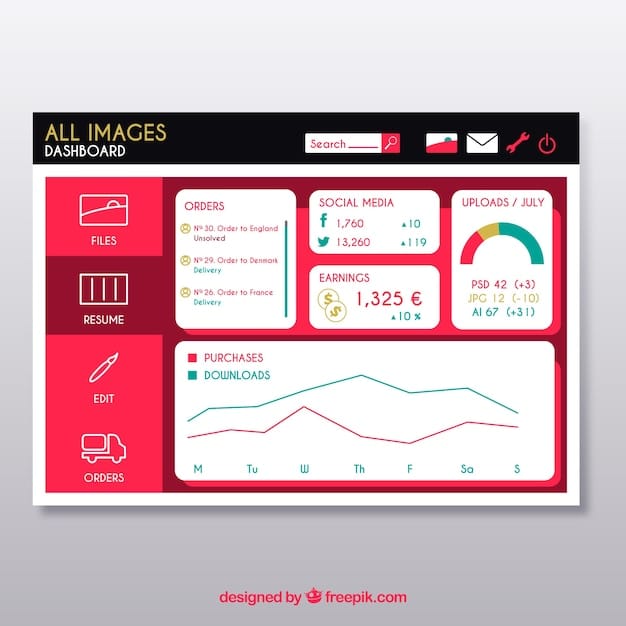
    A dashboard displaying key sales metrics, predictive analytics, and AI-driven recommendations for optimizing sales strategies.

    Achieving 95% Accuracy: How AI Transforms Predictions

    The key to AI’s superior forecasting accuracy lies in its ability to analyze massive datasets and identify complex relationships that influence sales performance. By leveraging machine learning algorithms, AI models can learn from historical data, identify patterns, and make highly accurate predictions.

    Factors Contributing to Enhanced Accuracy

    Several factors contribute to the improved accuracy of AI sales forecasting. These include access to diverse data sources, advanced algorithms, and continuous model refinement.

    • Data integration: AI models can integrate data from various sources, such as CRM systems, marketing automation platforms, and social media, providing a holistic view of the sales landscape.
    • Machine learning algorithms: These algorithms can learn from data and adapt to changing market conditions, resulting in more accurate predictions over time.
    • Model refinement: AI models can be continuously refined based on new data and feedback, ensuring that they remain accurate and relevant.

    Through the combination of data integration, machine learning algorithms, and model refinement, AI sales forecasting can achieve accuracy rates of up to 95%, significantly outperforming traditional methods.

    Optimizing Resource Allocation Through AI-Driven Insights

    Accurate sales forecasts are essential for effective resource allocation. By knowing what to expect in the future, businesses can make informed decisions about staffing, inventory, marketing spend, and other critical resources.

    Improved Efficiency and Cost Savings

    AI sales forecasting can help businesses improve efficiency and reduce costs by optimizing resource allocation. For example, businesses can use AI-driven insights to:

    • Allocate sales resources to the most promising leads and opportunities.
    • Optimize inventory levels to meet anticipated demand.
    • Adjust marketing campaigns based on predicted sales performance.

    These optimizations can lead to significant cost savings and improved overall efficiency.

    Best Practices for Implementing AI Sales Forecasting

    Implementing AI sales forecasting requires careful planning and execution. Following these best practices will help you maximize the benefits of AI and ensure a successful implementation.

    Data Quality and Preparation

    Data is the foundation of any AI model. Ensuring data quality is crucial for accurate sales forecasting. Follow these steps to prepare your data:

    • Clean and standardize data: Remove inconsistencies and errors from your data.
    • Integrate data from various sources: Combine data from your CRM, marketing automation platform, and other relevant sources.
    • Ensure data completeness: Fill in any missing data points.

    By ensuring data quality, you can significantly improve the accuracy of your AI sales forecasting models.

    A team of sales professionals collaborating around a large screen displaying AI-generated sales forecasts and insights.

    The Role of AI in Enhancing Sales Strategies

    AI is not just about predicting the future; it’s about enhancing sales strategies. AI can provide valuable insights into customer behavior, market trends, and competitive landscapes, allowing sales teams to adapt and improve their strategies.

    Personalized Customer Experiences

    AI can help personalize customer experiences by analyzing customer data and identifying individual needs and preferences. For example, AI can be used to:

    • Identify upselling and cross-selling opportunities.
    • Personalize marketing messages and promotions.
    • Provide tailored product recommendations.

    By personalizing customer experiences, businesses can improve customer satisfaction, increase sales, and build stronger customer relationships.

    The Future of AI in Sales: Trends and Predictions

    The future of AI in sales is bright. As AI technology continues to evolve, we can expect even more sophisticated and powerful sales forecasting solutions. Here are some key trends to watch:

    Increased Automation and Integration

    We can expect to see increased automation and integration in AI sales forecasting. AI will be seamlessly integrated into CRM systems and other sales tools, automating tasks such as data collection, analysis, and reporting. This will free up sales teams to focus on building relationships and closing deals.

    • Automated data collection: AI will automatically collect data from various sources, eliminating the need for manual data entry.
    • Seamless integration with CRM systems: AI sales forecasting will be seamlessly integrated into CRM systems, providing sales teams with real-time insights and recommendations.
    • Automated reporting: AI will generate automated reports on sales performance and forecasts, saving time and effort.

    These advancements will make AI sales forecasting even more accessible and valuable for businesses of all sizes.

    Key Point Brief Description
    📈 Accuracy Improvement AI boosts forecast accuracy to 95% by analyzing complex data patterns.
    💰 Resource Optimization AI-driven insights enable better allocation of resources, saving costs.
    📊 Data Integration AI integrates data from multiple sources for a holistic sales view.
    🎯 Personalized Experience AI personalizes customer interactions, improving satisfaction and sales.

    Frequently Asked Questions

    What is AI sales forecasting?

    AI sales forecasting utilizes artificial intelligence to predict future sales trends by analyzing historical data and relevant market variables, providing more accurate revenue projections.

    How accurate is AI sales forecasting?

    AI sales forecasting can achieve up to 95% accuracy, depending on data quality and model complexity, surpassing traditional forecasting methods that often rely on biased human assumptions.

    What data is needed for AI sales forecasting?

    Successful AI sales forecasting requires diverse data, including historical sales figures, marketing data, customer demographics, and external factors like economic indicators and seasonal trends.

    How does AI optimize resource allocation?

    AI optimizes resource allocation by predicting future sales demands and identifying inefficiencies, ensuring resources are directed to maximize customer relationships, increase sales and minimize waste.

    What are the benefits of using AI in sales?

    AI fosters improved accuracy in sales forecasting, optimized resource allocation, boosted efficiency, and enhanced sales strategies, leading to competitive advantages, higher revenue, and better customer relationships.

    Conclusion

    AI sales forecasting represents a transformative shift in how businesses approach sales. By leveraging the power of AI, companies can achieve unprecedented levels of accuracy, optimize resource allocation, and enhance their sales strategies, ultimately leading to increased revenue and improved profitability. As AI technology continues to develop, its role in sales will only become more critical, making it essential for businesses to embrace AI-driven solutions to stay competitive in today’s rapidly evolving market.

  • Boost Sales Efficiency by 30%: AI Task Automation

    Boost Sales Efficiency by 30%: AI Task Automation

    Boost Your Sales Team’s Efficiency by 30%: Implementing AI-Driven Task Automation by using Artificial Intelligence to automate repetitive tasks, enhance decision-making, and improve overall productivity, resulting in significant time savings and increased revenue generation.

    Ready to boost your sales team’s efficiency by 30%: Implementing AI-Driven Task Automation? Discover how AI can transform your sales process and drive significant improvements in productivity and revenue.

    Unlock Sales Efficiency with AI-Driven Automation

    In today’s competitive landscape, sales teams are constantly seeking ways to enhance their efficiency and drive revenue growth. Artificial Intelligence (AI) offers a powerful solution through task automation, streamlining processes, and enabling sales professionals to focus on higher-value activities.

    By implementing AI-driven task automation, sales teams can achieve a boost in efficiency by 30%. This transformation not only saves time but also improves accuracy, reduces errors, and provides valuable insights that lead to better decision-making. Let’s delve into how AI can revolutionize your sales operations.

    Identifying Key Areas for AI Automation

    Before implementing AI, it’s important to identify the specific areas within your sales process that can benefit most from automation. This strategic approach ensures that AI is applied where it can yield the greatest impact.

    • Lead Qualification: Automate the process of identifying and prioritizing leads based on predefined criteria, ensuring that your sales team focuses on the most promising prospects.
    • Data Entry: Eliminate manual data entry tasks by automating the capture and synchronization of information across various sales platforms.
    • Reporting and Analytics: Generate automated reports and dashboards that provide real-time insights into sales performance, trends, and opportunities.

    A detailed graphic showcasing a sales pipeline with AI-powered automation enhancing each stage, highlighting lead scoring, automated email follow-ups, and predictive analytics.

    By strategically targeting these areas, sales teams can streamline their daily operations and focus on tasks that require human interaction, such as building relationships and closing deals.

    Optimize Lead Generation with AI

    Lead generation is the lifeblood of any sales organization. AI can significantly enhance this process by identifying, attracting, and nurturing high-quality leads, ensuring a steady stream of potential customers.

    AI-powered tools can analyze vast amounts of data to identify patterns and predict which leads are most likely to convert. This enables sales teams to prioritize their efforts and allocate resources more effectively, resulting in a greater return on investment.

    AI-Driven Lead Scoring

    One of the most impactful applications of AI in lead generation is lead scoring. AI algorithms analyze various data points, such as demographics, online behavior, and engagement metrics, to assign a score to each lead. This score indicates the lead’s likelihood of becoming a customer.

    By focusing on leads with higher scores, sales teams can optimize their time and resources, ensuring that they are engaging with the most promising prospects.

    • Improved Conversion Rates: By focusing on high-potential leads, sales teams can increase their conversion rates and generate more revenue.
    • Enhanced Lead Quality: AI algorithms help identify leads that are a good fit for your products or services, improving the overall quality of your lead pipeline.
    • Personalized Engagement: AI-powered tools can personalize interactions with leads based on their individual preferences and behaviors, increasing engagement and building stronger relationships.

    With its powerful lead scoring capabilities, AI can transform your lead generation efforts, resulting in a more efficient and effective sales process.

    Automate Communication for Enhanced Engagement

    Effective communication is essential for building relationships and closing deals. AI can automate various communication tasks, ensuring that sales teams stay connected with their prospects and customers in a timely and personalized manner.

    From automated email follow-ups to AI-powered chatbots, there are numerous ways to streamline communication and enhance engagement throughout the sales process.

    AI-Powered Email Marketing

    Email marketing remains a powerful tool for nurturing leads and driving sales. AI can automate various aspects of email marketing, such as crafting personalized messages, scheduling sends, and tracking engagement metrics. This enables sales teams to deliver targeted content at scale, increasing the likelihood of conversion.

    By automating email marketing, sales teams can save time, improve their messaging, and ensure that they are engaging with their audience in a relevant and timely manner.

    A sleek interface depicting an AI chatbot assisting a customer on a website, highlighting instant responses, personalized recommendations, and seamless integration with CRM.

    • Personalized Messaging: AI algorithms can analyze customer data to create personalized email messages that resonate with individual preferences and behaviors.
    • Automated Follow-Ups: AI can automate the process of sending follow-up emails based on predefined rules, ensuring that leads receive timely and relevant information.
    • Real-Time Insights: AI-powered tools provide real-time insights into email performance, such as open rates, click-through rates, and conversion rates, enabling sales teams to optimize their campaigns.

    Through automated communication, sales teams can build stronger relationships with their prospects and customers, leading to increased engagement and higher conversion rates.

    Streamline Data Management with AI

    Data is the backbone of any effective sales organization. AI can streamline data management by automating data entry, cleaning data, and providing valuable insights that drive better decision-making.

    By automating data management tasks, sales teams can save time, reduce errors, and gain a more comprehensive understanding of their customers and prospects.

    Manual data entry is a time-consuming and error-prone task that can detract from more strategic activities. AI can automate data entry by capturing information from various sources, such as emails, documents, and web forms, and automatically synchronizing it across different sales platforms.

    This not only saves time but also ensures that all data is accurate and up-to-date.

    • Improved Data Accuracy: AI algorithms can identify and correct errors in data, ensuring that all information is accurate and reliable.
    • Enhanced Data Consistency: AI can enforce data consistency across different sales platforms, preventing discrepancies and ensuring that all teams are working with the same information.
    • Automated Data Enrichment: AI can enrich data by automatically adding missing information, such as contact details, company information, and social media profiles, providing a more complete view of customers and prospects.

    With streamlined data management, sales teams can focus on analyzing and leveraging data to drive better outcomes, rather than spending time on manual data entry and cleaning.

    Enhance Sales Forecasting with Predictive Analytics

    Accurate sales forecasting is essential for making informed decisions about resource allocation, budgeting, and strategic planning. AI can enhance sales forecasting by analyzing historical data, identifying patterns, and predicting future sales trends.

    AI-powered predictive analytics tools can provide sales teams with valuable insights into future sales performance, enabling them to make proactive adjustments to their strategies and tactics.

    AI-Driven Sales Predictions

    AI algorithms can analyze various data points, such as historical sales data, market trends, and customer behavior, to predict future sales performance with a high degree of accuracy. This enables sales teams to anticipate changes in demand, identify potential risks, and optimize their sales strategies accordingly.

    By leveraging AI-driven sales predictions, sales teams can make more informed decisions and achieve better outcomes.

    • Improved Resource Allocation: By accurately forecasting sales, sales teams can allocate resources more effectively, ensuring that they have the right people and tools in place to meet demand.
    • Enhanced Budgeting: Accurate sales forecasts enable sales teams to create more realistic budgets and make informed decisions about investments in sales and marketing activities.
    • Proactive Risk Management: By identifying potential risks in advance, sales teams can take proactive steps to mitigate those risks and minimize any negative impact on sales performance.

    Through enhanced sales forecasting, AI can help sales teams make more informed decisions and achieve their revenue goals.

    Implement AI-Driven Training for Continuous Improvement

    Continuous learning and development are essential for sales teams to stay ahead of the curve. AI can support this by providing personalized training recommendations, tracking progress, and identifying areas for improvement.

    AI-powered training platforms can analyze individual sales performance data to identify strengths and weaknesses, and then recommend specific training modules or resources to address those weaknesses.

    Personalized Training Recommendations

    AI algorithms can assess individual sales performance data, such as conversion rates, closing ratios, and customer satisfaction scores, to identify areas where sales professionals can improve. Based on this assessment, AI can recommend specific training modules, articles, or videos that are tailored to individual needs.

    • Improved Skill Development: Personalized training recommendations help sales professionals develop the skills and knowledge they need to excel in their roles.
    • Increased Engagement: By providing training that is relevant and engaging, AI can increase participation rates and improve learning outcomes.
    • Real-Time Feedback: AI-powered training platforms can provide real-time feedback on performance, enabling sales professionals to track their progress and make adjustments as needed.

    Through AI-driven training, sales teams can ensure that their members are constantly learning and improving, leading to better sales performance and customer satisfaction.

    Key Point Brief Description
    🎯 Lead Qualification AI identifies and prioritizes high-potential leads.
    📧 Automated Communication AI streamlines email follow-ups and chatbot interactions.
    📊 Enhanced Data Management AI automates data entry and ensures accuracy.
    🔮 Predictive Analytics AI forecasts sales trends for better planning.

    Frequently Asked Questions

    How does AI boost sales team efficiency?

    AI boosts efficiency by automating repetitive tasks like data entry, lead qualification, and email follow-ups, allowing sales teams to focus on building relationships and closing deals. This leads to increased productivity and revenue.

    What are some key areas for AI implementation in sales?

    Key areas include lead generation, data management, communication, and sales forecasting. AI can enhance each of these areas by automating tasks, providing valuable insights, and improving overall efficiency.

    How can AI improve lead generation efforts?

    AI improves lead generation by analyzing data to identify high-potential leads, scoring leads based on their likelihood of conversion, and personalizing interactions to increase engagement and build stronger relationships.

    What role does AI play in enhancing sales communication?

    AI automates email marketing campaigns, personalizes messaging, and provides real-time insights into email performance, enabling sales teams to deliver targeted content and engage with their audience more effectively.

    How does AI contribute to better sales forecasting?

    AI analyzes historical sales data and market trends to predict future sales performance, enabling sales teams to make informed decisions about resource allocation, budgeting, and strategic planning, ultimately improving their revenue outcomes.

    Conclusion

    By boosting your sales team’s efficiency by 30% through implementing AI-driven task automation, businesses can streamline their sales processes, improve productivity, and drive significant revenue growth. From automating lead generation and communication to enhancing data management and sales forecasting, AI offers a wide range of solutions to help sales teams achieve their goals.

  • AI-Powered Sales: Unlock a 10% Higher Close Rate in 2025

    AI-Powered Sales: Unlock a 10% Higher Close Rate in 2025

    Unlock a 10% Higher Close Rate: Using AI to Personalize Sales Pitches in 2025 involves leveraging advanced artificial intelligence technologies to tailor sales presentations to individual customer needs, preferences, and pain points, ultimately resulting in increased engagement and conversion rates.

    Are you ready to revolutionize your sales strategy? In 2025, the key to unlocking a 10% higher close rate lies in the intelligent application of AI to personalize sales pitches. Embrace the future and discover how unlocking a 10% higher close rate: using AI to personalize sales pitches in 2025 can transform your business.

    The Dawn of AI-Driven Sales Personalization

    The sales landscape is constantly evolving, and in 2025, personalization will be the name of the game. Artificial Intelligence offers unprecedented capabilities to understand customer behavior and tailor interactions accordingly. This section introduces how AI is poised to reshape sales strategies.

    By leveraging AI, sales teams can move beyond generic pitches and provide unique, relevant, and compelling information to each prospect. The result is higher engagement and more successful conversions.

    Understanding Customer Needs with AI

    AI algorithms analyze vast amounts of data to construct detailed customer profiles. This enables sales professionals to know their audience intimately.

    • Data Collection: AI pulls data from CRM systems, social media, and website interactions.
    • Pattern Recognition: Algorithms identify patterns in customer behavior and preferences.
    • Predictive Analysis: AI forecasts customer needs and anticipates their questions and concerns.

    Personalizing the Sales Pitch

    Once you understand your customer, you can customize every aspect of the sales pitch. This includes offering personalized recommendations, addressing specific pain points, and using stories that resonate with their unique backgrounds.

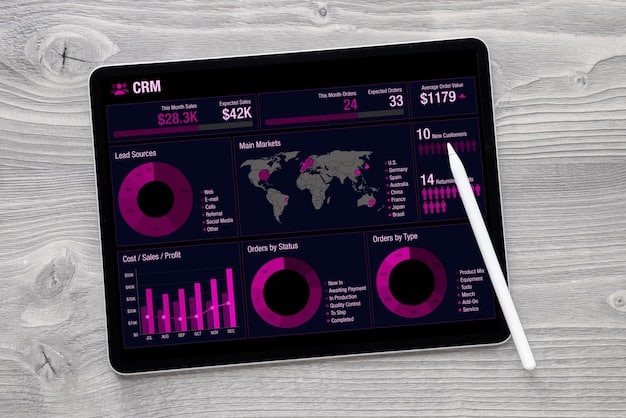
    A dashboard interface displaying a customer profile with detailed information on purchase history, preferences, and engagement metrics. AI-generated insights and recommendations are also visible on the screen.

    Ultimately, AI-driven sales personalization is about making the sales process more human. By providing tailored experiences, you build trust and demonstrate that you genuinely care about your prospects.

    The ROI of Personalized Sales Pitches

    Investing in AI for sales personalization is an investment in higher revenue and stronger customer relationships. This section will explore the various financial and operational benefits of AI-driven personalization.

    Companies that have embraced AI in their sales processes are already seeing significant returns. Increased close rates, higher customer lifetime value, and reduced sales cycle times are just a few of the benefits.

    Improved Close Rates

    Personalized sales pitches are more compelling to prospects because they address their unique needs and pain points directly. This leads to a higher probability of closing the deal.

    • Targeted Messaging: Tailored communications resonate more effectively.
    • Value Proposition: Demonstrating clear value specific to the customer’s needs.
    • Trust Building: Customization shows you understand and value the customer.

    Increased Customer Lifetime Value

    Satisfied customers are more likely to remain loyal and make repeat purchases. AI personalization fosters strong relationships that extend beyond the initial sale.

    By consistently delivering tailored experiences and anticipating customer needs, you create a long-term partnership built on trust and mutual benefit.

    A graph demonstrating the increase in sales revenue and customer retention after implementing AI-driven sales personalization. The chart highlights key performance indicators (KPIs) and their positive trends.

    AI-driven personalization is a strategic investment that pays dividends in the form of increased revenue, reduced costs, and stronger brand loyalty.

    Implementing AI into Your Sales Workflow

    Integrating AI into your sales process may seem daunting, but it can be achieved in a systematic and phased approach. This section provides a step-by-step guide to successfully implement AI into your sales workflow.

    Start by identifying the areas where personalization can have the most impact. Next, choose the right AI tools and platforms, and train your sales team to leverage these technologies effectively.

    Choosing the Right AI Tools

    There’s a wide array of AI tools and platforms available, each with its own strengths and weaknesses. Select the tools that best align with your specific needs and budget.

    • CRM Integration: Choose AI tools that integrate seamlessly with your existing CRM system.
    • Data Analysis: Opt for platforms that offer robust data analysis and reporting capabilities.
    • Scalability: Ensure that the AI solution can scale as your business grows.

    Training Your Sales Team

    Even the best AI tools are ineffective without a skilled sales team to use them. Provide comprehensive training to ensure that your team can leverage AI to its full potential.

    Training should cover everything from understanding customer data to crafting personalized sales pitches. Focus on the importance of empathy and human connection, even with technology in the mix.

    Challenges and Considerations

    While AI offers immense potential, it’s essential to acknowledge the challenges and considerations associated with its implementation. This section addresses some of the common hurdles and provides strategies for overcoming them.

    Data privacy concerns, ethical considerations, and the need for ongoing maintenance and monitoring are just a few of the challenges you may encounter. However, with careful planning and proactive management, these obstacles can be minimized.

    Data Privacy and Compliance

    Handling customer data responsibly is paramount. Ensure that your AI systems comply with all relevant data privacy regulations, such as GDPR and CCPA.

    Implement robust security measures to safeguard customer data and be transparent with your customers about how their data is being used.

    Ethical Considerations

    Using AI to personalize sales pitches raises several ethical considerations. Avoid manipulative tactics and always prioritize the customer’s best interests.

    Be transparent about the use of AI and ensure that your sales team is trained to use the technology ethically and responsibly.

    The Future of AI in Sales

    The role of AI in sales will only continue to grow in the coming years. Keep abreast of the latest advancements and adapt your strategies accordingly. In this section, we can look toward the future.

    From predictive analytics to automated lead nurturing, AI will drive sales success further. Those who embrace AI and integrate it effectively into their sales processes will gain a competitive advantage in the years to come.

    • Predictive Analytics: Forecasting sales trends and customer behavior.
    • Automated Lead Nurturing: Engaging and qualifying leads automatically.
    • Enhanced Customer Experiences: Delivering personalized and seamless interactions.

    AI is not just a tool; it’s a catalyst for change. By embracing AI, you can transform your sales processes and achieve new levels of success.

    Real-World Examples of AI Personalization

    Many companies are already using AI to personalize their sales efforts and achieve impressive results. This section showcases real-world examples of AI personalization in action.

    From e-commerce retailers to financial services providers, businesses across various industries are leveraging AI to better understand their customers and provide tailored experiences.

    E-commerce: Personalized Product Recommendations

    E-commerce platforms use AI to analyze browsing behavior and purchase history to provide personalized product recommendations. This drives sales and increases customer satisfaction.

    For example, after browsing a specific category of items, a customer might receive an email showcasing related products that align with their interests.

    Financial Services: Tailored Investment Advice

    Financial services companies use AI to analyze customer financial data and provide tailored investment advice. This helps customers achieve their financial goals and builds trust.

    AI algorithms can assess risk tolerance, investment horizons, and financial goals to recommend personalized portfolios and investment strategies.

    Key Point Brief Description
    🎯 AI Personalization Tailoring sales pitches using AI for higher engagement.
    📈 ROI Benefits Increased close rates, better customer lifetime value.
    🛠️ Implementation Step-by-step guide to integrate AI into sales workflows.
    🛡️ Challenges Addressing data privacy and ethical considerations.

    FAQ

    What is AI-driven sales personalization?

    It’s the process of tailoring sales pitches to individual customer needs using artificial intelligence. AI analyzes data to understand customer preferences and behaviors, enabling personalized interactions and higher engagement.

    How does AI improve close rates?

    AI improves close rates by providing targeted messaging that resonates with prospects. Value propositions are clearly demonstrated based on customer needs, building trust and increasing the likelihood of closing a deal.

    What are some challenges of implementing AI in sales?

    Challenges include data privacy concerns, ethical considerations, and the need for ongoing maintenance. Companies must comply with data privacy regulations and ensure ethical use of AI technology in their sales processes.

    How can I choose the right AI tools for my sales team?

    Select tools that integrate seamlessly with your CRM system, offer robust data analysis, and can scale as your business grows. Ensure the tools align with your specific needs and budget, providing the best possible support for your sales team.

    What is the future of AI in sales?

    The future of AI in sales includes enhanced customer experiences, predictive analytics, and automated lead nurturing.Those who embrace AI will stay ahead of the curve and obtain a competitive edge in sales.

    Conclusion

    In 2025, unlocking a 10% higher close rate: using AI to personalize sales pitches in 2025 is not just a possibility, but a necessity for forward-thinking businesses. By leveraging AI to understand customer needs and tailor sales interactions, companies can create more meaningful relationships, increase revenue, and gain a competitive edge. Embrace the power of AI and transform your sales strategy today.

  • Generate 50% More Qualified Leads with AI: Target High-Potential Prospects

    Generate 50% More Qualified Leads with AI: Target High-Potential Prospects

    Generate 50% More Qualified Leads: Using AI to Target High-Potential Prospects by leveraging artificial intelligence to precisely identify and engage with individuals most likely to become valuable customers, dramatically improving sales efficiency and conversion rates.

    In today’s competitive market, identifying and securing qualified leads is paramount. Generate 50% More Qualified Leads: Using AI to Target High-Potential Prospects. How can AI help in achieving a higher volume of leads?

    Understanding the Power of AI in Lead Generation

    Artificial Intelligence (AI) is transforming the way businesses approach lead generation. Understanding the power of AI in lead generation is essential for driving sales and expanding market reach.

    What is AI-Powered Lead Generation?

    AI-powered lead generation leverages machine learning algorithms to analyze vast datasets, identify patterns, and predict which prospects are most likely to convert into customers. This approach goes beyond traditional methods by providing deeper insights into customer behavior and preferences.

    Benefits of Using AI for Lead Generation

    The benefits are numerous. AI can automate repetitive tasks, such as data collection and initial outreach, freeing up sales teams to focus on building relationships and closing deals. Additionally, AI can improve the quality of leads, ensuring that sales efforts are directed towards individuals who are genuinely interested in the product or service.

    • Enhanced Targeting: AI enables precise targeting, reaching only the most promising prospects.
    • Improved Lead Quality: AI filters out unqualified leads, saving time and resources.
    • Automated Processes: AI automates repetitive tasks, increasing efficiency.
    • Better Customer Insights: AI provides valuable insights into customer behavior.

    In conclusion, understanding the power of AI in lead generation allows businesses to streamline their sales processes, improve lead quality, and ultimately drive revenue growth.

    A dashboard showing leads generated by AI with metrics like lead score and conversion probability.

    Identifying High-Potential Prospects with AI

    One of the most significant advantages of AI in sales is its ability to identify prospects with a high likelihood of conversion. Identifying these prospects using AI is key.

    Predictive Lead Scoring

    Predictive lead scoring is a technique used by AI algorithms to rank leads based on their likelihood to convert. This scoring is determined by analyzing various factors, such as demographics, online behavior, and engagement with marketing materials.

    Behavioral Analysis

    AI can track and analyze a prospect’s online behavior, including website visits, content downloads, and social media interactions. This behavioral analysis provides valuable insights into their interests and needs, allowing sales teams to tailor their approach accordingly.

    • Website Activity: Monitoring which pages a prospect visits on your website.
    • Content Engagement: Tracking which content the prospect downloads or interacts with.
    • Social Media Activity: Analyzing the prospect’s social media interactions related to your brand.
    • Email Engagement: Monitoring email opens, clicks, and responses.

    In summary, AI’s capability to identify high-potential prospects through predictive lead scoring and behavioral analysis can significantly improve the efficiency and effectiveness of sales teams.

    Implementing AI Tools for Targeted Outreach

    Once high-potential prospects have been identified, the next step is to engage them with targeted outreach strategies. Implementing AI tools for targeted outreach involves selecting and utilizing the right technology to connect with prospects in a personalized and effective manner.

    AI-Powered Email Marketing

    AI-powered email marketing tools can personalize email content based on a prospect’s behavior and preferences. These tools can also optimize send times and subject lines to maximize engagement. Sending personalized emails can help you
    generate 50% more qualified leads.

    Chatbots for Instant Engagement

    Chatbots can provide instant responses to prospect inquiries, offering immediate assistance and guiding them through the sales funnel. AI-driven chatbots can understand natural language and provide personalized recommendations based on a prospect’s needs.

    • Personalized Responses: Chatbots that provide tailored answers to prospect questions.
    • Lead Qualification: Chatbots that qualify leads based on predefined criteria.
    • Appointment Scheduling: Chatbots that schedule appointments directly with sales reps.
    • 24/7 Availability: Chatbots that are available around the clock to assist prospects.

    In conclusion, implementing AI tools for targeted outreach allows you to engage with prospects in a personalized and efficient manner, increasing the likelihood of conversion.

    A visual representation of an AI tool suggesting personalized email content.

    Personalizing the Customer Journey with AI

    Personalization is a key element of effective lead generation. Personalizing the customer journey with AI involves tailoring the experience to meet the unique needs and preferences of each prospect.

    Dynamic Content Personalization

    Dynamic content personalization uses AI to customize website content, email messages, and other marketing materials based on a prospect’s behavior and demographics. This ensures that each prospect receives the most relevant information, increasing engagement and driving conversions.

    AI-Driven Product Recommendations

    AI can analyze a prospect’s past purchases, browsing history, and other data to provide personalized product recommendations. These recommendations can encourage prospects to make additional purchases and increase customer lifetime value. AI helps to
    generate 50% more qualified leads.

    • Behavioral Analysis: Analyzing past customer behavior to predict future interests.
    • Personalized Offers: Providing tailored discounts and promotions based on customer preferences.
    • Cross-Selling Opportunities: Identifying related products that a customer might be interested in.
    • Upselling Strategies: Recommending higher-value products to existing customers.

    In summary, personalizing the customer journey with AI enhances engagement, improves customer satisfaction, and ultimately drives revenue growth.

    Overcoming Challenges in AI Lead Generation

    While AI offers numerous benefits for lead generation, it also presents certain challenges. Overcoming challenges in AI-lead generation requires careful planning, implementation, and ongoing optimization.

    Data Privacy Concerns

    AI algorithms rely on vast amounts of data, which raises concerns about data privacy and security. It is essential to ensure that data is collected and used in compliance with privacy regulations, such as GDPR and CCPA.

    Ensuring Data Quality

    The accuracy and reliability of AI algorithms depend on the quality of the data they are trained on. Poor data quality can lead to inaccurate predictions and ineffective lead generation efforts. So maintaining
    generate 50% more qualified leads one must assure data quality.

    • Regular Data Audits: Conducting regular audits to identify and correct errors in the data.
    • Data Cleansing Processes: Implementing processes to remove duplicate or inconsistent data.
    • Data Validation Techniques: Using validation techniques to ensure data accuracy.
    • Data Enrichment Strategies: Enriching data with additional information to improve its completeness.

    In conclusion, addressing data privacy concerns and ensuring data quality are critical for the successful implementation of AI in lead generation.

    Measuring the ROI of AI in Lead Generation

    To justify the investment in AI, it is important to measure its return on investment (ROI). Measuring the ROI of AI in lead generation involves tracking key performance indicators (KPIs) and assessing the impact of AI on sales and revenue growth.

    Key Performance Indicators (KPIs)

    Key KPIs for measuring the ROI of AI in lead generation include lead volume, lead quality, conversion rates, and customer lifetime value. By tracking these metrics, businesses can assess the effectiveness of their AI-powered lead generation strategies.

    Attribution Modeling

    Attribution modeling helps to determine which marketing channels and touchpoints are most effective in driving conversions. AI can be used to analyze customer journeys and attribute value to different touchpoints, providing insights into the ROI of various marketing activities.

    • Lead Volume: The total number of leads generated.
    • Lead Quality: The percentage of leads that meet predefined criteria for qualification.
    • Conversion Rates: The percentage of leads that convert into customers.
    • Customer Lifetime Value: The total revenue generated by a customer over their relationship with the business.

    In summary, measuring the ROI of AI in lead generation provides valuable insights into the effectiveness of AI-powered strategies and helps to optimize future investments.

    Key Point Brief Description
    🎯 AI Targeting AI pinpoints high-potential prospects efficiently.
    📧 Personalized Outreach AI personalizes customer journeys, boosting engagement.
    📊 ROI Measurement AI tracking helps assess the impact on revenue.
    🛡️ Data Security Compliance with GDPR and CCPA.

    FAQ

    How does AI identify potential leads?

    AI analyzes vast datasets, including demographic information, online behavior, and engagement patterns, to identify individuals with a high likelihood of conversion into customers.

    What are the privacy concerns regarding AI use?

    The use of AI raises concerns about data privacy and security. Companies must ensure compliance with regulations like GDPR and CCPA when collecting and using customer data to safeguard privacy.

    How can AI personalize customer experiences?

    AI personalizes customer experiences through dynamic content, personalized product recommendations, and tailored email marketing. This ensures that each customer receives relevant information, increasing engagement and conversions.

    What metrics track AI’s lead generation ROI?

    Key performance indicators for tracking AI’s ROI include lead volume, lead quality, conversion rates, and customer lifetime value. These metrics help assessing the effectiveness of AI-driven lead generation strategies.

    How does AI prioritize sales for a company?

    AI prioritizes sales by scoring leads based on their conversion probability. This allows you to
    generate 50% more qualified leads, focusing sales efforts on the most promising prospects, improving efficiency, and maximizing conversion rates.

    Conclusion

    In conclusion, leveraging AI to generate 50% more qualified leads is a transformative strategy for modern businesses. By understanding the power of AI, implementing AI tools, and addressing the challenges, businesses can significantly improve their lead generation efforts and drive sustainable growth.

  • Increase Average Deal Size: AI Upselling for 12% Growth

    Increase Average Deal Size: AI Upselling for 12% Growth

    Increase Average Deal Size by 12%: How AI Helps Identify Upselling Opportunities analyzes how artificial intelligence transforms sales strategies to pinpoint upselling possibilities, boosting the average size of deals by 12% through data-driven insights.

    Want to skyrocket your sales and **increase average deal size by 12%: How AI Helps Identify Upselling Opportunities**? Discover how AI is revolutionizing sales, offering unprecedented insights for identifying lucrative upselling possibilities and achieving significant revenue growth.

    Unlock Sales Growth: AI Identifies Upselling Opportunities

    Artificial intelligence is no longer a futuristic concept; it’s a present-day tool drastically changing how businesses approach sales. AI algorithms can analyze vast datasets to uncover hidden patterns and opportunities that human sales teams might miss. In this context, AI becomes a powerful ally in identifying upselling chances that can lead to a substantial rise in the average deal size.

    Increasing the average deal size is a key objective for many sales organizations. It means generating more revenue from each transaction, improving profitability and overall sales efficiency. This can be achieved through various strategies, including upselling, which involves persuading customers to purchase a more expensive version of what they initially intended to buy, or by adding complementary products or services.

    A close-up of a sales dashboard displaying customer data and predictive analytics, highlighting potential upselling opportunities with a clear indicator for product upgrades or add-ons.

    How AI Transforms Sales Strategies

    AI’s capacity to process and interpret large volumes of data sets it apart from traditional approaches. It examines customer interactions, purchase histories, browsing behavior, and demographic data to create a comprehensive view of each customer. This insight enables sales teams to tailor their approach and provide suitable upselling suggestions, enhancing the likelihood of a successful transaction and overall customer satisfaction.

    • Data Analysis: AI algorithms excel at analyzing vast amounts of data to identify trends and patterns.
    • Personalized Recommendations: Based on data analysis, AI can provide tailored upselling recommendations for each customer.
    • Improved Efficiency: AI automates many aspects of the sales process, freeing up sales reps to focus on high-value interactions.

    By leveraging AI, sales teams can move from generalized sales tactics to personalized engagement strategies, significantly increasing their chances of making more significant sales and strengthening customer ties. Employing AI tools not only improves the sales numbers but also provides a more refined and customized customer experience.

    AI-Powered Upselling: A Detailed Look

    AI-powered upselling is more than just a buzzword; it’s a practical solution that can significantly impact a company’s bottom line. By leveraging machine learning and data analytics, AI can identify the most promising upselling opportunities and provide sales teams with the insights they need to close bigger deals. This section delves into the specifics of how AI achieves this.

    AI algorithms are adept at identifying patterns and correlations within customer data that would be nearly impossible for humans to detect manually. For example, AI can determine that customers who purchase a particular product are also likely to be interested in a specific add-on or upgrade. It can also assess the optimal timing and messaging for presenting these upselling opportunities, based on customer behavior and preferences.

    Key Components of AI Upselling

    AI upselling involves several key components working together seamlessly.

    • Predictive Analytics: AI uses predictive analytics to forecast which customers are most likely to be receptive to upselling opportunities.
    • Customer Segmentation: AI segments customers into distinct groups based on shared characteristics and behaviors.
    • Real-Time Insights: AI offers real-time insights to sales teams, enabling them to act upon upselling opportunities immediately.

    For instance, a customer support representative can receive an alert suggesting an upsell while interacting with a customer. This immediate recommendation allows for a personalized and pertinent discussion, vastly improving the likelihood of a successful upsell.

    Implementing AI for Upselling: Best Practices

    Effective deployment of AI for upselling requires strategic planning, comprehensive training, and robust integration with existing sales processes. Companies must design a system that not only aligns with their business goals but also enhances their sales teams’ capabilities, not replaces them.

    One of the best practices is to start with a pilot program to test AI-driven upselling strategies in a controlled environment. This allows companies to refine their approach, gather feedback from sales teams, and measure the impact on average deal size. It’s crucial to select initial projects with a clear scope so the results being gathered are more accurate.

    Steps for Successful AI Implementation

    Implementing AI for upselling involves several key steps:

    1. Data Readiness: Ensure that your customer data is clean, accurate, and accessible to AI algorithms.
    2. AI Integration: Seamlessly integrate AI tools with your CRM and other sales systems.
    3. Training and Support: Provide comprehensive training and ongoing support to sales teams to ensure they can effectively use AI-driven insights.

    A team of sales professionals collaborating around a large screen displaying AI-generated insights and upselling recommendations, showcasing a collaborative environment empowered by AI.

    By following these best practices, companies can maximize the potential of AI to increase average deal size and drive revenue growth. The goal is to build a symbiotic relationship between AI-driven insights and the human ingenuity of sales professionals.

    Measuring the Impact: Key Metrics to Track

    Tracking the right metrics is essential to determine the effectiveness of AI-driven upselling strategies. By closely monitoring key performance indicators (KPIs), companies can gain insights into what’s working, what’s not, and where adjustments may be necessary.

    One of the primary metrics is, of course, the average deal size. This provides a direct measure of the impact of upselling efforts. However, it’s also important to track related metrics such as conversion rates, customer lifetime value, and customer satisfaction. These metrics provide a more holistic view of the impact of AI on sales performance and customer relationships.

    Essential Metrics for AI Upselling

    Here are some essential metrics to track when implementing AI for upselling:

    • Average Deal Size: The average revenue generated per transaction.
    • Conversion Rate: The percentage of upselling opportunities that result in successful sales.
    • Customer Lifetime Value: The total revenue a customer is expected to generate over their relationship with the company.

    Regular review of these metrics helps stakeholders understand the return on investment (ROI) of AI-driven upselling initiatives. It also showcases the importance AI has within an organization, leading to more adaptation of the program.

    Overcoming Challenges: Addressing Common Pitfalls

    While AI offers tremendous potential for upselling, it’s not without its challenges. Companies may encounter data quality issues, resistance from sales teams, and difficulties integrating AI tools with existing systems. Addressing these challenges proactively is critical to ensuring the success of AI-driven upselling initiatives.

    One common challenge is data quality. AI algorithms are only as good as the data they’re trained on, so it’s essential to ensure that customer data is accurate, complete, and up-to-date. This may require investing in data cleansing and validation processes.

    Addressing Common AI Upselling Challenges

    Here are some common pitfalls and how to address them:

    • Data Quality Issues: Implement data governance policies and invest in data cleansing tools.
    • Sales Team Resistance: Provide comprehensive training and demonstrate the value of AI to sales teams.
    • Integration Difficulties: Choose AI tools that are compatible with your existing systems and provide robust integration support.

    By addressing these challenges proactively, companies can overcome common pitfalls and maximize the potential of AI to increase average deal size.

    Future Trends: The Evolving Role of AI in Sales

    The future of AI in sales is promising, with ongoing advancements in machine learning, natural language processing, and other AI technologies. These advancements will enable even more sophisticated upselling strategies, personalized customer experiences, and efficient sales processes.

    One key trend is the increasing use of AI to automate more aspects of the sales process, from lead generation to deal closing. AI-powered chatbots, for example, can engage with customers on websites and social media, answer their questions, and guide them through the sales funnel. This frees up human sales reps to focus on more complex interactions and relationship-building.

    Emerging Trends in AI for Sales

    Here are some emerging trends in AI for sales:

    • AI-Powered Chatbots: Automate customer interactions and lead generation.
    • Predictive Lead Scoring: Prioritize leads based on their likelihood of converting.
    • Personalized Sales Content: Deliver tailored content to each customer based on their unique needs and interests.

    Key Point Brief Description
    🚀 AI-Driven Upselling Leveraging AI to identify opportune moments for upselling.
    📈 Metric Tracking Monitoring key metrics, like average deal size, to assess success.
    🤖 Automation Automating sales processes to improve efficiency and focus on customer relations
    🎯 Personalized Content Offering content that fits each customer based on what they are looking for

    Frequently Asked Questions

    What is AI-driven upselling?

    AI-driven upselling involves using artificial intelligence to identify opportunities to sell customers higher-value products or additional features, increasing the average deal size.

    How does AI identify upselling opportunities?

    AI algorithms analyze customer data, purchase history, and browsing behavior to identify patterns and predict which customers are most likely to be receptive to upselling.

    Can AI replace human sales reps in upselling?

    No, AI is designed to assist and augment human sales reps. It provides insights and recommendations, but human interaction is still crucial for building relationships and closing deals.

    What are the main benefits of AI for upselling?

    The key benefits include increased average deal size, improved conversion rates, personalized customer experiences, and enhanced sales efficiency through automation.

    What are the challenges of implementing AI for upselling?

    Common challenges include data quality issues, integration difficulties, and resistance from sales teams. Addressing these proactively is essential for a successful implementation.

    Conclusion

    By embracing AI, sales teams can transform how they approach upselling; unlock new revenue streams, improve customer relationships, and achieve a remarkable 12% increase in average deal size. In this environment it is more paramount than ever to adopt new sales tools.

  • AI Sales Intelligence: Competitor Insights & Market Advantage

    AI Sales Intelligence: Competitor Insights & Market Advantage

    AI-driven sales intelligence transforms how businesses strategize by providing a deep understanding of competitors and market trends, potentially leading to a 7% increase in market advantage through informed decision-making and targeted sales approaches.

    In today’s competitive landscape, gaining an edge is crucial for success. AI-driven sales intelligence offers a powerful way to understand your competitors, identify market opportunities, and ultimately, boost your market share.

    What is AI-Driven Sales Intelligence?

    AI-driven sales intelligence leverages artificial intelligence to gather, analyze, and interpret sales-related data from various sources. This provides actionable insights for sales teams, marketing departments, and company leadership.

    Key Components of AI Sales Intelligence

    AI sales intelligence goes beyond traditional market research. It incorporates real-time data analysis and predictive modeling to offer a more dynamic view of the competitive environment.

    • Data Aggregation: AI systems collect data from diverse sources, including CRM systems, social media, industry reports, and competitor websites.
    • Data Analysis: AI algorithms analyze this data to identify patterns, trends, and anomalies that would be difficult for humans to detect manually.
    • Predictive Modeling: Based on historical data and current trends, AI can predict future market developments and competitor actions.
    • Insight Delivery: AI-driven platforms deliver these insights in an easily digestible format, such as dashboards, reports, and alerts.

    AI algorithms can sift through vast amounts of data to identify subtle shifts in market dynamics, providing a level of detail and accuracy unmatched by traditional methods.

    A dashboard interface displaying competitive analysis data, including market share, growth rates, and key performance indicators for various companies in a specific industry. The interface is clean, modern, and easy to understand.

    Benefits of AI-Driven Sales Intelligence

    The benefits of AI-driven sales intelligence extend across various aspects of a business, from improved sales performance to enhanced strategic decision-making.

    • Enhanced Lead Generation: AI can identify high-potential leads by analyzing data points such as industry, company size, and online behavior.
    • Improved Sales Efficiency: AI-powered tools can automate tasks such as data entry, lead qualification, and sales forecasting, freeing up sales reps to focus on closing deals.
    • Competitive Advantage: By providing a deeper understanding of competitors’ strengths and weaknesses, AI enables companies to develop more effective strategies.
    • Data-Driven Decision-Making: AI provides evidence-based insights that support more informed and strategic decisions.

    In essence, AI-driven sales intelligence empowers businesses to make smarter, faster decisions, leading to sustainable growth and a competitive edge.

    Uncovering Competitor Insights with AI

    One of the most significant advantages of AI-driven sales intelligence is its ability to uncover hidden insights about competitors. This allows businesses to anticipate their rivals’ moves and adjust their strategies accordingly.

    Monitoring Competitor Activities

    AI tools can continuously monitor competitor websites, social media accounts, and online publications to track their marketing campaigns, product launches, pricing changes, and other strategic initiatives.

    By using natural language processing (NLP) and machine learning (ML) algorithms, AI can analyze competitor content to identify key messages, target audiences, and overall marketing strategies.

    Analyzing Competitor Pricing Strategies

    AI can track competitor pricing strategies in real-time, providing valuable insights into their pricing models, promotions, and discounts.

    This information enables businesses to optimize their own pricing strategies to remain competitive while maintaining profitability.

    Identifying Competitor Strengths and Weaknesses

    By analyzing data from various sources, AI can identify the key strengths and weaknesses of competitors. This includes their market share, brand reputation, customer satisfaction ratings, and product capabilities.

    A spider web diagram illustrating the strengths and weaknesses of different competitors in a market. The diagram shows how each competitor compares in terms of product quality, pricing, customer service, and innovation.

    AI can analyze customer reviews, social media comments, and online forums to gauge customer sentiment towards competitors. This provides valuable insights into their brand perception and customer loyalty.

    Ultimately, AI-driven sales intelligence provides a comprehensive understanding of the competitive landscape, enabling businesses to make more informed strategic decisions and stay ahead of the competition.

    Gaining a 7% Market Advantage

    The insights gleaned from AI-driven sales intelligence can translate into a significant market advantage. Studies have shown that companies using AI for sales can experience a 7% increase in market share.

    Targeted Sales Strategies

    AI enables businesses to develop more targeted sales strategies by identifying high-potential leads and tailoring their sales messages to specific customer needs.

    By analyzing customer data and purchase history, AI can identify patterns and predict which customers are most likely to buy. This allows sales teams to focus their efforts on the most promising prospects.

    Improved Customer Engagement

    AI can enhance customer engagement by providing personalized recommendations and support. Chatbots powered by AI can answer customer questions, resolve issues, and guide customers through the sales process.

    By providing personalized experiences, businesses can build stronger relationships with their customers and increase customer loyalty.

    Optimized Sales Processes

    AI can identify bottlenecks and inefficiencies in sales processes, allowing businesses to streamline their operations and improve sales productivity.

    AI can automate tasks such as data entry, lead qualification, and sales forecasting, freeing up sales reps to focus on closing deals.

    Data-Driven Decision-Making

    AI provides evidence-based insights that support more informed and strategic decisions. This includes decisions related to pricing, product development, marketing, and sales.

    By making data-driven decisions, businesses can minimize risks and maximize their chances of success.

    Through these strategies, AI-driven sales intelligence empowers businesses to gain a tangible market advantage, leading to increased revenue and profitability.

    Implementing AI-Driven Sales Intelligence

    Implementing AI-driven sales intelligence requires careful planning and execution. It’s important to choose the right tools, train your team, and integrate AI into your existing sales processes.

    Choosing the Right Tools

    There are many AI-driven sales intelligence tools available on the market. It’s important to choose tools that align with your specific needs and budget.

    • CRM Integration: Ensure that the AI tool integrates seamlessly with your CRM system to provide a unified view of customer data.
    • Data Sources: Consider the data sources that the AI tool can access and analyze. The more diverse the data sources, the more comprehensive the insights will be.
    • User Interface: Choose a tool with a user-friendly interface that is easy for your sales team to use.
    • Scalability: Select a tool that can scale with your business as your data volumes and analytical needs grow.

    Training Your Team

    It’s crucial to train your sales team on how to use the new AI tools and interpret the insights they provide. This includes teaching them how to identify high-potential leads, personalize their sales messages, and optimize their sales processes.

    Provide ongoing training and support to ensure that your team is comfortable using the AI tools and can leverage them effectively.

    Integrating AI into Sales Processes

    Integrate AI into your existing sales processes in a way that complements and enhances your team’s efforts. Don’t try to replace your sales reps with AI, but rather empower them with AI-driven insights to make them more effective.

    Start with small pilot projects to test and refine your AI implementation before rolling it out across the entire organization.

    A well-planned and executed AI implementation can transform your sales organization and deliver significant competitive advantages.

    The Future of AI in Sales Intelligence

    The future of AI in sales intelligence is bright. As AI technology continues to evolve, it is becoming even more powerful and accessible.

    Enhanced Predictive Capabilities

    AI algorithms are becoming increasingly sophisticated, enabling them to make more accurate predictions about market trends, customer behavior, and competitor actions.

    This will allow businesses to anticipate market developments and adjust their strategies proactively.

    Personalized Customer Experiences

    AI is enabling businesses to deliver more personalized customer experiences by tailoring their sales messages and recommendations to specific customer needs.

    This will lead to stronger customer relationships and increased customer loyalty.

    Automation of Sales Tasks

    AI is automating more and more sales tasks, freeing up sales reps to focus on higher-value activities such as building relationships and closing deals.

    This will lead to increased sales productivity and revenue growth.

    Ethical Considerations

    As AI becomes more prevalent in sales, it’s important to consider the ethical implications of its use. This includes issues such as data privacy, algorithmic bias, and transparency.

    Businesses need to ensure that they are using AI in a responsible and ethical manner to maintain customer trust and avoid any negative consequences.

    The future of AI in sales intelligence is full of promise, offering businesses unprecedented opportunities to gain a competitive edge and drive revenue growth.

    Overcoming Challenges in AI Adoption

    While the potential benefits of AI-driven sales intelligence are significant, there are also challenges to overcome when adopting this technology.

    Data Quality and Availability

    AI algorithms are only as good as the data they are trained on. If your data is incomplete, inaccurate, or outdated, the insights generated by AI will be unreliable.

    Ensure that you have a robust data management strategy in place to maintain data quality and availability.

    Integration with Existing Systems

    Integrating AI tools with your existing CRM and other systems can be complex and time-consuming. Ensure that you have the necessary technical expertise to handle the integration process.

    Change Management

    Implementing AI-driven sales intelligence can require significant changes to your sales processes and workflows. It’s important to manage these changes effectively to minimize disruption and ensure that your team is on board.

    Cost

    AI-driven sales intelligence tools can be expensive. It’s important to carefully evaluate the costs and benefits of different tools to ensure that you are getting a good return on your investment.

    By addressing these challenges proactively, you can increase your chances of successfully adopting AI-driven sales intelligence and realizing its full potential.

    Key Insight Brief Description
    💡 Competitor Monitoring AI tracks competitor actions in real-time.
    📈 Market Advantage Businesses can see a 7% market share increase.
    🎯 Targeted Strategies AI enables focusing on high-potential leads.
    🤖 Sales Automation AI reduces manual tasks, boosting productivity.

    FAQ

    What is AI-driven sales intelligence?

    It’s the use of artificial intelligence to collect and analyze sales data. This provides insights to enhance sales strategies and competitive positioning.

    How does AI improve competitor analysis?

    AI tools monitor competitors’ online activities. They analyze pricing, product launches, and marketing to identify their strengths and weaknesses.

    What market advantage can AI provide?

    Companies using AI for sales can potentially see a 7% increase in market share. This is due to optimized sales processes and strategies.

    What are the challenges of adopting AI in sales?

    Challenges include data quality, system integration, and staff training. Overcoming these is essential for effectively using AI tools.

    How can AI personalize customer experiences?

    AI offers personalized recommendations and support via chatbots. This enhances customer engagement and satisfaction, building stronger loyalty.

    Conclusion

    In conclusion, AI-driven sales intelligence is a transformative tool for businesses seeking to understand their competitive landscape and gain a significant market advantage. By leveraging the power of AI to gather, analyze, and interpret sales data, companies can make smarter decisions, optimize their sales processes, and ultimately, achieve greater success in today’s competitive market.

  • Boost Customer Retention by 8% with AI-Powered Post-Sale Personalization

    Boost Customer Retention by 8% with AI-Powered Post-Sale Personalization

    Improve customer retention by 8% through AI-powered personalization in post-sale engagement, leveraging data-driven insights to enhance customer experience and increase loyalty, ultimately driving revenue growth and fostering long-term relationships.

    In today’s competitive landscape, maintaining a strong customer base is as crucial as acquiring new customers. Can artificial intelligence truly improve customer retention by 8%? The answer lies in personalized post-sale engagement, a strategy that leverages AI to understand and cater to individual customer needs, fostering loyalty and significantly boosting revenue.

    Unlock Customer Loyalty: The Power of AI in Post-Sale Engagement

    Post-sale engagement is often overlooked, but it’s a critical stage in the customer journey. It’s the period after a purchase where businesses can solidify relationships, encourage repeat business, and turn satisfied customers into brand advocates. But how can companies effectively engage with customers after the sale, especially at scale? The answer lies in artificial intelligence.

    AI offers a unique ability to personalize interactions, analyze customer behavior, and predict future needs. By leveraging AI tools, businesses can craft tailored experiences that resonate with individual customers, ultimately fostering loyalty and driving revenue growth.

    Why Post-Sale Engagement Matters

    The post-sale period represents a golden opportunity to deepen customer relationships. Effective post-sale engagement can lead to increased customer lifetime value, positive word-of-mouth referrals, and a stronger brand reputation.

    • Enhances Customer Satisfaction: Addressing concerns and providing support after a purchase builds trust.
    • Increases Customer Lifetime Value: Encouraging repeat purchases and building loyalty leads to long-term revenue.
    • Fosters Brand Advocacy: Satisfied customers are more likely to recommend your brand to others.

    A graph showcasing the increase in customer retention rates after implementing AI-powered personalization strategies. The graph is visually appealing with clear labels and data points showing a steady upward trend.

    In conclusion, strategic post-sale engagement is a cornerstone of sustainable business growth, with AI offering the tools and insights needed to personalize interactions and cultivate lasting customer relationships.

    AI-Driven Personalization: The Key to 8% Retention Improvement

    Personalization is no longer a luxury; it’s an expectation. Customers want to feel understood and valued, and generic, one-size-fits-all approaches simply don’t cut it. AI enables businesses to deliver hyper-personalized experiences at scale, tailoring every interaction to the individual customer.

    By analyzing customer data, AI algorithms can identify patterns, predict future behavior, and recommend relevant products or services. This level of personalization not only enhances the customer experience but also significantly increases the likelihood of repeat purchases and long-term loyalty to improve customer retention by 8%.

    How AI Personalization Works

    AI algorithms analyze vast amounts of customer data to create detailed profiles and predict future behavior. This information is then used to personalize interactions and recommendations.

    • Data Collection and Analysis: AI systems gather data from various sources, including purchase history, browsing behavior, and social media activity.
    • Personalized Recommendations: Based on data analysis, AI algorithms recommend products or services that are relevant to individual customers.
    • Dynamic Content Adjustment: Websites and apps adapt content in real-time based on user behavior and preferences.

    Ultimately, AI-driven personalization unlocks unparalleled potential for enhancing customer engagement and loyalty, paving the way for significant improvements in retention rates and long-term business success.

    Implementing AI in Your Post-Sale Engagement Strategy

    Integrating AI into your post-sale engagement strategy may seem daunting, but it doesn’t have to be. Start by identifying key areas where AI can add the most value, such as personalized email marketing, proactive customer support, and targeted product recommendations.

    Choose AI tools that align with your specific business needs and customer base. Consider factors such as ease of integration, scalability, and data security. With the right AI solutions in place, you can automate routine tasks, personalize interactions, and empower your team to focus on building stronger customer relationships.

    A flowchart illustrating the steps involved in implementing AI in a post-sale engagement strategy, from data collection and analysis to personalized communication and feedback gathering.

    Steps to AI Implementation

    Successfully implementing AI in your post-sale engagement strategy requires a systematic approach. Here are some key steps to consider:

    1. Assess Current Processes: Identify areas where AI can improve post-sale interactions.
    2. Select AI Tools: Choose AI solutions that align with your specific business needs and customer data.
    3. Train Your Team: Ensure your team understands how to use AI tools effectively and ethically.

    Successful AI implementation depends on careful planning, strategic tool selection, and ongoing team training, ensuring your business is well-equipped to harness AI’s potential for enhanced post-sale engagement.

    Personalized Email Marketing: Nurturing Relationships with AI

    Email marketing remains a powerful tool for post-sale engagement, but generic email blasts are no longer effective. AI enables businesses to craft highly personalized email campaigns that resonate with individual customers, nurturing relationships and driving repeat purchases.

    AI-powered email marketing platforms can analyze customer data to segment audiences, personalize subject lines and content, and optimize send times. By delivering the right message to the right customer at the right time, businesses can significantly improve engagement rates and drive conversions to improve customer retention by 8%.

    Benefits of AI-Powered Email Marketing

    AI-powered email marketing offers numerous advantages over traditional approaches. Here are some key benefits:

    • Improved Segmentation: AI algorithms create detailed customer segments based on behavior and preferences.
    • Personalized Content: Email content is tailored to individual customer needs and interests.
    • Automated Optimization: AI systems optimize send times and subject lines to maximize engagement.

    AI-powered email marketing transforms traditional campaigns into personalized interactions, nurturing customer relationships, improving engagement, and maximizing conversion rates.

    Proactive Customer Support: Anticipating Needs with AI

    In today’s fast-paced world, customers expect immediate assistance and personalized support. AI can empower businesses to deliver proactive customer support, anticipating needs and resolving issues before they escalate.

    AI-powered chatbots can provide instant answers to common questions, while AI-driven analytics can identify customers who are likely to experience problems. By reaching out proactively with assistance, businesses can demonstrate their commitment to customer satisfaction and build long-term loyalty.

    How AI Enables Proactive Support

    AI-driven tools enable businesses to provide proactive customer support, enhancing customer satisfaction and building lasting loyalty.

    1. Chatbots for Instant Assistance: AI-powered chatbots provide immediate answers to common customer questions.
    2. Predictive Analytics: AI algorithms identify customers who are likely to experience problems.
    3. Personalized Solutions: Support agents are equipped with customer data to provide tailored solutions.

    In essence, AI empowers businesses to provide proactive customer support, fostering customer satisfaction, building loyalty, and solidifying long-term relationships.

    Key Point Brief Description
    🚀 Personalized Engagement Tailor interactions to individual customer needs.
    🎯 AI-Driven Analysis Use AI to understand customer behavior and preferences.
    📧 Email Personalization Craft email campaigns that resonate with individual customers.
    🤖 Proactive Support Anticipate customer needs with AI chatbots.

    FAQ

    How can AI improve post-sale customer experience?

    AI personalizes interactions by analyzing customer data, anticipating needs, and offering tailored solutions, thus enhancing the overall post-sale journey and fostering loyalty.

    What types of AI tools are best for customer retention?

    AI-powered chatbots, predictive analytics, and personalized email marketing platforms are excellent tools for improving customer retention by providing relevant, timely support.

    How do I measure the success of AI in customer retention?

    Track metrics such as customer retention rate, customer lifetime value, and customer satisfaction scores to measure the impact of AI on retention efforts and overall business performance.

    What data is needed for AI-driven customer personalization?

    Collect customer data from various sources, including purchase history, browsing behavior, feedback surveys, and social media activity to create detailed profiles for personalization.

    Is AI implementation expensive?

    AI tool costs vary. Start by identifying key areas where AI can provide the most value and scale up your investment as you see proven results in improve customer retention by 8%.

    Conclusion

    In conclusion, leveraging AI to personalize post-sale engagement is a powerful strategy for boosting customer retention and driving long-term business success. By embracing AI tools and techniques, businesses can create hyper-personalized experiences that resonate with individual customers, fostering loyalty and increasing revenue.

  • Maximize ROI: AI-Driven Sales Process Optimization

    Maximize ROI: AI-Driven Sales Process Optimization

    Maximize ROI: Optimize Your Sales Process with AI-Driven Analytics and Reporting by leveraging artificial intelligence to gain deeper insights, automate tasks, personalize customer interactions, and ultimately drive sales growth and profitability.

    In today’s competitive market, achieving a high return on investment (ROI) in sales requires more than just traditional methods. Maximize ROI: Optimize Your Sales Process with AI-Driven Analytics and Reporting is now essential for businesses seeking to gain a competitive edge and drive sustainable growth, enabling sales teams to work smarter, not harder.

    Understanding the Power of AI in Sales Optimization

    The integration of Artificial Intelligence (AI) into sales processes is no longer a futuristic concept but a present-day necessity. AI-driven analytics and reporting provide sales teams with the tools they need to understand customer behavior, predict future trends, and personalize interactions at scale.

    How AI Transforms Sales Strategies

    AI revolutionizes how sales strategies are formulated and executed, providing insights that were previously unattainable through traditional methods.

    • Predictive Analytics: AI algorithms can analyze vast amounts of data to predict which leads are most likely to convert, allowing sales teams to prioritize their efforts.
    • Personalized Customer Interactions: AI enables sales reps to tailor their messaging and approach based on individual customer preferences and behaviors.
    • Automated Tasks: AI can automate repetitive tasks such as data entry, lead qualification, and follow-up, freeing up sales reps to focus on more strategic activities.

    AI empowers sales organizations to work smarter, make data-driven decisions, and ultimately achieve a higher ROI.

    Analyzing Your Current Sales Process

    Before implementing AI-driven solutions, it’s crucial to conduct a thorough analysis of your existing sales process. Understanding its strengths, weaknesses, and areas for improvement will help ensure a successful AI integration.

    Identifying Key Performance Indicators (KPIs)

    KPIs provide a measurable way to track the effectiveness of your sales efforts and identify areas where AI can have the greatest impact.

    A detailed infographic outlining the key steps of a typical sales process, from lead generation to closing, with visual cues highlighting potential areas where AI can be integrated for optimization.

    • Conversion Rate: The percentage of leads that convert into paying customers.
    • Sales Cycle Length: The time it takes to move a lead through the sales pipeline.
    • Customer Lifetime Value (CLTV): The total revenue a customer is expected to generate throughout their relationship with your company.
    • Average Deal Size: The average value of each closed deal.

    By carefully monitoring these KPIs, sales organizations can determine the effectiveness of their sales strategies and identify opportunities for AI-driven improvements.

    Choosing the Right AI Tools for Your Sales Team

    With numerous AI tools available on the market, selecting the right ones for your sales team can be a daunting task. It’s essential to consider your specific needs, budget, and technical capabilities.

    Popular AI Sales Tools

    Several AI-powered sales tools have gained popularity for their ability to streamline workflows, improve efficiency, and boost sales performance.

    • CRM Platforms with AI Integration: Salesforce Einstein, Microsoft Dynamics 365 Sales AI
    • Sales Automation Tools: Outreach, Salesloft
    • Lead Scoring and Qualification Tools: Leadfeeder, 6sense

    Selecting the right AI tools helps align with your sales goals and company policies and makes sales processes more efficient.

    Implementing AI-Driven Analytics for Deeper Insights

    AI-driven analytics provide sales teams with valuable insights into customer behavior, market trends, and sales performance, enabling them to make informed decisions and optimize their strategies.

    Understanding Customer Behavior with AI

    AI algorithms can analyze customer data from various sources to identify patterns, preferences, and pain points.

    • Sentiment Analysis: Understanding customer emotions through natural language processing (NLP).
    • Predictive Lead Scoring: Identifying leads most likely to convert, based on behavior and data.
    • Churn Prediction: Identifying customers who are likely to churn.

    AI help sales teams identify behaviors, assess emotions and predict sales leads.

    A close-up view of a user interface showcasing an AI-driven analytics dashboard, displaying real-time sales data, customer segmentation insights, and predictive lead scoring, with interactive elements for deeper exploration.

    Personalizing Customer Interactions with AI

    Personalization is key to building strong customer relationships and driving sales. AI enables sales teams to deliver personalized experiences at scale.

    Tailoring Messaging and Content

    AI can analyze customer data to identify the most relevant messaging and content for each individual, increasing engagement and conversion rates.

    • Dynamic Content: AI can generate content based on customer behavioral patterns.
    • Personalized Recommendations: AI algorithms can suggests relevant products or services for customers.
    • Chatbots: AI-powered chatbots can provide 24/7 customer service, answering questions and directing customers to the right resources.

    Personalization can greatly improve sales closing rates and help maintain long-term customer relationships.

    Measuring the ROI of AI in Sales

    Tracking and measuring the ROI of AI investments is crucial to demonstrating their value and justifying further investments.

    Key Metrics to Track

    Several key metrics can be used to measure the impact of AI on sales performance.

    • Increase in Conversion Rate: Track the percentage of leads and compare pre and post AI implementation.
    • Decrease in Sales Cycle Length: See how automation and analytics have reduced the time for sales cycles.
    • Improvement in Customer Lifetime Value (CLTV): Improved personalization and efficiency increase CLTV

    By tracking these metrics and comparing them to pre-AI performance, businesses can accurately assess the ROI of their investments and prioritize future AI initiatives.

    Key Metric Brief Description
    🚀 Increased Efficiency AI automates tasks, reducing manual efforts.
    📈 Better Insights AI analytics offer deeper understandings of customer behavior.
    🎯 Targeted Leads AI helps identify and prioritize high-potential leads.
    💰 Increased ROI Implementing AI leads to higher returns on sales investments.

    Frequently Asked Questions (FAQs)

    How does AI help in lead scoring?

    AI algorithms analyze vast datasets to identify patterns, preferences, and behaviors indicative of high-potential leads, enabling sales teams to prioritize efforts effectively.

    Can AI really personalize customer interactions?

    Yes, AI can process data to customize messages, recommend products, and offer relevant content, thus enhancing engagement and fostering stronger customer relationships.

    What are the main benefits of using AI in sales?

    The core benefits include amplified productivity, optimized lead management, enhanced personalization, and profound insights from data, all geared towards better ROI.

    Is implementing AI expensive for sales teams?

    Costs vary. Initial investments can range according to software and customization needs. However, the potential long-term ROI from automation and insights generally outweighs costs.

    How quickly can AI impact sales results?

    Impact timelines vary. Some improvements like enhanced lead scoring may be immediately apparent. Others, involving deeper process optimization, may take several months to show effect.

    Conclusion

    Incorporating AI-driven analytics and reporting is a transformative strategy for modern sales teams aiming to maximize ROI. By leveraging the power of AI, sales organizations can gain deeper insights, personalize customer interactions, and automate key processes, ultimately driving sales growth and increasing overall profitability.

  • AI Lead Qualification: Stop Wasting Time in 2025

    AI Lead Qualification: Stop Wasting Time in 2025

    AI-powered lead qualification strategies in 2025 leverage advanced technologies to identify and prioritize high-potential prospects, ensuring sales teams focus on leads most likely to convert, thus maximizing efficiency and ROI.

    Are you tired of your sales team chasing leads that go nowhere? It’s time to embrace the future of lead management. AI-powered lead qualification strategies for 2025 are revolutionizing the way businesses identify and prioritize potential customers.

    Understanding the Evolution of Lead Qualification

    Lead qualification has come a long way from manual processes and gut feelings. Recognizing this evolution is key to understanding why AI is now essential.

    The Pre-AI Era: Challenges and Limitations

    Before artificial intelligence stepped into the sales arena, lead qualification was often a tedious and inaccurate process.

    • Manual data entry and analysis were time-consuming, leaving sales teams with less time to engage with potential customers.
    • Subjectivity and human error led to misjudgment of lead potential, resulting in wasted effort on unqualified leads.
    • Lack of real-time data meant opportunities were often missed, hindering sales growth.

    The limitations of traditional methods highlighted the need for a more efficient and data-driven approach.

    The Rise of AI in Sales: A New Paradigm

    Artificial intelligence is swiftly changing the landscape of sales, offering unprecedented capabilities for lead qualification.

    A close-up shot of a computer screen displaying AI-driven lead scoring, with algorithms highlighting high-potential leads based on various parameters. The image emphasizes the precision and data-driven nature of AI in sales.

    AI algorithms can analyze vast amounts of data, identify patterns, and predict lead behavior with remarkable accuracy.

    • Automated lead scoring and prioritization ensure that sales teams focus on the most promising opportunities first.
    • AI-powered chatbots engage with leads in real-time, gathering valuable information and qualifying them based on predefined criteria.
    • Predictive analytics forecast future lead behavior, enabling proactive sales strategies and personalized engagement.

    The transformation brought by AI in sales presents a new paradigm for businesses striving for efficiency and growth.

    The shift from traditional methods to AI-powered solutions has enabled businesses to significantly improve their lead qualification processes.

    Key AI Technologies Transforming Lead Qualification

    Several AI technologies are revolutionizing lead qualification, each offering unique capabilities to enhance the process.

    Machine Learning for Predictive Lead Scoring

    Machine learning algorithms are at the forefront of predictive lead scoring. These algorithms can analyze historical data, identify patterns, and predict the likelihood of a lead converting into a customer.

    By considering factors such as demographics, behavior, and engagement, machine learning models can assign a score to each lead, indicating its potential value.

    This allows sales teams to prioritize their efforts on leads with the highest scores, maximizing their chances of success.

    Natural Language Processing (NLP) for Lead Engagement

    NLP enables AI-powered chatbots and virtual assistants to interact with leads in a human-like manner. These tools can understand and respond to natural language, making it easier to gather information and qualify leads.

    • NLP-powered chatbots can ask targeted questions to assess a lead’s needs, interests, and budget.
    • They can also provide relevant information, answer questions, and nurture leads through the sales funnel.
    • The ability to engage with leads 24/7 ensures that no opportunity is missed.

    NLP significantly improves lead engagement, making the qualification process more efficient and effective.

    AI-Powered Data Enrichment for Comprehensive Lead Profiles

    AI can automatically enrich lead profiles with data from various sources, creating a comprehensive view of each potential customer.

    An interactive dashboard with AI-enhanced CRM data visualization, showcasing detailed lead profiles enriched with insights from multiple sources. The image illustrates how AI provides a comprehensive view of each lead.

    By gathering information from social media, website analytics, and third-party databases, AI can uncover valuable insights about a lead’s background, interests, and buying behavior.

    • This enriched data enables sales teams to personalize their approach and tailor their messaging to each lead.
    • It also helps identify potential red flags or disqualifying factors, saving time and effort on unsuitable leads.

    AI-powered data enrichment transforms lead qualification by providing a deep and complete understanding of potential customers.

    These AI technologies are essential tools in the modern sales landscape, enabling businesses to optimize their processes and achieve better results.

    Implementing AI-Powered Lead Qualification: A Step-by-Step Guide

    Implementing AI-powered lead qualification requires careful planning and execution. A structured approach ensures successful integration and optimal results.

    Define Clear Qualification Criteria and Metrics

    Before implementing any AI solution, define clear qualification criteria and metrics. What makes a lead qualified? What are the key characteristics and behaviors that indicate potential success?

    Establish measurable metrics to track the performance of your AI-powered lead qualification process. These metrics might include conversion rates, sales cycle length, and customer lifetime value.

    Defining clear criteria and metrics is essential for evaluating the effectiveness of your AI solutions and making data-driven decisions.

    Integrate AI Tools with Your CRM and Marketing Automation Systems

    Seamless integration of AI tools with your CRM and marketing automation systems is crucial for efficient lead management.

    By integrating these systems, you can ensure that lead data is automatically updated across all platforms, providing a unified view of each potential customer.

    • Integration enables AI-powered tools to access and analyze data from multiple sources, improving the accuracy of lead scoring and prioritization.
    • It also allows sales and marketing teams to collaborate more effectively, aligning their efforts for optimal results.

    Integration is key to unlocking the full potential of AI-powered lead qualification.

    Train Your Sales Team on Using AI-Driven Insights

    Training your sales team is essential for maximizing the benefits of AI-driven lead qualification. Your team needs to understand how to interpret AI insights and use them to their advantage.

    Provide training on how to use AI-powered tools, interpret lead scores, and leverage data insights to personalize their approach.

    A well-trained sales team can use AI to improve their efficiency, close more deals, and enhance customer relationships.

    Implementing AI-powered lead qualification is a transformative process that requires clear objectives, seamless integration, and comprehensive training.

    Best Practices for AI-Driven Lead Qualification in 2025

    To fully leverage the power of AI-driven lead qualification in 2025, follow these best practices.

    Focus on Data Quality and Accuracy

    Data quality is paramount. AI algorithms are only as good as the data they analyze. Ensure that your lead data is accurate, complete, and up-to-date.

    Implement data validation processes to prevent errors and inconsistencies. Regularly clean and update your database to remove outdated or inaccurate information.

    High-quality data is the foundation of effective AI-driven lead qualification.

    Continuously Monitor and Refine Your AI Models

    AI models are not static. They need to be continuously monitored and refined to maintain their accuracy and effectiveness.

    Track the performance of your AI models using key metrics such as conversion rates and lead quality. Identify areas for improvement and adjust your algorithms accordingly.

    Continuous monitoring and refinement ensure that your AI models remain aligned with your business goals.

    Prioritize Ethical Considerations and Data Privacy

    Ethical considerations and data privacy are essential in AI-driven lead qualification. Be transparent about how you collect and use lead data.

    • Comply with all relevant data privacy regulations, such as GDPR and CCPA.
    • Obtain explicit consent from leads before collecting or using their data.
    • Protect lead data from unauthorized access and use.

    Prioritizing ethics and data privacy builds trust with your customers and ensures long-term success.

    By focusing on data quality, continuous refinement, and ethical practices, you can maximize the benefits of AI-driven lead qualification.

    The Future of AI in Lead Qualification: Trends to Watch

    The field of AI in lead qualification is constantly evolving. Staying informed about emerging trends is essential for maintaining a competitive edge.

    Hyper-Personalization Through AI

    Hyper-personalization is the next frontier in lead qualification. AI is enabling businesses to deliver highly personalized experiences to each lead, tailoring their messaging and offers to individual needs and preferences.

    By analyzing vast amounts of data, AI can identify unique patterns and insights, enabling businesses to create personalized interactions.

    Hyper-personalization significantly improves engagement and conversion rates, making it a key trend to watch.

    AI-Driven Lead Nurturing for Enhanced Engagement

    AI is enhancing lead nurturing by automating personalized engagement strategies. AI-powered tools can analyze lead behavior and trigger targeted nurturing campaigns.

    These campaigns deliver relevant content and offers based on each lead’s unique interests and needs. AI-driven lead nurturing improves engagement and moves leads through the sales funnel more effectively.

    AI-driven lead nurturing represents a significant opportunity for businesses to enhance their engagement strategies and drive growth.

    Integration of AI with Emerging Technologies

    The integration of AI with emerging technologies such as IoT and blockchain is opening new possibilities for lead qualification.

    IoT devices can generate real-time data about lead behavior, providing valuable insights for AI algorithms. Blockchain can ensure the security and transparency of lead data, building trust and confidence.

    The integration of AI with emerging technologies promises to revolutionize lead qualification even further.

    The future of AI in lead qualification is bright, with exciting trends on the horizon. By staying informed and embracing these trends, businesses can unlock new levels of efficiency and success.

    Overcoming Challenges in AI Lead Qualification

    While AI offers immense potential, implementing it in lead qualification isn’t without its challenges. Understanding and addressing these hurdles is crucial for success.

    Data Silos and Integration Issues

    One common challenge is data silos. Lead data often resides in different systems, making it difficult for AI algorithms to access and analyze it effectively.

    Integration issues can hinder the performance of AI-powered tools, limiting their ability to provide accurate insights. Breaking down data silos and integrating systems is essential for overcoming this challenge.

    Seamless data integration is key to unlocking the full potential of AI in lead qualification.

    Lack of Skilled Professionals

    Implementing and managing AI solutions requires skilled professionals. However, there is a shortage of data scientists, AI engineers, and other experts.

    • Addressing this skills gap requires investing in training and development programs.
    • Businesses can also partner with AI service providers to access the expertise they need.

    Overcoming the skills gap is essential for successful AI implementation.

    Ensuring Transparency and Explainability

    AI algorithms can be complex and opaque, making it difficult to understand how they arrive at their decisions. This lack of transparency can erode trust and confidence.

    • Prioritize explainable AI (XAI) techniques that provide insights into how AI models work.
    • Ensure that AI decisions are transparent and auditable.

    Transparency and explainability are crucial for building trust in AI-driven lead qualification.

    By addressing data silos, the skills gap, and transparency issues, businesses can overcome the challenges of AI lead qualification and reap its many benefits.

    Key Point Brief Description
    🚀 AI-Powered Tools Leverage AI for lead scoring and data enrichment.
    🎯 Define Clear Metrics Establish specific criteria for qualified leads to target effectively.
    📈 Continuous Refinement Regularly monitor & refine AI models for optimal performance.
    🔒 Data Privacy Prioritize ethical considerations and protect lead data.

    Frequently Asked Questions (FAQ)

    What is AI-powered lead qualification?

    AI-powered lead qualification uses artificial intelligence algorithms to analyze and prioritize leads, ensuring sales teams focus on high-potential prospects. It enhances efficiency and effectiveness.

    How does machine learning enhance lead scoring?

    Machine learning algorithms analyze historical data to predict a lead’s likelihood of converting into a customer. This predictive scoring helps sales prioritize the most promising leads.

    What role does NLP play in lead engagement?

    Natural Language Processing (NLP) enables chatbots to interact with leads, gather information, and provide personalized responses. It improves lead engagement and qualification efficiency.

    Why is data quality important for AI lead qualification?

    Data quality is crucial because AI algorithms rely on accurate data for effective analysis and predictions. Inaccurate data can lead to misinformed decisions and wasted resources.

    How can businesses overcome challenges in implementing AI?

    Businesses can overcome challenges by integrating data systems, investing in training, and prioritizing ethical considerations. Partnering with AI experts can also provide valuable support.

    Conclusion

    Embracing AI-powered lead qualification strategies for 2025 is not just a trend, it’s a necessity for businesses aiming to maximize their sales efficiency and ROI, ensuring that valuable resources are focused on leads with the highest potential for conversion.