Blog

  • Automated Financial Reporting: Generate Reports 70% Faster with AI in 2025

    Automated Financial Reporting: Generate Reports 70% Faster with AI in 2025

    Automated financial reporting with AI in 2025 offers a transformative approach, promising to accelerate report generation by up to 70%, reduce errors, and offer deeper insights for strategic decision-making. By leveraging AI, businesses can streamline their financial processes and gain a competitive edge.

    Imagine generating accurate financial reports in a fraction of the time, freeing up your team to focus on strategic analysis and growth. With automated financial reporting powered by AI, this becomes a reality by 2025.

    The Rise of AI in Financial Reporting

    The financial landscape is constantly evolving, and businesses need to adapt to stay competitive. Traditional financial reporting methods are often time-consuming, prone to errors, and lack the agility required to respond to rapidly changing market conditions. This is where artificial intelligence (AI) comes in to revolutionize the process.

    AI-powered automated financial reporting is not just a trend; it’s a necessary evolution for businesses seeking to streamline their operations, improve accuracy, and gain a competitive advantage. By automating tasks like data collection, analysis, and report generation, AI frees up valuable resources and enables financial professionals to focus on higher-value activities.

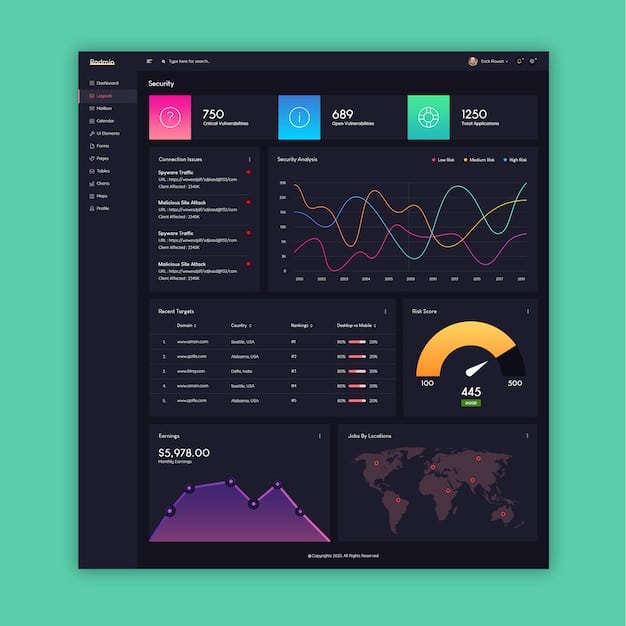
    A close-up of a computer screen displaying a complex financial dashboard populated with AI-generated insights and real-time data charts. The interfaces shows a user-friendly design, hinting at the accessibility of AI-driven financial tools.

    Benefits of AI-Powered Automation

    One of the primary advantages of implementing AI in financial reporting is increased efficiency. AI algorithms can process vast amounts of data in a fraction of the time it would take a human, significantly reducing the reporting cycle.

    Furthermore, AI can identify anomalies and patterns in data that might be missed by human analysts, leading to more accurate and insightful reports. Here are a few of the key benefits:

    • Improved Accuracy: AI algorithms minimize human error in data entry and analysis.
    • Increased Efficiency: Automate repetitive tasks, freeing up resources.
    • Scalability: Handle large volumes of data without compromising speed or accuracy.
    • Enhanced Insights: Identify trends and patterns that drive strategic decision-making.

    In conclusion, the integration of AI into financial reporting offers a multitude of benefits, from improved accuracy and efficiency to enhanced insights and scalability. These advantages position AI as a crucial tool for businesses aiming to thrive in the modern financial environment.

    Key Features of Automated Financial Reporting Systems

    Automated financial reporting systems leverage various AI techniques to streamline reporting processes. Understanding these features is crucial for businesses looking to adopt these solutions effectively. These features are what make automated financial reporting such a viable option for businesses wanting more efficiency.

    The core functionality involves collecting, processing, and analyzing financial data from various sources to generate reports automatically. AI algorithms extract relevant data, validate its accuracy, and format it into standardized reports. A quality automated system should include all of these features.

    Core AI Capabilities

    Several key AI capabilities power these systems, including natural language processing (NLP), machine learning (ML), and robotic process automation (RPA). NLP enables systems to understand and interpret financial documents and transactions, while ML algorithms can identify patterns, predict trends, and detect anomalies in data. RPA automates repetitive tasks like data entry and reconciliation.

    • Natural Language Processing (NLP): Enables systems to understand financial documents and transactions.
    • Machine Learning (ML): Identifies patterns and predicts trends in financial data.
    • Robotic Process Automation (RPA): Automates repetitive tasks like data entry and reconciliation.
    • Data Integration: Seamlessly connect to various data sources, from ERP systems to bank statements.

    These features collectively contribute to the efficiency, accuracy, and scalability of automated financial reporting systems. Businesses can leverage these capabilities to improve their reporting processes and gain a competitive edge.

    Implementation Strategies for AI in Financial Reporting

    Implementing AI-powered automated financial reporting requires a strategic approach that considers organizational structure, data infrastructure, and stakeholder involvement. It is important to have a plan for successful integration and implementation of these new technologies.

    A phased approach, starting with pilot projects and gradually expanding to other areas, is often recommended to minimize risks and ensure a smooth transition. Training and change management are also essential to prepare the workforce for the new technologies and processes.

    A visual representation of a data pipeline, showing sources of financial data flowing through an AI-powered processing engine, resulting in dynamically updated reports and dashboards. The image emphasizes the continuous flow of information and automated processing.

    Steps to Successful Implementation

    Assess your current financial reporting processes to identify areas where AI can deliver the most value. This may involve analyzing data workflows, identifying bottlenecks, and evaluating the accuracy and timeliness of reports. Also consider beginning the process by investing in the proper technologies.

    A clear roadmap will help guide the implementation process, setting realistic goals, defining milestones, and allocating resources effectively. Here are some key steps for a successful implementation:

    • Assess Current Processes: Identify areas where AI can provide the most value.
    • Develop a Roadmap: Define clear goals, milestones, and resource allocation.
    • Choose the Right Solution: Select an AI-powered reporting system that aligns with your needs and budget.
    • Train Your Team: Provide comprehensive training on the new technologies and processes.

    In summary, successful implementation of AI in financial reporting requires careful planning, a phased approach, and a commitment to change management. By following these steps, businesses can effectively leverage AI to transform their financial reporting processes and achieve significant gains.

    Overcoming Challenges in AI Adoption

    While the benefits of AI in financial reporting are clear, there are also challenges that businesses need to address. Data quality, security, and regulatory compliance are major concerns that must be carefully managed. These are serious considerations that cannot be ignored.

    Building trust in AI-driven insights is also essential. Financial professionals need to understand how AI algorithms work and be confident in the accuracy and reliability of the results. It is a big change from traditional reporting methods, and some employees may be resistant to the change.

    Addressing Key Concerns

    Data quality is crucial for AI to generate accurate and reliable reports. Businesses need to ensure that their data is clean, consistent, and properly formatted. This may involve investing in data cleansing tools and establishing standardized data governance policies. Without proper data management the whole system will fail.

    Addressing these concerns is critical to ensuring the successful adoption of AI in financial reporting. Here are some strategies for overcoming these challenges:

    • Data Quality Management: Implement data cleansing tools and standardized data governance policies.
    • Cybersecurity Measures: Employ robust security protocols to protect sensitive financial data.
    • Regulatory Compliance: Stay updated on relevant regulations and ensure AI systems comply.

    In conclusion, addressing data quality, security, and regulatory compliance concerns is essential for businesses looking to embrace AI in financial reporting. By implementing robust data management practices and staying informed about regulatory changes, businesses can overcome these challenges and fully leverage the benefits of AI.

    Future Trends in AI and Financial Reporting

    The future of financial reporting is undeniably intertwined with advancements in AI. As AI technology continues to evolve, we can expect more sophisticated and integrated solutions that further transform the financial landscape. These solutions are likely to make reporting even more accurate and efficient.

    Predictive analytics, personalized reporting, and real-time insights are just some of the trends that are expected to shape the future of financial reporting. These trends promise to provide businesses with more timely and actionable information for decision-making.

    Emerging AI Technologies

    Explainable AI (XAI) is another important trend that aims to make AI algorithms more transparent and understandable. XAI allows financial professionals to see how AI models arrive at their conclusions, increasing trust and confidence in the results. This is especially important for applications like fraud detection and risk assessment.

    Looking ahead, here are some potential future trends in AI and financial reporting:

    • Predictive Analytics: Forecast future financial performance based on historical data.
    • Personalized Reporting: Tailor reports to meet the specific needs of different stakeholders.
    • Explainable AI (XAI): Increase transparency and trust in AI algorithms.
    • Real-Time Insights: Access up-to-date financial information for immediate decision-making.

    In summary, the future of financial reporting is poised for significant advancements with emerging AI technologies like predictive analytics, personalized reporting, and XAI. By embracing these trends, businesses can unlock new levels of efficiency, accuracy, and insight in their financial operations.

    Case Studies: Successful AI Implementation in Finance

    Real-world examples of companies that have successfully implemented AI in financial reporting can provide valuable lessons and insights for others. These case studies demonstrate the tangible benefits of AI adoption and offer a roadmap for successful implementation.

    These companies have achieved significant improvements in efficiency, accuracy, and decision-making by leveraging AI. Their experiences illustrate the transformative potential of AI in the financial industry.

    Examples of AI Adoption

    One example is a large multinational corporation that implemented an AI-powered system for automating tax compliance. The system uses NLP to extract data from tax documents, ML to identify potential tax risks, and RPA to automate the filing process. This resulted in a 50% reduction in tax compliance costs and improved accuracy.

    Here are some more examples:

    • Automated Tax Compliance: Reduced compliance costs by 50% and improved accuracy.
    • Fraud Detection: Identified fraudulent transactions with 90% accuracy.
    • Risk Assessment: Improved risk management and compliance.
    • Improved Decision-Making: Provided insights to stakeholders.

    These real-world examples make it easier to see that AI implementation can provide significant improvement in speed and accuracy. They are a great indication that AI’s transformation of financial reporting and other financial fields is already well underway.

    Key Point Brief Description
    🚀 Increased Efficiency Automate tasks to speed up financial reporting.
    ✅ Improved Accuracy Reduce errors in data entry and analysis using AI.
    📊 Enhanced Insights Gain deeper insights with AI-driven data analysis.
    🛡️ Compliance Ensure regulatory compliance with automated checks.

    Frequently Asked Questions (FAQ)

    What is automated financial reporting?

    Automated financial reporting uses technology to streamline the process of creating financial reports. It reduces manual effort and improves accuracy and efficiency.

    How does AI improve financial reporting accuracy?

    AI algorithms minimize human error during data entry and analysis. In turn, this leads to more accurate and reliable financial reports. AI ensures precision and consistency in reporting.

    What are the main challenges in adopting AI for financial reporting?

    Key challenges include ensuring data quality, addressing security concerns, and maintaining regulatory compliance. Overcoming these takes the right strategies and planning.

    What role does Robotic Process Automation (RPA) play in it?

    RPA automates repetitive tasks like data entry and reconciliation, freeing up financial professionals for strategic activities. This frees up time and improves overall efficiency.

    How can Explainable AI (XAI) increase trust in it?

    XAI makes AI algorithms transparent, allowing users to understand how AI arrives at its conclusions. This transparency builds trust and confidence in the accuracy of AI results.

    Conclusion

    The integration of AI into financial reporting represents a significant advancement, offering businesses the opportunity to enhance efficiency, accuracy, and strategic decision-making. By embracing AI-powered solutions, companies can transform their financial processes and gain a competitive edge in today’s dynamic market.


  • AI-Driven HR: Slash Hiring Time by 50% with Automation

    AI-Driven HR: Slash Hiring Time by 50% with Automation

    AI-Driven HR Automation: Reduce Hiring Time by 50% with Automated Screening and Onboarding transforms recruitment by streamlining candidate selection and onboarding processes, leveraging artificial intelligence to significantly decrease the time and resources traditionally required.

    In today’s fast-paced business environment, the efficiency of your HR department can make or break your company’s success. Imagine cutting your hiring time in half while simultaneously improving the quality of your new hires. This is the promise of AI-Driven HR Automation: Reduce Hiring Time by 50% with Automated Screening and Onboarding, a game-changing approach that leverages the power of artificial intelligence to transform your recruitment processes. Let’s explore how this technology can revolutionize your HR strategies.

    Understanding AI-Driven HR Automation

    AI-driven HR automation is more than just the latest buzzword; it’s a fundamental shift in how HR departments operate. By utilizing artificial intelligence, companies can automate repetitive tasks, make data-driven decisions, and enhance the overall employee experience. This leads to significant improvements in efficiency, accuracy, and cost savings.

    Key Components of AI in HR

    Several key areas of HR benefit from AI automation. These include:

    • Screening and shortlisting candidates
    • Automated interview scheduling
    • Onboarding and training
    • Performance management

    Benefits of Automation

    Implementing AI in HR offers numerous advantages. It’s crucial to understand these to fully appreciate its transformative potential.

    • Reduced time-to-hire: AI algorithms can sift through resumes and applications much faster than human recruiters.
    • Improved candidate quality: AI can identify candidates who are likely to succeed based on historical data and performance metrics.
    • Enhanced employee engagement: Automated onboarding and training programs can improve employee satisfaction.
    • Cost savings: By automating repetitive tasks, HR professionals can focus on more strategic initiatives, reducing overall costs.

    In conclusion, understanding the fundamentals of AI-driven HR automation is the first step in realizing its potential to revolutionize your HR processes. By leveraging these technologies, companies can achieve significant gains in efficiency, accuracy, and employee satisfaction, all while reducing costs.

    The Impact on Time-to-Hire

    One of the most significant benefits of AI-driven HR automation is the dramatic reduction in time-to-hire. Traditional recruitment processes can be lengthy and cumbersome, often taking weeks or even months to fill a single position. AI can streamline these processes, cutting the time-to-hire by as much as 50%.

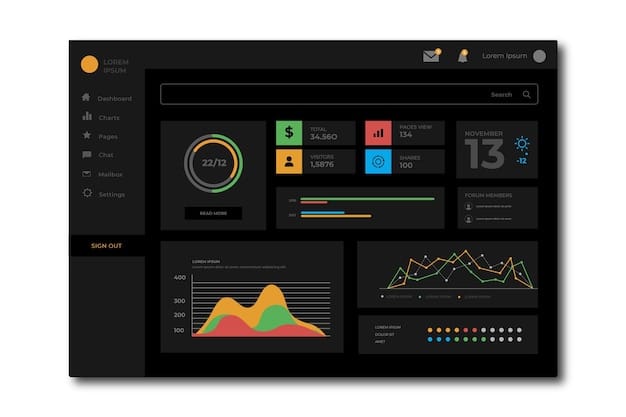
    A digital dashboard displaying key HR metrics, including a prominent indicator showing a 50% reduction in time-to-hire, along with charts illustrating improvements in candidate quality and employee satisfaction.

    How AI Reduces Time-to-Hire

    AI achieves this reduction through several key mechanisms:

    • Automated resume screening: AI algorithms can quickly scan thousands of resumes, identifying candidates who meet the specified criteria.
    • Chatbot-driven interviews: AI-powered chatbots can conduct initial screening interviews, assessing candidates’ skills and qualifications.
    • Predictive analytics: AI can analyze historical data to predict which candidates are most likely to be a good fit for the company.

    Case Studies: Real-World Examples

    Numerous companies have already experienced the benefits of AI-driven HR automation. For example, a major tech company reduced its time-to-hire by 40% by implementing an AI-powered screening tool. Similarly, a large retail chain used AI chatbots to conduct initial interviews, resulting in a 30% reduction in time-to-hire.

    In summary, the impact of AI on time-to-hire is substantial, with many companies reporting significant reductions in the time it takes to fill open positions. This leads to reduced costs, improved efficiency, and a more competitive workforce.

    Automated Screening: Finding the Right Candidates Faster

    Automated screening is a critical component of AI-driven HR automation. It involves using AI algorithms to sift through resumes and applications, identifying candidates who meet the specified criteria. This process is much faster and more efficient than manual screening, allowing HR professionals to focus on more strategic tasks.

    The Role of AI in Screening

    AI algorithms can analyze resumes and applications based on a variety of factors, including skills, experience, education, and keywords. This allows them to quickly identify candidates who are a good fit for the position.

    Benefits of Automated Screening

    • Increased efficiency: AI can screen thousands of resumes in a matter of minutes, saving HR professionals countless hours.
    • Improved accuracy: AI algorithms are less likely to make mistakes than human recruiters, ensuring that the best candidates are identified.
    • Reduced bias: AI can be programmed to eliminate bias from the screening process, ensuring that all candidates are evaluated fairly.

    Automated resume screening tools often integrate seamlessly with applicant tracking systems (ATS). This integration streamlines the hiring process, providing a centralized platform for managing applications and communicating with candidates.

    In conclusion, automated screening is a vital tool for HR departments looking to improve their efficiency and effectiveness. By leveraging AI, companies can identify the best candidates faster and more accurately, leading to better hiring decisions and a more competitive workforce.

    Streamlining Onboarding with AI

    Onboarding is a critical process for integrating new hires into the company and ensuring they are set up for success. Traditional onboarding processes can be time-consuming and inconsistent. AI can streamline these processes, providing a more efficient and engaging experience for new employees.

    How AI Enhances Onboarding

    AI can personalize the onboarding experience by tailoring content and training materials to the individual needs of each employee. AI-powered chatbots can answer common questions, provide guidance, and ensure that new hires have the information they need to succeed.

    • Personalized onboarding plans
    • Automated task assignments
    • AI-driven chatbots for support

    Best Practices for AI-Driven Onboarding

    To maximize the benefits of AI-driven onboarding, companies should follow these best practices:

    • Define clear goals and objectives for the onboarding process.
    • Personalize the onboarding experience as much as possible.
    • Provide ongoing support and guidance to new hires.

    A new employee using a tablet to complete an AI-driven onboarding module, featuring interactive tutorials and personalized welcome messages. The background shows a supportive colleague offering assistance.

    By implementing AI-driven onboarding, companies can create a more engaging and effective experience for new hires, leading to improved employee satisfaction and retention.

    In summary, AI-driven onboarding is a powerful tool for improving the integration of new hires into the company. By leveraging AI, companies can create a more personalized and effective onboarding experience, leading to improved employee satisfaction, retention, and productivity.

    Overcoming Challenges and Implementation Strategies

    While AI-driven HR automation offers numerous benefits, it also presents challenges that companies must address. These challenges include data privacy concerns, the need for employee training, and the potential for bias in AI algorithms. Developing effective implementation strategies is crucial for success.

    Addressing Data Privacy Concerns

    Data privacy is a major concern when using AI in HR. Companies must ensure that they are collecting and using data in a responsible and ethical manner. This includes obtaining consent from employees and candidates, protecting sensitive data, and complying with relevant regulations and to do so consider:

    Implementing robust data security measures, conducting regular audits, and establishing clear data governance policies are all essential steps in protecting data privacy.

    • Address ethical considerations
    • Ensure transparency and accountability
    • Obtain consent from employees and candidates

    The Importance of Employee Training

    To successfully implement AI-driven HR automation, companies must invest in employee training. HR professionals need to be trained on how to use AI tools, interpret data, and make informed decisions. In addition, employees need to understand how AI will impact their roles and responsibilities. This training can include:

    Providing comprehensive training, communicating openly about the benefits of AI, and addressing employee concerns is crucial for ensuring a smooth transition.

    • Train HR professionals on how to use AI tools
    • Communicate openly about the benefits of AI
    • Address employee concerns

    In conclusion, by addressing these challenges and implementing effective strategies, companies can successfully integrate AI into their HR processes and realize its full potential.

    Future Trends in AI HR Automation

    The field of AI HR automation is constantly evolving, with new technologies and applications emerging all the time. Staying ahead of these trends is essential for companies looking to remain competitive and maximize the benefits of AI.

    Emerging Technologies

    Some of the emerging technologies in AI HR automation include:

    • AI-powered predictive analytics: These tools can predict employee attrition, identify high-potential employees, and optimize workforce planning.
    • Virtual reality (VR) training: VR can be used to create immersive training experiences that improve employee engagement and retention.
    • AI-driven wellness programs: These programs can personalize wellness initiatives based on individual employee needs, promoting employee health and well-being.

    The Role of Machine Learning

    Machine learning is playing an increasingly important role in AI HR automation. Machine learning algorithms can analyze vast amounts of data to identify patterns and insights that would be impossible for humans to detect. This enables companies to make more informed decisions and improve their HR processes.

    The Impact of AI on the HR Role

    AI is transforming the role of HR professionals, freeing them from repetitive tasks and allowing them to focus on more strategic initiatives. HR professionals will increasingly need to develop skills in data analysis, AI management, and change management.

    In summary, the future of AI HR automation is bright, with new technologies and applications constantly emerging. By staying ahead of these trends, companies can leverage AI to create a more efficient, effective, and engaging HR function.

    Key Point Brief Description
    ⏱️ Reduce Hiring Time AI automation can cut hiring time by up to 50% through efficient screening and onboarding.
    ✅ Improve Candidate Quality AI identifies top candidates using data-driven insights, leading to better hires.
    📊 Data-Driven Decisions AI provides valuable HR analytics, aiding in strategic decision-making.
    🤖 Automated Onboarding AI streamlines the onboarding process, enhancing new employee engagement.

    FAQ

    How does AI reduce hiring time?

    AI automates resume screening, conducts initial interviews via chatbots, and uses predictive analytics to quickly identify qualified candidates, greatly reducing the time-to-hire.

    What are the benefits of AI-driven onboarding?

    AI enhances onboarding by personalizing content, automating task assignments, and supporting new hires through AI-driven chatbots, improving their integration and job satisfaction.

    How does AI improve candidate quality?

    By analyzing historical data and performance metrics, AI identifies candidates most likely to succeed, leading to better hiring decisions and a more competitive workforce.

    What are the challenges of implementing AI in HR?

    Key challenges include data privacy concerns, the need for employee training on new AI tools, and the potential for bias in AI algorithms, requiring careful management.

    What future trends can we expect in AI HR automation?

    Expect to see more AI-powered predictive analytics, virtual reality training, and AI-driven wellness programs, transforming the HR role with data-driven insights.

    Conclusion

    AI-Driven HR Automation: Reduce Hiring Time by 50% with Automated Screening and Onboarding is revolutionizing HR practices by streamlining recruitment processes, improving candidate quality, and enhancing employee engagement. As AI continues to evolve, its impact on HR functions will only grow, making it an indispensable tool for companies seeking to optimize their workforce and gain a competitive edge.

  • Enhance Training Programs with AI: Personalize Learning & Boost Retention

    Enhance Training Programs with AI: Personalize Learning & Boost Retention

    Enhance Training Programs using AI automation allows for personalized employee training, adapting to individual learning styles and paces, which can lead to a significant improvement in employee retention rates, potentially boosting it by 15% through more engaging and effective learning experiences.

    Enhance Training Programs: Personalize Employee Training with AI Automation and Improve Retention by 15% is no longer just a futuristic concept; it’s a tangible strategy that businesses can implement today. By leveraging the power of artificial intelligence, companies can create more engaging, effective, and personalized training experiences for their employees, leading to higher retention rates.

    Why Personalize Employee Training?

    Personalized employee training acknowledges that not all employees learn the same way or at the same pace. By tailoring the training experience to the individual, businesses can improve knowledge retention, engagement, and overall effectiveness. This approach ensures that employees receive the information and skills they need in a way that resonates with them, leading to better performance and job satisfaction.

    Benefits of Personalized Training

    Personalized training offers numerous benefits over traditional, one-size-fits-all approaches. Here are some of the key advantages:

    • Improved Engagement: Tailored content keeps employees more interested and involved.
    • Increased Knowledge Retention: Personalized learning experiences help employees retain information more effectively.
    • Enhanced Skills Development: Focused training ensures employees develop the specific skills they need for their roles.
    • Higher Job Satisfaction: Employees appreciate the investment in their individual growth and development.

    As companies grow, they must create training programs to allow internal mobility. These programs should be personalized to retain employees.

    The Role of AI Automation

    AI automation plays a crucial role in making personalized training programs scalable and efficient. AI-powered systems can analyze employee data, identify learning preferences, and automatically deliver customized content and learning paths. This not only saves time and resources but also ensures that each employee receives the most relevant and impactful training experience.

    A data dashboard displaying personalized training progress for individual employees. Charts show skill levels, completion rates, and areas for improvement. An AI algorithm icon is subtly displayed in the background, symbolizing the analytics driving the personalization.

    Key AI Capabilities in Training

    AI brings a range of capabilities to the table, transforming how training programs are designed and delivered:

    • Adaptive Learning: AI algorithms adjust the difficulty and content based on the employee’s performance.
    • Personalized Content Delivery: AI curates and delivers training materials that align with individual learning styles and needs.
    • Performance Tracking: AI monitors employee progress and provides insights into areas that need improvement.
    • Automated Feedback: AI offers real-time feedback and guidance to help employees learn and grow.

    AI helps training become more agile, targeted, and effective.

    Implementing AI-Driven Personalization

    To successfully implement AI-driven personalization in your training programs, it’s essential to follow a structured approach. This involves assessing your current training needs, selecting the right AI tools, and integrating them seamlessly into your existing learning ecosystem. A well-planned implementation ensures that your efforts yield the desired results.

    Steps to Implementing AI in Training

    Start implementing AI into training in order to achieve the best results for your company. These steps will allow you to generate personalized, and effective training methods

    1. Assess Training Needs: Understand your organization’s specific training gaps and objectives.
    2. Select AI Tools: Choose AI-powered learning platforms or tools that align with your needs and budget.
    3. Integrate with Existing Systems: Ensure seamless integration with your current learning management system (LMS).
    4. Gather Employee Data: Collect data on employee skills, learning preferences, and performance.
    5. Develop Personalized Content: Create or customize training materials to cater to individual needs.
    6. Launch and Monitor: Deploy the AI-driven training program and track its effectiveness.

    It is essential to measure the effectiveness of your AI training.

    Measuring the Impact on Employee Retention

    One of the primary goals of personalized training is to improve employee retention. To measure the impact of AI-driven personalization, it’s crucial to track key metrics such as employee turnover rates, engagement scores, and training completion rates. By analyzing these metrics, you can determine the effectiveness of your training programs and make data-driven improvements.

    A line graph illustrating the increase in employee retention rates after implementing AI-personalized training. The graph shows a clear upward trend, with data points highlighting the percentage increase over time.

    Key Metrics to Track

    Measuring how your training program is effective is incredibly important to track.

    • Employee Turnover Rate: Track the percentage of employees who leave the company over a given period.
    • Engagement Scores: Measure employee engagement through surveys, feedback, and participation rates.
    • Training Completion Rates: Monitor the percentage of employees who complete their assigned training modules.
    • Performance Metrics: Assess employee performance through performance reviews and key performance indicators (KPIs).

    Improving these metrics will prove overall improvement.

    The Future of AI in Employee Training

    The future of AI in employee training is promising, with ongoing advancements in AI technology paving the way for even more personalized and immersive learning experiences. As AI continues to evolve, we can expect to see more sophisticated training programs that adapt in real time to individual needs, provide predictive insights, and offer seamless integration with other business systems.

    Emerging Trends in AI Training

    Several exciting trends are shaping the future of AI in employee training:

    • Virtual Reality (VR) and Augmented Reality (AR): Immersive technologies are enhancing training experiences by creating realistic simulations.
    • Microlearning: Bite-sized learning modules are delivered just in time, making learning more convenient and effective.
    • AI-Powered Coaching: AI is providing personalized coaching and mentoring to help employees grow and develop.
    • Predictive Analytics: AI is predicting future skill gaps and recommending training to address them proactively.

    These trends signal a more personalized and adaptive approach to employee development.

    Overcoming Challenges and Ensuring Success

    While AI offers tremendous potential for enhancing training programs, it’s essential to be aware of the challenges and take steps to mitigate them. This includes addressing data privacy concerns, ensuring equitable access to training opportunities, and providing adequate support for employees as they adapt to new learning technologies. Addressing these challenges will contribute to the overall success of your AI-driven training initiatives.

    Addressing Potential Challenges

    Here are some potential obstacles and how to overcome them:

    • Data Privacy: Implement robust data protection policies and ensure compliance with privacy regulations.
    • Equitable Access: Provide training opportunities that are accessible to all employees, regardless of their location or background.
    • Technology Adoption: Offer training and support to help employees adapt to new learning technologies.
    • Content Quality: Ensure that training content is accurate, relevant, and engaging.

    Implementing effective strategies for the above components will contribute to successful AI driven training programs.

    Case Studies: AI Training Success Stories

    Numerous organizations have already experienced significant success by implementing AI-driven personalized training programs. These case studies demonstrate the tangible benefits of AI in enhancing employee learning, improving retention rates, and driving business outcomes. By learning from these examples, you can gain valuable insights and inspiration for your own AI training initiatives.

    Real-world examples showcase the power of AI in training.

    Key Point Brief Description
    🎯Personalization Tailoring training to individual needs boosts engagement.
    🤖AI Automation AI delivers customized content efficiently.
    📈Retention Impact Personalized training improves employee retention.
    📊Metrics Tracking Monitor key metrics to assess training effectiveness.

    Frequently Asked Questions

    How does AI personalize training programs?

    AI personalizes training by analyzing employee data, learning preferences, and performance metrics. It then adapts the content, difficulty, and delivery method to suit individual needs, ensuring a more effective and engaging learning experience.

    What types of AI tools are used in employee training?

    Several AI tools are used, including adaptive learning platforms, content curation systems, performance tracking software, and AI-powered coaching tools. These tools help automate and enhance various aspects of the training process.

    How can I measure the effectiveness of AI-driven training?

    The effectiveness can be measured by tracking key metrics, such as employee turnover rates, engagement scores, training completion rates, and performance metrics. Analyzing these metrics provides insights into the impact of the training program.

    What are the potential challenges of using AI in training?

    Data privacy concerns, equitable access to training, technology adoption, and content quality are potential challenges. Addressing these issues through robust policies, accessible opportunities, and adequate support can mitigate these challenges.

    What is the future of AI in employee training?

    The future involves more personalized, immersive learning experiences using VR/AR, microlearning, AI-powered coaching, and predictive analytics. These advancements will make training more adaptive and integrated with business systems.

    Conclusion

    Embracing AI automation to enhance training programs is a strategic move that can lead to significant improvements in employee engagement, knowledge retention, and ultimately, retention rates. By personalizing the learning journey, businesses can create a workforce that is not only highly skilled but also deeply invested in the company’s success, paving the way for sustained growth and competitiveness.

  • Automated Code Generation: Boost Software Development 2x Faster

    Automated Code Generation: Boost Software Development 2x Faster

    Automated code generation accelerates software development by leveraging AI to produce code, reducing development time and enhancing efficiency in creating software applications.

    In today’s fast-paced tech landscape, efficiency is key. Automated code generation: develop software applications 2x faster with AI-assisted coding is revolutionizing how software is created, offering developers a significant boost in productivity and speed.

    Understanding Automated Code Generation

    Automated code generation refers to the process of using software to automatically generate source code based on models, templates, or specifications. This approach significantly reduces the manual effort involved in coding, allowing developers to focus on more strategic tasks.

    The primary goal of automated code generation is to increase efficiency and reduce errors in the software development lifecycle. By automating repetitive or standardized coding tasks, developers can minimize the time spent on these activities and concentrate on designing complex algorithms and architectures.

    Benefits of Automated Code Generation

    Automating the code generation process offers several key advantages, making it an attractive option for many development teams.

    • Increased Productivity: Automating code generation can dramatically increase the speed at which software is developed, enhancing overall productivity.
    • Reduced Errors: Automated systems are less prone to human error, ensuring higher code quality and reliability.
    • Cost Savings: By reducing development time and minimizing errors, automated code generation can lead to significant cost savings.
    • Faster Time-to-Market: Accelerated development cycles mean products can be launched more quickly, providing a competitive edge.

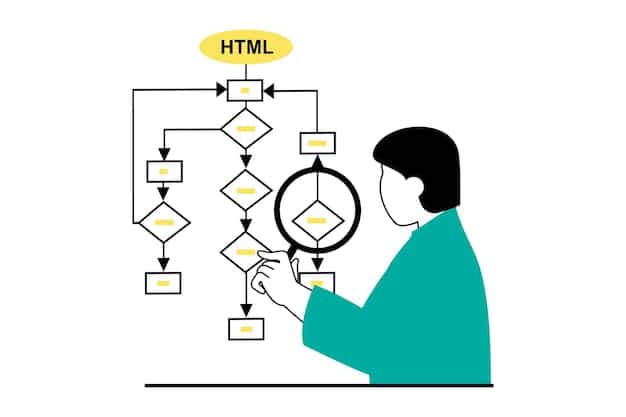
    A flowchart illustrating the process of automated code generation, starting from input (specifications, models) to output (source code), highlighting the key steps in between: parsing, transformation, and generation.

    In summary, automated code generation offers a powerful set of tools and methodologies that can transform the software development process, making it faster, more efficient, and more reliable. Embracing automated code generation can provide a competitive advantage in today’s demanding tech industry.

    The Role of AI in Code Generation

    Artificial intelligence (AI) is playing an increasingly critical role in code generation, pushing the boundaries of what’s possible and enabling more sophisticated and efficient development processes.

    AI-assisted coding goes beyond simple template-based generation, leveraging machine learning algorithms to understand complex patterns, anticipate coding needs, and generate more intelligent and optimized code. This level of automation can handle a broader range of tasks and significantly reduce the need for manual intervention.

    How AI Enhances Code Generation

    AI enhances code generation in several key ways, leading to improved efficiency and quality.

    • Intelligent Code Completion: AI can predict and suggest code completions based on context, accelerating the coding process and reducing errors.
    • Automated Bug Detection: AI algorithms can analyze code for potential bugs and vulnerabilities, improving code quality and security.
    • Code Optimization: AI can identify and implement optimizations to improve the performance and efficiency of generated code.
    • Cross-Platform Development: AI can assist in generating code that is compatible with multiple platforms, streamlining cross-platform development efforts.

    AI’s role in code generation is continuously expanding, driven by advances in machine learning and natural language processing. As AI technologies evolve, they will likely play an even more significant role in shaping the future of software development.

    Key Technologies and Tools

    Several technologies and tools are driving the adoption of automated code generation. These tools offer various capabilities, from simple code templates to sophisticated AI-powered solutions.

    Selecting the right tool depends on specific project requirements, the complexity of the application being developed, and the desired level of automation. Understanding the capabilities and limitations of each tool is essential for successful implementation.

    Popular Code Generation Tools

    Some of the popular tools and technologies used in automated code generation include:

    • GitHub Copilot: An AI-powered code completion tool that suggests code snippets and entire functions based on context and natural language input.
    • Tabnine: A deep-learning code completion tool that offers personalized suggestions based on coding style and project context.
    • GPT-3 and Codex: Natural language processing models that can generate code from simple English descriptions.
    • Webflow: a web development tool that allows you to create a website without writing any code.

    A collage showcasing the logos of popular automated code generation tools and technologies: GitHub Copilot, Tabnine, and GPT-3/Codex, each set against a background of code snippets.

    These technologies and tools represent the forefront of automated code generation, offering developers unprecedented capabilities for creating software more efficiently and effectively. By leveraging these resources, development teams can achieve significant gains in productivity and innovation.

    Implementing Automated Code Generation

    Implementing automated code generation requires careful planning and a strategic approach to ensure that it aligns with project goals and development workflows.

    Effective implementation involves identifying suitable tasks for automation, selecting the appropriate tools, and integrating them seamlessly into the development environment. It also requires training developers to use these tools effectively and adapt their coding practices accordingly.

    Steps for Successful Implementation

    Follow these steps to ensure the successful implementation of automated code generation:

    1. Identify Automation Opportunities: Determine which tasks are repetitive, standardized, or time-consuming and can benefit from automation.
    2. Select the Right Tools: Choose tools that match the project requirements, development environment, and team expertise.
    3. Integrate with Existing Workflows: Ensure that the automated code generation process integrates smoothly with existing development workflows and version control systems.
    4. Train Developers: Provide training and support to help developers effectively use the tools and adapt their coding practices.

    By following these steps and carefully managing the implementation process, development teams can realize the full benefits of automated code generation and transform their software development practices.

    Challenges and Considerations

    While automated code generation offers numerous benefits, it also presents several challenges and considerations that development teams must address.

    Ensuring code quality, maintaining flexibility, and managing dependencies are crucial aspects of successful automated code generation. Overcoming these challenges requires a strategic approach and a commitment to continuous improvement.

    Common Challenges in Code Generation

    Some of the common challenges and considerations in automated code generation include:

    • Code Quality: Ensuring that the generated code meets the required quality standards and follows best practices.
    • Flexibility: Maintaining the ability to customize and modify the generated code as needed.
    • Dependency Management: Managing dependencies and ensuring that the generated code is compatible with existing libraries and frameworks.
    • Training and Adoption: Ensuring that developers are properly trained and willing to adopt the new tools and processes.

    Future Trends in Automated Code Generation

    The field of automated code generation is continuously evolving, driven by advances in AI, machine learning, and software engineering. Staying abreast of these trends is essential for development teams looking to leverage the latest technologies and gain a competitive edge.

    Future trends in automated code generation are likely to focus on enhanced AI capabilities, improved integration with DevOps practices, and increased adoption of low-code and no-code platforms. These trends will shape the future of software development and enable new levels of efficiency and innovation.

    Emerging Trends in Code Generation

    Some of the emerging trends in automated code generation include:

    • Enhanced AI-Powered Coding: Further advancements in AI algorithms will enable more intelligent and context-aware code generation.
    • Integration with DevOps Practices: Seamless integration with DevOps pipelines will streamline the software development lifecycle.
    • Low-Code and No-Code Platforms: Increased adoption of low-code and no-code platforms will empower citizen developers to create applications more easily.

    Key Aspect Brief Description
    🚀 Productivity Boost Automated generation reduces coding time.
    🤖 AI Integration AI enhances code quality and efficiency.
    🛠️ Tools and Tech Various tools aid in automated code generation.
    ⚙️ Implementation Strategic planning ensures successful integration.

    Frequently Asked Questions (FAQ)

    What is automated code generation?

    Automated code generation is the process of using software tools to automatically generate source code. This can dramatically reduce manual coding efforts.

    How does AI enhance code generation?

    AI improves code generation through intelligent code completion, automated bug detection, and code optimization, leading to higher-quality and more efficient code.

    What are some popular code generation tools?

    Popular tools include GitHub Copilot, Tabnine, and GPT-3/Codex, each offering unique features and capabilities for automating code generation.

    What are the challenges of implementing automated code generation?

    Challenges include ensuring code quality, maintaining flexibility, and managing dependencies to avoid conflicts and ensure compatibility.

    What are the future trends in automated code generation?

    Future trends involve enhanced AI-powered coding, integration with DevOps practices, and the increased adoption of low-code and no-code platforms.

    Conclusion

    Automated code generation is transforming the software development landscape, offering unprecedented opportunities for increased productivity, reduced costs, and faster time-to-market. By embracing AI-assisted coding and leveraging the right tools and technologies, development teams can revolutionize their workflows and achieve new levels of efficiency and innovation.

  • Automated Data Analysis: AI Uncovers Insights 50% Faster in the US

    Automated Data Analysis: AI Uncovers Insights 50% Faster in the US

    Automated data analysis in the US market is revolutionizing how businesses extract insights and trends, leveraging AI to accelerate the process by 50% and enabling faster, more informed decision-making.

    The US market is witnessing a surge in the adoption of automated data analysis: Uncover hidden insights and trends 50% faster with AI in the US market. This transformative approach is reshaping industries, providing companies with a competitive edge through rapid, insightful data processing. By automating complex analytical tasks, businesses can unlock valuable patterns, predict future outcomes, and optimize their strategies more efficiently.

    The Rise of Automated Data Analysis in the US

    Automated data analysis is rapidly becoming a cornerstone of business intelligence in the US. By leveraging artificial intelligence and machine learning, companies are streamlining their data processing workflows, gaining deeper insights, and making more informed decisions. This shift is driven by the increasing volume and complexity of data, which traditional methods struggle to handle effectively.

    Key Drivers of Adoption

    Several factors are contributing to the widespread adoption of automated data analysis in the US market. These include advancements in AI technology, the growing availability of data, and the increasing need for real-time insights.

    • AI Advancements: Improved algorithms and processing power have made AI-driven analysis more accurate and efficient.
    • Data Availability: The explosion of data from various sources provides a rich foundation for automated analysis.
    • Real-Time Insights: Businesses need to quickly adapt to market changes, driving the demand for real-time data insights.

    Benefits for Businesses

    Automated data analysis offers numerous benefits for businesses operating in the US market. These advantages range from improved efficiency and cost savings to enhanced decision-making and competitive advantage.

    In conclusion, the rise of automated data analysis in the US is transforming the way businesses operate. Its ability to provide faster, more accurate insights is driving its adoption across various industries.

    Understanding AI’s Role in Data Analysis

    Artificial intelligence plays a crucial role in automating data analysis. AI algorithms can perform a wide range of tasks, including data cleaning, pattern recognition, and predictive modeling, all without human intervention. This allows businesses to unlock valuable insights from their data more quickly and efficiently.

    A close-up depiction of an AI neural network processing complex data visually represented as interconnected nodes and lines, emphasizing AI's role in data analysis. The image should highlight the intricate nature of AI algorithms and their ability to identify patterns.

    How AI Automates Analysis

    AI algorithms automate data analysis by learning from data and identifying patterns. This process involves several key steps, including data preparation, feature extraction, and model training.

    • Data Preparation: AI algorithms automatically clean and preprocess data, ensuring accuracy and consistency.
    • Feature Extraction: AI identifies relevant features in the data, reducing dimensionality and improving model performance.
    • Model Training: AI trains models to recognize patterns and make predictions based on historical data.

    Types of AI Algorithms Used

    Various AI algorithms are used in automated data analysis, each with its strengths and weaknesses. Common types include machine learning algorithms, natural language processing (NLP), and computer vision.

    Machine learning algorithms are used to predict outcomes, classify data, and uncover hidden patterns. Natural language processing enables computers to understand and process human language, allowing businesses to analyze text data effectively. Computer vision allows computers to “see” and interpret images, enabling automated image analysis.

    In summary, AI’s role in data analysis is transformative, automating complex tasks and unlocking valuable insights that would otherwise be impossible to obtain.

    Key Features of Automated Data Analysis Tools

    Automated data analysis tools offer a range of features designed to streamline data processing and enhance insights. These features can include data visualization, predictive analytics, and real-time reporting.

    Data Visualization Capabilities

    Data visualization is a critical component of automated data analysis tools. These tools provide interactive dashboards and charts that enable users to explore data and identify patterns more effectively.

    By presenting data visually, businesses can quickly understand trends, identify outliers, and communicate insights to stakeholders. Data visualization tools also allow users to drill down into the data, providing more detailed analysis.

    Predictive Analytics and Modeling

    Predictive analytics and modeling are advanced features that use historical data to forecast future outcomes. These capabilities enable businesses to anticipate market changes, optimize their strategies, and mitigate risks.

    Predictive models can be used in a variety of applications, including sales forecasting, customer churn prediction, and fraud detection. By leveraging these models, businesses can make data-driven decisions that improve their performance.

    Real-Time Reporting and Dashboards

    Real-time reporting and dashboards provide up-to-date information on key performance indicators (KPIs). These features allow businesses to monitor their operations, identify trends, and respond quickly to changes in the market.

    Real-time dashboards can be customized to display the most relevant information for each user, ensuring that stakeholders have access to the insights they need. In general, automated data analysis tools provide a comprehensive set of features that enable businesses to unlock the full potential of their data.

    A visually compelling dashboard interface showing real-time data analytics, with charts, graphs, and key performance indicators, highlighting the capabilities of automated data analysis tools. The image should convey the dynamic and informative nature of these tools.

    Benefits of 50% Faster Data Analysis

    The primary benefit of 50% faster data analysis is the ability to make quicker, more informed decisions. This speed advantage translates to numerous strategic and operational benefits for businesses.

    Improved Decision-Making Speed

    Faster data analysis allows businesses to react swiftly to market changes. This agility ensures that decisions are based on the most current data, reducing the risk of miscalculation and missed opportunities.

    Quick responses to market trends empower companies to adjust strategies in real-time, giving them a significant competitive advantage. Overall, improved decision-making speed is a critical benefit of faster data analysis.

    Cost Savings and Efficiency Gains

    Automating data analysis reduces manual effort, leading to significant cost savings. This efficiency allows resources to be reallocated to strategic initiatives, enhancing overall productivity.

    By automating repetitive tasks, businesses can minimize errors and improve the accuracy of their data. Cost savings achieved through automation can translate into increased profitability. Increased efficiency and cost reduction are typical outcomes of implementing faster data analysis systems.

    Enhanced Competitive Advantage

    The ability to analyze data rapidly provides a clear competitive advantage. Companies can anticipate market shifts, optimize product offerings, and personalize customer experiences more effectively.

    By leveraging data-driven insights, businesses can outperform their competitors and drive growth. Faster data analysis is a critical enabler of competitive success in today’s dynamic market.

    Use Cases in the US Market

    Automated data analysis is being applied across various sectors in the US market, revolutionizing how businesses operate and make decisions. These use cases demonstrate the versatility and impact of automated data analysis.

    Healthcare

    In healthcare, automated data analysis improves patient outcomes and optimizes clinical workflows. AI algorithms can analyze medical records, identify patterns, and predict patient risks, allowing healthcare providers to deliver more personalized and effective care.

    By automating data analysis, hospitals can reduce costs, improve efficiency, and enhance the quality of care. This reduces paperwork and enables doctors and administrative staff to focus on the patients.

    Financial Services

    Financial institutions are using automated data analysis to detect fraud, manage risk, and personalize customer services. AI algorithms can analyze transaction data, identify suspicious activities, and prevent fraudulent transactions.

    By automating data analysis, banks can improve their operational efficiency, reduce risks, and enhance customer satisfaction. AI systems also allow for personalized banking plans dependent on spending habits.

    Retail

    Retailers are leveraging automated data analysis to optimize inventory management, personalize marketing campaigns, and improve customer experiences. AI algorithms can analyze sales data, identify trends, and forecast demand, allowing retailers to optimize their inventory levels.

    By automating data analysis, retailers can improve their profitability, enhance customer loyalty, and gain a competitive edge. For example, marketing and advertising campaigns can now be tailored to consumers based on their interests.

    Implementing Automated Data Analysis

    Implementing automated data analysis involves several key steps, beginning with defining one’s objectives all the way to monitoring performance.

    Defining Objectives and KPIs

    Before implementing automated data analysis, businesses need to define their goals and objectives clearly. This involves identifying key performance indicators (KPIs) that will be used to measure success.

    By setting clear objectives, businesses can ensure that their data analysis efforts are focused and effective. Clear goals ensure that the analysis leads to quantifiable improvements.

    Choosing the Right Tools

    Selecting the right tools is critical for successful implementation. Businesses should consider factors such as data volume, complexity, and budget when choosing their initial programs.

    Many tools offer a range of features and capabilities, so it’s important to select ones that meet the specific needs of the business. This helps to ensure the most value, especially within limited budgets.

    Data Integration and Security

    Integrating data from various sources is essential for comprehensive analysis. Businesses must also ensure that their data is secure and compliant with relevant regulations.

    Data integration can be challenging, especially when dealing with disparate systems and formats. Therefore, businesses should invest in tools and processes that streamline data integration and ensure data quality. Security measures need to be addressed to protect sensitive data from unauthorized access.

    Key Point Brief Description
    🚀 AI-Driven Speed AI accelerates data analysis by 50%, enabling faster insights.
    🎯 Enhanced Accuracy Automated tools reduce errors and improve data quality.
    💰 Cost Savings Automation reduces manual effort and associated costs.
    📊 Real-Time Insights Dashboards provide up-to-date information for informed decisions.


    Automated Data Analysis: Uncover Hidden Insights and Trends 50% Faster with AI in the US Market
    What are the main benefits of automated data analysis?
    Automated data analysis offers improved decision-making speed, cost savings, and enhanced competitive advantage by processing data faster and more accurately.
    How does AI contribute to automated data analysis?
    AI automates data cleaning, pattern recognition, and predictive modeling, enabling businesses to reveal insights efficiently.
    What are some key features of automated data analysis tools?
    Key features include data visualization, predictive analytics, and real-time reporting, providing comprehensive insights and monitoring capabilities.
    In which industries in the US market is automated data analysis being used?
    Industries such as healthcare, financial services, and retail are leveraging automated data analysis to improve operations and decision-making.
    What are the key steps in implementing automated data analysis?
    Key steps include defining objectives, choosing the right tools, ensuring data integration, and monitoring performance to achieve successful implementation.
    Conclusion
    By leveraging AI to accelerate data processing, businesses in the US can unlock valuable insights, reduce costs, and gain a competitive edge. As the volume and complexity of data continue to grow, automated data analysis will become even more critical for success.
    Automated Data Analysis: Uncover Hidden Insights and Trends 50% Faster with AI in the US Market
    Início da área do botão
    Read more content
    Fim da área do botão

  • AI Inventory Management: Slash Stockouts by 25% with Automation

    AI Inventory Management: Slash Stockouts by 25% with Automation

    AI-driven inventory management revolutionizes stock control by leveraging artificial intelligence to automate replenishment processes, which can significantly reduce stockouts by up to 25%, enhancing efficiency and customer satisfaction.

    Is your business grappling with frequent stockouts and inefficient inventory management? AI-driven inventory management offers a transformative approach, promising to reduce stockouts by 25% through automated replenishment. Let’s explore how this technology can redefine your operational efficiency.

    Understanding AI-Driven Inventory Management

    AI-driven inventory management leverages the power of artificial intelligence to optimize stock levels and streamline replenishment processes. This intelligent approach moves beyond traditional forecasting methods, offering a more dynamic and responsive solution to inventory challenges.

    By analyzing vast datasets and identifying patterns, AI can predict demand with greater accuracy and automate the ordering process. This capability helps businesses maintain optimal inventory levels, reducing the risk of stockouts and minimizing excess stock.

    The Core Components of AI in Inventory

    At the heart of AI-driven inventory management are several key components that work in synergy to deliver enhanced performance. These components not only automate tasks but also improve decision-making through data-driven insights.

    • Predictive Analytics: Using machine learning algorithms to forecast future demand based on historical data, seasonal trends, and external factors.
    • Automated Replenishment: Triggering automatic orders when stock levels fall below predetermined thresholds, ensuring timely restocking.
    • Real-Time Monitoring: Providing up-to-the-minute visibility into inventory levels, sales data, and supply chain dynamics.
    • Optimization Algorithms: Continuously refining inventory parameters, such as safety stock levels and reorder points, to achieve optimal balance.

    The integration of these components empowers businesses to proactively manage their inventory, leading to significant improvements in operational efficiency and cost savings.

    A close-up of a dashboard displaying real-time inventory data with AI-driven predictions highlighted in charts and graphs. Emphasis on the visualization of data.

    Benefits of Automating Replenishment with AI

    Automating replenishment with AI brings a suite of benefits that can transform inventory management. By eliminating manual processes and leveraging intelligent algorithms, businesses can achieve greater accuracy, efficiency, and cost savings.

    Let’s take a closer look at the specific advantages of AI-driven automated replenishment and how they contribute to overall business success.

    Reduced Stockouts and Overstocking

    One of the primary benefits of AI in inventory management is the ability to minimize both stockouts and overstocking. AI algorithms analyze demand patterns and forecast future needs with greater precision, enabling businesses to maintain optimal stock levels.

    • Improved Demand Forecasting: AI algorithms analyze historical data, seasonal trends, and external factors to predict demand accurately.
    • Dynamic Safety Stock Levels: AI dynamically adjusts safety stock levels based on real-time data, reducing the risk of stockouts during peak demand periods.
    • Optimized Reorder Points: AI calculates the ideal reorder points based on lead times and demand forecasts, ensuring timely replenishment.
    • Real-Time Inventory Visibility: AI systems provide real-time visibility into inventory levels, allowing for proactive management and quick responses to changing conditions.

    Cost Savings and Increased Efficiency

    AI-driven automation not only reduces the risk of stockouts but also leads to significant cost savings and increased efficiency. By streamlining processes and optimizing inventory levels, businesses can minimize carrying costs, reduce waste, and improve overall profitability.

    In summary, automating replenishment with AI offers a powerful solution for businesses looking to optimize their inventory management, reduce costs, and improve customer satisfaction.

    How AI Algorithms Forecast Demand

    The accuracy of AI-driven inventory management relies heavily on the sophistication of its demand forecasting algorithms. These algorithms use a variety of techniques to analyze data and predict future demand with remarkable precision.

    Let’s explore the different types of AI algorithms used in demand forecasting and how they contribute to more accurate and reliable predictions.

    Types of AI Algorithms Used

    Several types of AI algorithms are commonly used in demand forecasting, each with its strengths and capabilities. These algorithms work together to provide a comprehensive view of demand patterns and future trends.

    • Machine Learning (ML): ML algorithms learn from data and improve their accuracy over time, making them ideal for forecasting complex demand patterns.
    • Neural Networks (NN): NNs are particularly effective at identifying non-linear relationships in data and can handle a wide range of variables.
    • Time Series Analysis: This technique analyzes historical data to identify trends, seasonality, and other patterns that can be used to predict future demand.
    • Regression Analysis: Regression analysis helps identify the relationships between different variables, such as price, promotions, and demand.

    Data Sources for AI Forecasting

    The accuracy of AI-driven demand forecasting also depends on the quality and quantity of data used. AI algorithms can analyze a wide range of data sources to identify patterns and trends that would be impossible for humans to detect.

    By leveraging these diverse data sources, AI algorithms can generate highly accurate demand forecasts, enabling businesses to optimize their inventory management and reduce the risk of stockouts.

    A diagram illustrating the flow of data through an AI-driven inventory management system. Showing data input, processing, and output.

    Implementing AI-Driven Inventory Management

    Implementing AI-driven inventory management requires careful planning and execution. It involves integrating AI algorithms with existing systems and processes, as well as ensuring that data is accurate and up-to-date.

    Here’s a step-by-step guide to help you successfully implement AI-driven inventory management in your organization.

    Step-by-Step Implementation Guide

    Implementing AI-driven inventory management involves several key steps, from assessing your current inventory management practices to integrating AI algorithms and training your staff.

    1. Assess Current Inventory Management: Evaluate your existing inventory management processes, identify pain points, and determine your goals for AI implementation.
    2. Choose the Right AI Solution: Research and select an AI-driven inventory management solution that meets your specific needs and budget.
    3. Data Integration and Preparation: Integrate your data sources, such as sales data, inventory levels, and supply chain information, and ensure that the data is clean and accurate.
    4. Algorithm Training and Testing: Train the AI algorithms using your historical data and test their accuracy to ensure they are providing reliable forecasts.
    5. System Integration: Integrate the AI solution with your existing systems, such as your ERP and CRM, to ensure seamless data flow and communication.
    6. Staff Training: Train your staff on how to use the AI system and interpret the data it provides.
    7. Continuous Monitoring and Optimization: Continuously monitor the performance of the AI system and optimize its parameters to improve accuracy and efficiency.

    By following these steps, you can successfully implement AI-driven inventory management and reap the benefits of reduced stockouts, cost savings, and increased efficiency.

    Overcoming Challenges in AI Adoption

    While AI-driven inventory management offers significant benefits, it’s essential to be aware of potential challenges and how to overcome them. These challenges can range from data quality issues to resistance from staff and integration complexities.

    Let’s explore some common challenges and strategies for addressing them to ensure a smooth and successful AI adoption.

    Common Pitfalls and Solutions

    Several common pitfalls can hinder the successful adoption of AI-driven inventory management. Addressing these challenges proactively can help ensure a smooth transition and maximize the benefits of AI.

    • Data Quality Issues: Ensure that your data is accurate, complete, and up-to-date by implementing data validation and cleansing processes.
    • Integration Complexities: Choose an AI solution that integrates seamlessly with your existing systems and work with experienced IT professionals to ensure a smooth integration.
    • Resistance from Staff: Involve your staff in the AI implementation process, provide thorough training, and communicate the benefits of AI to alleviate concerns and build support.
    • Lack of Expertise: Partner with AI experts or consultants to provide guidance and support during the implementation process.

    By addressing these challenges proactively, you can minimize disruptions, maximize the benefits of AI, and achieve a successful AI adoption.

    Real-World Examples of AI Success

    The transformative potential of AI-driven inventory management is evident in the success stories of numerous companies across various industries. These real-world examples demonstrate how AI can significantly reduce stockouts, improve efficiency, and boost profitability.

    Let’s explore some case studies that highlight the tangible benefits of AI in inventory management.

    Case Studies and Success Stories

    Companies across a broad spectrum of industries have successfully implemented AI-driven inventory management, achieving remarkable results. These case studies demonstrate the versatility and effectiveness of AI in optimizing inventory levels and streamlining operations.

    These case studies demonstrate the diverse applications of AI-driven inventory management and the significant benefits it can bring to businesses of all sizes, solidifying its position as a transformative technology in the retail world.

    Key Point Brief Description
    🤖 AI-Driven Forecasts Uses machine learning to predict demand patterns accurately.
    🚀 Automated Replenishment Triggers automatic orders when stocks are low, reducing stockouts.
    📉 Reduced Stockouts AI optimizes inventory to minimize stockouts by up to 25%.
    💰 Cost Savings AI minimizes excess stock and reduces inventory carrying costs.

    Frequently Asked Questions

    What is AI-driven inventory management?

    AI-driven inventory management uses artificial intelligence to optimize stock levels and automate replenishment, enhancing efficiency and reducing stockouts.

    How can AI reduce stockouts?

    AI algorithms analyze demand patterns and forecast future needs with greater precision, helping businesses maintain optimal stock levels and reduce the risk of stockouts.

    What are the benefits of automated replenishment?

    Automated replenishment reduces manual errors, ensures timely restocking, minimizes stockouts, and lowers inventory carrying costs through optimized stock levels.

    What types of AI algorithms are used in demand forecasting?

    Common algorithms include machine learning, neural networks, time series analysis, and regression analysis, each providing insights for accurate demand predictions.

    How can businesses implement AI-driven inventory management?

    Implementation involves assessing current practices, choosing the right AI solution, integrating data, training algorithms, and continuously monitoring and optimizing the system for best results.

    Conclusion

    AI-driven inventory management offers a powerful solution for businesses seeking to optimize their stock levels, reduce stockouts, and improve overall efficiency. By leveraging the capabilities of artificial intelligence, companies can transform their inventory management processes, achieving significant cost savings and enhanced customer satisfaction.

  • Improve Website Performance with AI-Powered A/B Testing

    Improve Website Performance with AI-Powered A/B Testing

    Improve website performance significantly through AI-powered A/B testing, optimizing user experience and potentially increasing conversions by 12%, aligning with modern strategies for effective digital growth.

    Looking to improve website performance: optimize user experience with AI-powered A/B testing and increase conversions by 12%? This article explores the power of AI in transforming your website’s performance by making data-driven decisions that boost user engagement and conversion rates.

    Understanding the Basics of A/B Testing

    A/B testing, also known as split testing, is a crucial method for optimizing your website. It involves comparing two versions of a webpage to determine which one performs better. Let’s dive into the core principles behind this foundational technique.

    What is A/B testing?

    A/B testing allows you to make informed decisions about changes to your website. It’s a process where you show two variants of the same page to different segments of your website visitors at the same time and compare which variant drives more conversions.

    Why is it important?

    It’s important because it eliminates guesswork. Instead of relying on assumptions, A/B testing provides concrete data on what actually works for your audience. This data-driven approach ensures that changes are effective and aligned with user preferences.

    • 📊 Data-driven Decisions: Eliminates guesswork and provides concrete evidence.
    • 📈 Improved Conversion Rates: Identifies changes that directly impact conversions.
    • 💡 User-Centric Approach: Focuses on what resonates with your specific audience.
    • ✅ Reduced Risk: Validates changes before full implementation, minimizing potential negative impacts.

    In essence, A/B testing is a cornerstone of modern website optimization. It allows you to continuously refine your strategies based on real user behavior, paving the way for increased engagement and conversions.

    How AI Enhances A/B Testing

    Artificial intelligence is revolutionizing A/B testing by automating processes and providing deeper insights. Let’s examine how AI is transforming the traditional approach to optimization.

    A graphical representation of an AI algorithm analyzing website data and generating A/B test variations. Highlight the AI's ability to identify patterns and predict successful changes.

    AI-Driven Automation

    AI can automate many of the manual tasks involved in A/B testing, such as creating test variations, segmenting audiences, and analyzing results. This significantly reduces the time and resources required for effective testing.

    Predictive Analysis

    AI algorithms can predict which variations are most likely to succeed based on historical data and user behavior patterns. This enables you to prioritize tests and focus on the most promising changes.

    • 🤖 Automated Test Creation: AI generates variations based on data analysis.
    • 🎯 Smart Audience Segmentation: Identifies and targets specific user groups.
    • 📊 Real-Time Analysis: Provides immediate insights and adaptive adjustments.
    • 🧠 Predictive Modeling: Anticipates successful changes based on data patterns.

    By integrating AI into A/B testing, you can achieve a more efficient and insightful optimization process. This leads to better results and a more enhanced user experience, ultimately driving higher conversion rates.

    Key Benefits of AI-Powered A/B Testing

    The advantages of using AI in A/B testing are numerous. Here’s a breakdown of the key benefits you can expect when you leverage AI for website optimization.

    Increased Efficiency

    AI tools can automate many of the time-consuming tasks associated with A/B testing. This allows your team to focus on strategic initiatives rather than manual execution.

    Deeper Insights

    AI algorithms can uncover patterns and correlations that might be missed by human analysts. This provides a more comprehensive understanding of user behavior and preferences.

    Improved Accuracy

    AI-driven testing minimizes human error and provides more reliable results. This ensures that decisions are based on accurate data, leading to better outcomes.

    Incorporating AI into your A/B testing strategy unlocks significant benefits. From enhanced efficiency to deeper insights and improved accuracy, AI empowers you to optimize your website more effectively and achieve superior results.

    Strategies for Implementing AI in A/B Testing

    Implementing AI into your A/B testing process requires a strategic approach. Here are some effective strategies to ensure a smooth and successful integration.

    A flowchart illustrating the process of implementing AI-powered A/B testing, from data collection to result analysis and action. Include icons representing AI algorithms, data analytics, and user interface optimization.

    Start with Clear Objectives

    Define your goals before implementing any AI tools. What specific metrics are you looking to improve? Having clear objectives will guide your testing efforts and ensure you focus on the most relevant areas.

    Choose the Right Tools

    Select AI-powered A/B testing platforms that align with your specific needs and budget. Consider factors such as ease of use, integration capabilities, and available support.

    Continuous Monitoring and Adjustment

    AI-driven testing requires ongoing monitoring to ensure optimal performance. Regularly review the results and adjust your strategies as needed to maximize the impact.

    • 🎯 Set Measurable Goals: Define what you want to achieve with AI-powered testing.
    • ⚙️ Integrate Seamlessly: Ensure the AI tools work well with your existing systems.
    • 📈 Track Performance: Monitor key metrics to assess the impact of AI-driven changes.
    • 🔄 Iterate and Refine: Continuously improve your strategies based on AI-generated insights.

    By carefully planning and executing your AI implementation, you can fully leverage its capabilities to drive significant improvements in website performance and user experience.

    Real-World Examples of AI-Driven A/B Testing Success

    The potential of AI in A/B testing is proven through numerous real-world success stories. Here are a few examples of how companies have leveraged AI to achieve remarkable results.

    E-commerce Conversion Boost

    An e-commerce company used AI to personalize product recommendations based on user behavior. This resulted in a 20% increase in conversion rates and a significant boost in sales.

    Improved User Engagement

    A media outlet implemented AI-powered A/B testing to optimize article headlines and layouts. This led to a 30% increase in user engagement, as measured by time spent on the site and pages viewed per session.

    Enhanced Customer Satisfaction

    A SaaS provider used AI to optimize their onboarding process. By tailoring the experience to individual user needs, they saw a 15% improvement in customer satisfaction scores and a reduction in churn rates.

    These examples demonstrate the tangible benefits of AI-driven A/B testing. From boosting conversion rates to improving user engagement and enhancing customer satisfaction, AI is transforming the way companies optimize their websites and achieve their business goals.

    Future Trends in AI and A/B Testing

    The field of AI and A/B testing is constantly evolving. Here’s a look at some of the future trends that are likely to shape the landscape in the coming years.

    Hyper-Personalization

    AI will enable even more granular personalization, allowing websites to adapt to individual user preferences in real-time. This will create highly customized experiences that drive engagement and conversions.

    Automated Experimentation

    AI will increasingly automate the entire A/B testing process, from hypothesis generation to result analysis. This will free up human analysts to focus on strategic decision-making and creative innovation.

    Integration with Emerging Technologies

    AI-powered A/B testing will integrate with other emerging technologies such as virtual reality and augmented reality. This will open up new opportunities for optimizing user experiences in immersive environments.

    • 🌐 Enhanced Personalization: Tailoring experiences to individual user profiles.
    • 🤖 Full Automation: Automating all aspects of A/B testing from start to finish.
    • 🚀 Advanced Analytics: Uncovering deeper insights through sophisticated algorithms.
    • ✨ Immersive Experiences: Optimizing interactions in virtual and augmented reality environments.

    As AI continues to advance, it will play an increasingly central role in A/B testing. By staying abreast of these future trends, you can position yourself to take full advantage of the opportunities that AI offers for website optimization.

    Key Point Brief Description
    💡 A/B Testing Basics Comparing two webpage versions to determine the better performer.
    🤖 AI Enhancement Automates tasks and predicts successful changes with AI.
    📈 Key Benefits Efficiency, accuracy, and deeper insights.
    🔮 Future Trends Hyper-personalization and automated experimentation.

    Frequently Asked Questions

    What is the main goal of A/B testing?

    The primary goal is to optimize a webpage or app element to improve a specific metric, such as conversion rate, click-through rate, or user engagement, by comparing two versions.

    How does AI improve A/B testing?

    AI enhances A/B testing by automating test creation, predicting outcomes, and providing deeper insights through advanced data analysis, leading to more efficient and accurate testing.

    What are some key benefits of using AI in A/B testing?

    Key benefits include increased efficiency through automation, deeper insights via advanced analytics, improved accuracy in results, and the ability to personalize user experiences more effectively.

    What strategies should be used for implementing AI in A/B testing?

    Start with clear objectives, select suitable AI-powered tools, ensure seamless integration with existing systems, continuously monitor results, and iterate based on AI-generated insights for optimal performance.

    What future trends are expected in AI and A/B testing?

    Future trends include hyper-personalization, complete automation of A/B testing processes, advanced analytics revealing deeper insights, and integration with emerging technologies like VR and AR for immersive optimization.

    Conclusion

    By harnessing the power of AI in A/B testing, you can unlock new levels of website performance. From automating tasks to providing deeper insights and enabling hyper-personalization, AI has transformed the way websites are optimized for user experience and conversion rates.

  • Automated Translation: Grow Globally & Boost Sales by 8% with AI

    Automated Translation: Grow Globally & Boost Sales by 8% with AI

    Automated Translation Services: Expand Your Reach to New Markets with AI-Powered Language Translation and Increase Sales by 8% by leveraging AI to break language barriers, enabling businesses to tap into global markets, enhance customer engagement, and drive significant revenue growth through seamless multilingual communication.

    Want to break into new markets and boost your sales? Automated Translation Services: Expand Your Reach to New Markets with AI-Powered Language Translation and Increase Sales by 8%, offering a streamlined approach to connect with customers worldwide.

    The Power of Automated Translation Services

    In today’s globalized world, reaching new markets is essential for business growth. However, language barriers can be a significant obstacle. Automated Translation Services offer a powerful solution.

    By leveraging AI, these services provide instant and accurate translations, enabling businesses to communicate with customers in their native languages. This not only enhances customer engagement but also opens doors to new revenue streams.

    A screenshot of an AI-powered translation platform interface, displaying the original text in one language and the translated text in another, with options for customization and quality control.

    Benefits of AI-Powered Language Translation

    AI-powered language translation offers numerous advantages over traditional translation methods. It’s faster, more cost-effective, and scalable, making it an ideal solution for businesses of all sizes.

    • Speed and Efficiency: AI algorithms can translate large volumes of text in a fraction of the time it would take a human translator.
    • Cost-Effectiveness: Automated translation eliminates the need for expensive human translators, reducing translation costs significantly.
    • Scalability: AI-powered services can easily handle increasing translation demands as your business expands into new markets.

    These benefits make AI-powered language translation a game-changer for businesses looking to expand their global reach.

    In conclusion, AI-powered language translation is a great tool that increases speed, efficiency, and scalability while greatly reducing costs, positioning businesses for success in the present global market.

    How Automated Translation Can Boost Sales

    Effective communication is key to driving sales. Automated translation services enable businesses to connect with customers on a deeper level by providing content in their preferred language.

    This personalized approach fosters trust and loyalty, ultimately leading to increased sales and revenue growth. Studies have shown that customers are more likely to purchase products or services when they are presented in their native language.

    A graph showing a clear upward trend in sales figures after implementing automated translation services, highlighting the positive correlation between translation and revenue growth.

    Strategies for Maximizing Sales with Automated Translation

    To maximize the impact of automated translation on sales, businesses should implement a comprehensive localization strategy. This involves not only translating content but also adapting it to the cultural nuances of the target market.

    • Website Localization: Translate your website into multiple languages to cater to a global audience.
    • Marketing Content Translation: Translate marketing materials, such as brochures, advertisements, and social media posts, to reach potential customers in their native language.
    • Customer Support Translation: Provide customer support in multiple languages to ensure customer satisfaction and loyalty.

    By implementing these strategies, businesses can leverage automated translation services to unlock new sales opportunities and achieve significant revenue growth.

    In summation, automated translation boosts sales by offering effective multilingual communication that promotes customer trust and loyalty. Implementing a comprehensive localization strategy that includes website, marketing effort, and customer support also leads to excellent global sales.

    Choosing the Right Automated Translation Service

    With numerous automated translation services available, choosing the right one for your business can be a daunting task. It’s important to consider factors such as accuracy, language support, and integration capabilities.

    Researching different providers and reading customer reviews can help you make an informed decision. Look for services that offer customization options and quality control features to ensure the translations meet your specific needs.

    Key Considerations When Selecting a Provider

    When evaluating different automated translation service providers, consider the following factors:

    1. Accuracy: The accuracy of the translations is paramount. Look for providers that use advanced AI algorithms and offer quality control features.
    2. Language Support: Ensure that the provider supports the languages you need to target your desired markets.
    3. Integration Capabilities: The service should seamlessly integrate with your existing systems, such as your website and CRM.

    By carefully considering these factors, you can select an automated translation service that meets your business requirements and helps you achieve your global expansion goals.

    In conclusion, selecting the right automated translation services involves carefully assessing accuracy, language support, and integration capabilities. Picking the right provider will help your business goals and is very important for global expansion.

    Overcoming Challenges in Automated Translation

    While automated translation services offer numerous benefits, they are not without their challenges. One of the main challenges is ensuring accuracy and maintaining the intended meaning of the original text.

    AI algorithms are constantly evolving, but they may still struggle with certain nuances of language, such as idioms and colloquialisms. It’s important to implement quality control measures to identify and correct any errors in the translations.

    Strategies for Ensuring Translation Accuracy

    To overcome the challenges associated with automated translation, businesses can implement the following strategies:

    • Human Review: Have a human translator review the translations to ensure accuracy and identify any errors.
    • Contextual Awareness: Provide the AI algorithm with context to improve the accuracy of the translations.
    • Continuous Improvement: Continuously monitor the performance of the automated translation service and provide feedback to the provider to improve its accuracy.

    By implementing these strategies, businesses can mitigate the risks associated with automated translation and ensure that their message is accurately conveyed to their target audience.

    To summarize, you should use different strategies such as human review, context awareness and ongoing improvements to successfully overcome challenges in automated translation. These actions assist in accurately transmitting the intended message to the target audience.

    Measuring the ROI of Automated Translation

    To justify the investment in automated translation services, it’s important to measure the return on investment (ROI). This involves tracking key metrics such as website traffic, sales, and customer engagement.

    By analyzing these metrics, businesses can determine the effectiveness of their automated translation strategy and make data-driven decisions to optimize their approach.

    Key Metrics for Measuring ROI

    Here are some key metrics to track when measuring the ROI of automated translation:

    • Website Traffic: Monitor website traffic from different countries to assess the impact of website localization.
    • Sales: Track sales figures in different markets to determine the effectiveness of marketing content translation.
    • Customer Engagement: Measure customer engagement metrics such as social media shares and comments to gauge the impact of customer support translation.

    By tracking these metrics, businesses can gain valuable insights into the effectiveness of their automated translation strategy and make informed decisions to maximize their ROI.

    In short summary, monitor the ROI of automated translation by carefully tracking website traffic, sales and customer engagement to measure the effectiveness of the automation strategy. By doing so you can boost sales, ROI, and customer engagement while being cost effective.

    Future Trends in Automated Translation

    The field of automated translation is constantly evolving, with new advancements being made all the time. One of the key trends is the increasing use of neural machine translation (NMT), which utilizes deep learning algorithms to produce more accurate and natural-sounding translations.

    Another trend is the integration of automated translation services with other AI-powered technologies, such as chatbots and virtual assistants. This enables businesses to provide seamless multilingual customer support and enhance the overall customer experience.

    Emerging Technologies and Their Impact

    Here are some emerging technologies that are shaping the future of automated translation:

    1. Neural Machine Translation (NMT): NMT algorithms are producing more accurate and natural-sounding translations than ever before.
    2. AI-Powered Chatbots: AI-powered chatbots can provide instant multilingual customer support, enhancing the customer experience.
    3. Virtual Assistants: Virtual assistants can translate spoken language in real-time, enabling seamless communication between people who speak different languages.

    By staying abreast of these emerging technologies, businesses can leverage the latest advancements in automated translation to gain a competitive edge and expand their global reach.

    In conclusion, keeping an eye on new technology developments in NMT, chatbots and virtual assistants offers the chance to provide multilingual customer support and seamless communications between people that speak more than one language. By keeping up with trends, you are able to gain a competitive edge.

    Key Point Brief Description
    🌍 Global Reach Automated translation helps businesses expand into new international markets.
    💰 Sales Boost Reach new markets and boost sales through communicating with different target markets.
    ⚙️ Efficiency Automated translation provides quick and accurate translation of high volumes of texts.
    🤖 AI Trends Follow trends such as NMT, Chatbots and Virtual assistants to communicate with more target markets.

    FAQ

    What are automated translation services?

    Automated translation services use AI to translate text from one language to another, enabling businesses to communicate globally without manual translation efforts.

    How can automated translation services boost sales?

    By providing content in customers’ native languages, businesses build trust, improve engagement, and increase the likelihood of sales conversions.

    What factors should I consider when choosing a service?

    Consider accuracy, language support, integration capabilities, and the potential for customization to match your business’s unique needs.

    How accurate are automated translations?

    Accuracy varies, so implement quality control measures like human review to correct errors and maintain clarity, particularly with nuanced content.

    What’s the future of automated translation?

    Future trends include enhanced neural machine translation, and seamless integration with chatbots and virtual assistants for real-time multilingual support.

    Conclusion

    In conclusion, **Automated Translation Services** offer a powerful solution for businesses looking to expand their reach to new markets and boost sales. By leveraging AI-powered language translation, businesses can overcome language barriers, enhance customer engagement, and unlock new revenue opportunities. As the field of automated translation continues to evolve, businesses that embrace these technologies will be well-positioned for success in the global marketplace.

  • Boost Marketing ROI in 2025: AI-Powered Content Personalization

    Boost Marketing ROI in 2025: AI-Powered Content Personalization

    AI-powered content personalization is set to revolutionize marketing in 2025, offering a potential 15% boost in ROI by delivering targeted and engaging experiences that resonate with individual customer preferences, optimizing engagement, and driving conversions.

    Ready to discover how AI-powered content personalization can boost your 2025 marketing ROI by 15%? Dive in to learn how smart tech is reshaping customer engagement and driving unprecedented results.

    Understanding AI-Powered Content Personalization

    AI-powered content personalization represents a paradigm shift in how marketers connect with their audience. It moves beyond generic messaging to deliver experiences tailored to individual preferences, needs, and behaviors.

    The Core Principles

    At its heart, AI-powered content personalization leverages machine learning algorithms to analyze vast datasets and identify patterns.

    Key Benefits

    The benefits of this approach are multifaceted, ranging from increased engagement to improved conversion rates.

    • Enhanced Customer Engagement: By providing relevant and engaging content, brands can capture and maintain customer attention.
    • Improved Conversion Rates: Personalized content is more likely to resonate with users, leading to higher conversion rates.
    • Increased Customer Loyalty: Customers appreciate when a brand understands their needs and provides tailored experiences.
    • Better ROI: Ultimately, AI-powered content personalization drives a higher return on investment by optimizing marketing efforts.

    In conclusion, AI-powered content personalization is not merely a trend; it is a fundamental shift in how marketers approach customer engagement, offering a pathway to increased ROI and enhanced customer experiences.

    The Role of AI in Tailoring Content

    Artificial intelligence plays a pivotal role in transforming generic content into personalized experiences, driving significant advancements in marketing strategies.

    Data Analysis and Segmentation

    AI algorithms meticulously analyze vast datasets, including customer demographics, browsing history, and purchasing behavior, to create precise audience segments.

    Content Optimization

    AI can dynamically adjust content elements, such as headlines, images, and calls-to-action, to maximize engagement and conversion rates.

    A digital dashboard displaying real-time analytics and AI-driven insights used to personalize content, showing graphs and charts indicating engagement metrics and customer preferences.

    In summary, AI’s role in tailoring content is multifaceted, encompassing data analysis, content optimization, and predictive modeling, all geared towards delivering more relevant and engaging experiences.

    Strategies for Implementing AI Personalization

    Implementing AI personalization effectively requires a strategic approach, combining the right technology with a deep understanding of your audience and business goals.

    Choose the Right AI Tools

    Selecting the appropriate AI tools is crucial for successful implementation. Look for platforms that offer robust personalization capabilities, data integration, and analytics.

    Define Clear Objectives

    Before implementing AI personalization, define your objectives. What do you want to achieve? Whether it’s increased engagement, higher conversion rates, or improved customer loyalty, having clear goals will guide your efforts.

    • Start Small: Begin with a pilot project to test and refine your personalization strategies before rolling them out across your entire marketing ecosystem.
    • Focus on Key Touchpoints: Identify the most important touchpoints in the customer journey and prioritize personalization efforts there.
    • Continuously Monitor and Optimize: AI personalization is not a set-it-and-forget-it solution. Continuously monitor performance metrics and optimize your strategies based on the data.

    In short, successful implementation of AI personalization requires careful planning, the right tools, and a commitment to continuous monitoring and optimization.

    Measuring the Impact on Marketing ROI by 15%

    Quantifying the impact of AI-powered content personalization on marketing ROI requires a robust measurement framework that tracks key performance indicators (KPIs) across the customer journey.

    Setting Up a Measurement Framework

    Before implementing personalization, establish a baseline of your current marketing performance. This will serve as a benchmark against which you can measure the impact of AI-driven personalization.

    Key Performance Indicators (KPIs)

    Track KPIs such as click-through rates (CTR), conversion rates, time on site, bounce rates, and customer lifetime value (CLTV) to assess the effectiveness of your personalization efforts.

    A bar graph comparing marketing ROI before and after implementing AI-powered content personalization, clearly showing a 15% increase in ROI.

    In conclusion, measuring the impact of AI-powered content personalization on marketing ROI requires a robust measurement framework, careful tracking of KPIs, and a commitment to continuous analysis and optimization.

    Examples of Successful AI Personalization

    Examining real-world examples of companies that have successfully implemented AI personalization can provide valuable insights and inspiration for your own marketing efforts.

    E-commerce Personalization

    Leading e-commerce platforms use AI to personalize product recommendations, search results, and promotional offers based on individual customer behavior and preferences.

    Content Personalization in Media

    Media companies are leveraging AI to deliver personalized news feeds, video recommendations, and article suggestions, increasing engagement and time spent on their platforms.

    • Netflix: The streaming giant uses AI to recommend movies and TV shows based on viewing history and preferences.
    • Amazon: Amazon personalizes product recommendations and search results based on browsing and purchasing behavior.
    • Spotify: Spotify creates personalized playlists and music recommendations based on listening habits.

    In summary, these successful examples demonstrate the power of AI personalization to drive engagement, increase conversion rates, and improve customer satisfaction across various industries.

    Overcoming Challenges and Pitfalls

    While AI-powered content personalization offers significant benefits, its implementation is not without challenges. Understanding and addressing potential pitfalls is crucial for success.

    Data Privacy Concerns

    Collecting and using customer data for personalization raises privacy concerns. It’s essential to be transparent with customers about how their data is being used and to comply with data privacy regulations such as GDPR and CCPA.

    Ensuring Data Quality

    AI algorithms are only as good as the data they are trained on. Poor data quality can lead to inaccurate personalization and negative customer experiences. Ensure your data is accurate, complete, and up-to-date.

    In short, overcoming the challenges and pitfalls of AI-powered content personalization requires a proactive approach, addressing data privacy concerns, ensuring data quality, and continuously monitoring and optimizing your personalization strategies.

    Key Point Brief Description
    🎯 Enhanced Targeting AI enables precise audience segmentation for personalized content delivery.
    📈 Improved ROI Personalized experiences drive engagement and conversions, boosting ROI.
    🔐 Data Privacy Address data privacy and adhere to regulations like GDPR and CCPA.
    🛠️ Implementation Requires strategic planning, appropriate tools, and continuous optimization.

    Frequently Asked Questions

    What is AI-powered content personalization?

    AI-powered content personalization uses artificial intelligence to tailor content to individual users based on their behaviors, preferences, and demographics, enhancing user experience.

    How can AI increase marketing ROI by 15%?

    AI increases ROI by delivering more relevant and engaging content, boosting conversion rates, improving customer retention, and optimizing marketing spend through precise targeting.

    What are the main challenges of implementing AI personalization?

    Key challenges include data privacy concerns, ensuring data quality, selecting the right AI tools, and adapting to evolving customer preferences, necessitating continuous monitoring and updates.

    Which metrics should I track to measure the success of AI personalization?

    Track metrics such as click-through rates, conversion rates, time on site, bounce rates, customer lifetime value, and customer satisfaction scores to assess the effectiveness of your efforts.

    What are some examples of AI personalization in marketing?

    Examples include personalized product recommendations on e-commerce sites, customized news feeds on media platforms, and tailored email marketing campaigns based on user behavior analytics.

    Conclusion

    As we look towards 2025, AI-powered content personalization is poised to become an indispensable tool for marketers aiming to maximize their ROI. By embracing this technology and addressing its challenges, brands can deliver truly personalized experiences that resonate with customers, drive engagement, and achieve unprecedented marketing success.

  • AI-Driven Fraud Detection: Automated Monitoring for 30% Reduction

    AI-Driven Fraud Detection: Automated Monitoring for 30% Reduction

    AI-Driven Fraud Detection: Reduce Fraudulent Transactions by 30% with Automated Monitoring leverages artificial intelligence to analyze transaction data in real-time, identifying and flagging suspicious activities to significantly decrease fraudulent transactions.

    In today’s digital age, fraud is a significant threat to businesses of all sizes. However, AI-Driven Fraud Detection: Reduce Fraudulent Transactions by 30% with Automated Monitoring offers a powerful solution by using artificial intelligence to identify and prevent fraudulent activities in real-time.

    Understanding AI in Fraud Detection

    Artificial intelligence (AI) has revolutionized various industries, and fraud detection is no exception. By leveraging machine learning algorithms, AI systems can analyze vast amounts of data to identify patterns and anomalies that indicate fraudulent behavior. This capability surpasses traditional rule-based systems, which often struggle to keep up with the evolving tactics of fraudsters.

    How AI Algorithms Work

    AI algorithms in fraud detection learn from historical data to recognize suspicious transactions. These algorithms can identify subtle patterns that humans might miss, leading to more accurate and efficient fraud detection.

    Benefits of AI-Driven Systems

    The benefits of using AI in fraud detection include real-time analysis, improved accuracy, and the ability to adapt to new fraud schemes quickly. AI systems can also reduce false positives, minimizing disruptions to legitimate transactions.

    A dashboard interface showing real-time fraud detection alerts with highlighted suspicious transactions, accompanied by AI-generated risk scores and detailed analysis.

    • Real-time analysis of transactions.
    • Improved accuracy in detecting fraud.
    • Adaptability to new fraud schemes.
    • Reduction in false positives.

    AI-driven fraud detection systems are becoming increasingly essential for businesses looking to protect themselves and their customers from financial losses and reputational damage.

    The 30% Reduction: How It’s Achieved

    The claim of reducing fraudulent transactions by 30% through AI-driven fraud detection is based on the enhanced capabilities of these systems to identify and prevent fraud more effectively than traditional methods. Several factors contribute to this significant reduction.

    Enhanced Pattern Recognition

    AI algorithms can detect complex patterns that indicate fraudulent activity, allowing for quicker and more accurate identification of suspicious transactions. This capability is especially crucial in combating sophisticated fraud schemes.

    Proactive Fraud Prevention

    AI systems can proactively identify potential fraud threats by continuously monitoring transaction data and user behavior. This proactive approach enables businesses to take preventive measures before fraudulent transactions occur.

    • Quick and accurate identification of suspicious transactions.
    • Proactive monitoring of transaction data and user behavior.
    • Adaptive learning to stay ahead of evolving fraud tactics.
    • Automation of fraud analysis processes.

    By continuously analyzing data and adapting to new fraud tactics, AI systems provide a robust defense against fraudulent activities, resulting in a significant reduction in fraudulent transactions.

    A diagram illustrating the AI fraud detection process, showcasing data input, algorithm analysis, anomaly detection, and automated response mechanisms with clear visual cues.

    Automated Monitoring: The Key to Efficiency

    Automated monitoring is a critical component of AI-driven fraud detection systems. It allows for continuous surveillance of transaction data without the need for manual intervention, improving efficiency and reducing the risk of human error.

    Real-Time Surveillance

    Automated monitoring systems continuously analyze transaction data in real-time, flagging any suspicious activities for further investigation. This ensures that potential fraud is detected and addressed promptly.

    Reduced Manual Intervention

    By automating the monitoring process, businesses can reduce the need for manual intervention, freeing up resources and allowing fraud analysts to focus on more complex cases.

    Benefits of Automated Monitoring

    The benefits of automated monitoring include improved efficiency, reduced risk of human error, and quicker response times to potential fraud threats.

    • Continuous surveillance of transaction data.
    • Prompt detection and addressing of potential fraud.
    • Reduced need for manual intervention.
    • Improved efficiency and quicker response times.

    Automated monitoring is essential for maintaining a robust and efficient fraud detection system, enabling businesses to stay ahead of evolving fraud tactics and protect their assets.

    Implementing AI Fraud Detection: Best Practices

    Implementing an AI fraud detection system requires careful planning and execution. Following best practices can ensure a successful implementation and maximize the benefits of the system.

    Data Quality and Preparation

    High-quality data is essential for training AI algorithms. Ensure that the data used for training is accurate, complete, and relevant to the types of fraud you are trying to detect.

    Algorithm Selection and Training

    Choose the right AI algorithms for your specific fraud detection needs. Train the algorithms using historical data and continuously monitor their performance to ensure they remain effective.

    Integration with Existing Systems

    Integrate the AI fraud detection system with your existing systems to ensure seamless data flow and efficient operation. This integration can improve the overall effectiveness of your fraud detection efforts.

    • Ensuring high-quality data for training AI algorithms.
    • Selecting the right AI algorithms for specific fraud detection needs.
    • Integrating the AI system with existing systems for seamless data flow.

    By following these best practices, businesses can successfully implement AI fraud detection systems and achieve significant reductions in fraudulent transactions.

    Case Studies: Successful AI Fraud Detection Implementations

    Several companies have successfully implemented AI fraud detection systems and achieved significant results. These case studies provide valuable insights into the benefits and best practices of AI-driven fraud detection.

    Company A: Reducing Credit Card Fraud

    Company A, a large credit card issuer, implemented an AI fraud detection system that reduced credit card fraud by 40%. The system analyzed transaction data in real-time and flagged suspicious transactions for further investigation.

    Company B: Preventing Insurance Fraud

    Company B, an insurance company, used AI to detect fraudulent insurance claims. The system analyzed claim data and identified patterns that indicated fraudulent activity, resulting in a 30% reduction in fraudulent claims.

    Company C: Enhancing E-commerce Security

    Company C, an e-commerce company, implemented AI fraud detection to protect against online fraud. The system analyzed transaction data and user behavior to identify and prevent fraudulent transactions in real-time.

    These case studies demonstrate the effectiveness of AI fraud detection in reducing fraudulent transactions and protecting businesses from financial losses.

    Future Trends in AI Fraud Detection

    The field of AI fraud detection is continuously evolving, with new technologies and techniques emerging regularly. Staying informed about these trends is essential for businesses looking to maintain a robust and effective fraud detection system.

    Advancements in Machine Learning

    New machine learning algorithms are being developed to improve the accuracy and efficiency of AI fraud detection systems. These algorithms can identify more complex patterns and adapt to new fraud schemes more quickly.

    Integration with Blockchain Technology

    Blockchain technology is being integrated with AI fraud detection systems to enhance security and transparency. This integration can help prevent fraud by ensuring the integrity of transaction data.

    Focus on Explainable AI

    Explainable AI (XAI) is becoming increasingly important in fraud detection. XAI provides insights into how AI algorithms make decisions, allowing fraud analysts to better understand and validate the results.

    • Development of new machine learning algorithms.
    • Integration of blockchain technology for enhanced security.
    • Focus on explainable AI for better understanding and validation.

    By staying informed about these future trends, businesses can continue to improve their AI fraud detection systems and protect themselves from evolving fraud threats.

    Key Point Brief Description
    🤖 AI Algorithms Analyze data to detect fraud patterns.
    🛡️ Automated Monitoring Continuous surveillance without manual intervention.
    📈 30% Reduction Achieved via enhanced pattern recognition.
    💡 Future Trends Advancements in ML and Blockchain tech.

    Frequently Asked Questions

    What is AI-driven fraud detection?

    AI-driven fraud detection uses artificial intelligence to analyze transaction data in real-time, identifying patterns and anomalies that indicate fraudulent behavior. It surpasses traditional rule-based systems in accuracy and efficiency.

    How does automated monitoring work?

    Automated monitoring systems continuously analyze transaction data without manual intervention. They flag suspicious activities for further investigation, ensuring prompt detection and addressing of potential fraud threats.

    What are the benefits of using AI in fraud detection?

    The benefits include real-time analysis, improved accuracy, adaptability to new fraud schemes, and reduction in false positives. AI systems enhance fraud prevention, reducing financial losses and reputational damage.

    How can AI reduce fraudulent transactions by 30%?

    AI achieves this reduction through enhanced pattern recognition, proactive fraud prevention, and adaptive learning to stay ahead of evolving fraud tactics. It continuously monitors data, providing a robust defense against fraudulent activities.

    What are some future trends in AI fraud detection?

    Future trends include advancements in machine learning, integration with blockchain technology, and a focus on explainable AI (XAI). These developments aim to improve accuracy, security, and transparency in fraud detection systems.

    Conclusion

    In conclusion, AI-Driven Fraud Detection: Reduce Fraudulent Transactions by 30% with Automated Monitoring offers a powerful and effective solution to combat fraud in today’s digital landscape. By understanding its benefits, implementing best practices, and staying informed about future trends, businesses can protect themselves and their customers from financial losses and reputational damage.