
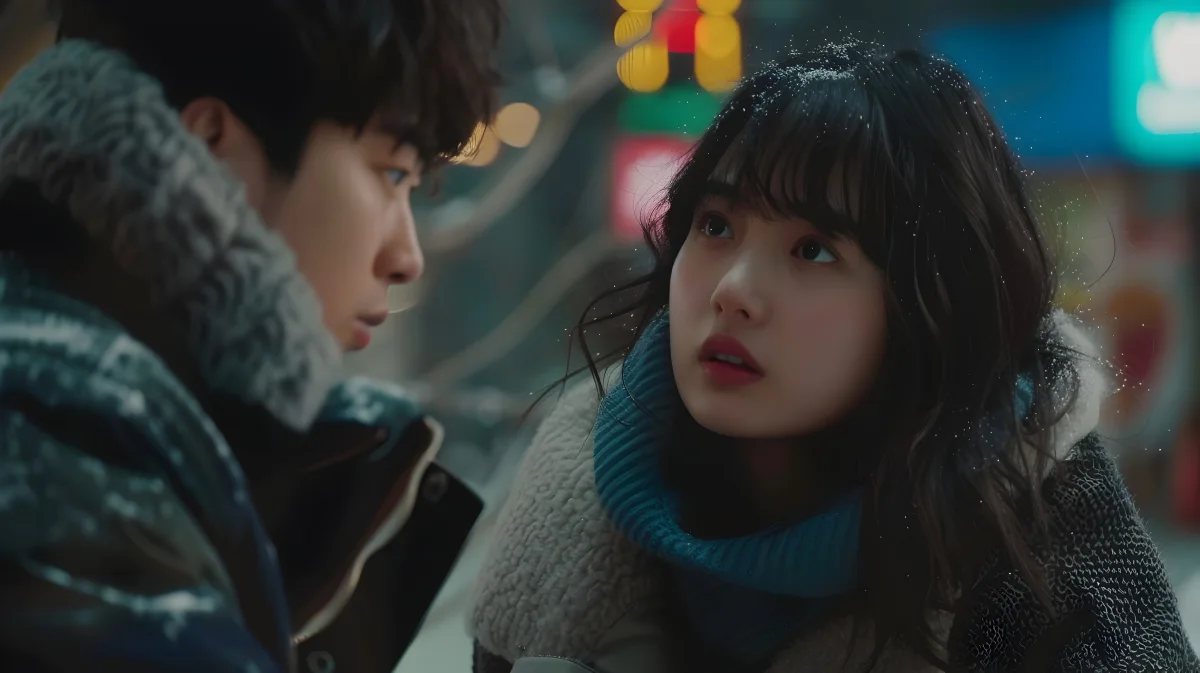
K-Drama Love Triangle Success reflects the popularity of Korean romantic series that combine emotional storytelling, compelling characters, unexpected relationship choices, and memorable production. Discover why love triangles attract international audiences, how fan communities shape their popularity, and what makes certain romantic K-dramas stand out.
K-Drama Love Triangle Success has become an interesting subject for viewers who enjoy Korean romantic television and the emotional conflicts that develop when multiple characters compete for someone's affection.
Some romantic K-dramas receive impressive audience ratings, with individual titles occasionally reaching scores near 9.4 on particular review platforms. However, scores vary by website, audience, and measurement method.
Understanding why these stories resonate involves looking beyond romantic competition to examine character development, cultural storytelling, emotional tension, and the global communities that support Korean entertainment.
The Enduring Appeal of K-Drama Love Triangle Success
Love triangles have appeared in romantic storytelling for generations, but Korean dramas often introduce distinctive pacing, emotional conflicts, and memorable supporting characters.
Rather than focusing exclusively on which character will become the final romantic partner, these narratives frequently explore friendship, sacrifice, personal growth, and difficult choices.
This combination helps explain why love triangle storylines continue to attract viewers who enjoy relationship-driven television.
Character Depth and Relatability

Strong romantic dramas give their characters motivations and personal experiences that extend beyond their relationships.
A protagonist might struggle with career uncertainty, family expectations, or questions about personal identity while navigating competing romantic feelings.
When characters have recognizable concerns and believable reactions, viewers may become more emotionally invested in the choices they make.
Why Emotional Conflict Matters
A love triangle creates tension because the characters often want outcomes that cannot all happen at the same time.
One person may represent familiarity and emotional security, while another introduces unexpected possibilities or challenges established expectations.
The resulting conflict becomes more engaging when the story allows each character's feelings and decisions to develop naturally.
The Importance of Personal Growth
Romantic decisions can become opportunities for characters to better understand their priorities and emotional needs.
Some stories show protagonists learning to communicate more honestly, establish boundaries, or recognize unhealthy patterns.
These developments can give a love triangle meaning beyond the final choice between romantic partners.
Storytelling Innovation in K-Drama Love Triangle Success
Although the basic structure of a love triangle is familiar, Korean drama writers can approach the concept in many different ways.
Storylines may use childhood friendships, workplace relationships, historical settings, supernatural circumstances, or unexpected reunions.
The effectiveness of these approaches depends on how well the romantic conflict supports the larger story rather than simply delaying its conclusion.
Beyond Traditional Tropes
Traditional love triangles often present a relatively predictable choice between a favored romantic lead and an alternative love interest.
Contemporary stories can complicate that structure by exploring personal independence, changing priorities, or relationships that do not fit familiar expectations.
These alternatives can create more satisfying narratives when the resolution follows naturally from each character's development.
Unexpected Romantic Outcomes
Not every compelling romantic story needs to end with the protagonist selecting one of two potential partners.
Sometimes a character's personal ambitions, friendships, or emotional well-being become more important than maintaining a romantic relationship.
Such endings may divide audiences, but they can also encourage discussion about what constitutes a meaningful conclusion.
Combining Romance With Other Genres
Korean dramas regularly explore romance within settings that include fantasy, historical fiction, comedy, mystery, and workplace drama.
A romantic rivalry can add emotional complexity to an otherwise action-oriented or suspenseful story.
Likewise, an unusual setting can introduce challenges that make familiar relationship conflicts feel different.
Building Suspense Across Episodes
Serial storytelling allows romantic tension to unfold gradually through conversations, misunderstandings, and important decisions.
Small developments can become meaningful when viewers understand the characters' histories and motivations.
However, excessive delays or repeated misunderstandings may weaken a story if they prevent relationships from developing convincingly.
Cultural Nuances and Global Appeal of K-Drama Love Triangle Success
Korean romantic dramas combine broadly recognizable emotional experiences with settings and social contexts specific to South Korea.
Family relationships, workplace hierarchies, friendships, and expectations surrounding dating can influence how characters approach romantic decisions.
These details provide context for international viewers while allowing each production to tell its own story without representing every aspect of Korean society.
How Korean Cultural Context Shapes Romance
Social relationships can influence the way characters communicate, express affection, and respond to conflicts.
Some dramas explore the tension between individual choices and expectations involving family, work, or social status.
These themes become more meaningful when the story treats characters as individuals rather than reducing them to cultural stereotypes.
Why International Audiences Connect With These Stories
Romantic uncertainty, friendship, jealousy, and personal growth are experiences that viewers from many different backgrounds can recognize.
Korean dramas often present these themes through a combination of emotional dialogue, memorable performances, and carefully structured episodes.
This blend can create familiarity while introducing audiences to different settings and storytelling traditions.
Impact of Digital Platforms and Social Media
Streaming services have made Korean dramas more accessible to international audiences through subtitles, dubbing, and broader distribution.
Viewers can discover series through recommendations, social media discussions, entertainment coverage, and online fan communities.
Short video clips and memorable scenes can attract additional attention, although online popularity does not necessarily correspond to official television ratings.
How Global Discussions Expand Audience Interest
Fans frequently exchange recommendations and compare their impressions of characters, relationships, and story endings.
These conversations can introduce older dramas to new audiences long after their original broadcast.
International discussion also demonstrates how different viewers may interpret the same romantic conflict in distinct ways.
The Psychological Depth Behind High-Rated Love Triangles
Romantic love triangles often center on competing emotions, uncertainty, and the consequences of personal decisions.
Their dramatic appeal comes partly from giving audiences enough information to understand several conflicting perspectives.
A well-developed storyline encourages viewers to consider the motivations behind a character's actions rather than focusing only on the romantic outcome.
Exploring Unrequited Love and Sacrifice
Unrequited love is a recurring theme in many Korean romantic dramas, especially when a supporting character develops feelings that are not returned.
The emotional impact depends on how the story explores disappointment, acceptance, and the character's ability to move forward.
When handled thoughtfully, these experiences can create compelling character arcs without portraying persistent romantic pursuit as an entitlement to affection.
The Second-Lead Syndrome Phenomenon
Fans sometimes use the expression second-lead syndrome when they become particularly attached to a romantic alternative who is not expected to be the protagonist's final partner.
This attachment may emerge because the supporting character demonstrates kindness, emotional maturity, loyalty, or an appealing connection with the protagonist.
However, audience preferences remain subjective, and the popularity of a second lead does not establish that one relationship is objectively better than another.
How Romantic Rivalries Encourage Discussion
Love triangles invite viewers to consider different kinds of compatibility, including shared values, communication, trust, and emotional support.
Two characters may offer different possibilities for the protagonist's future, creating opportunities for debate.
These discussions can continue throughout a series, particularly when the writing gives both romantic interests meaningful development.
Emotional Realism and Character Choices
Romantic conflicts feel more convincing when decisions have consequences and characters respond consistently with their established personalities.
Clear boundaries, honest communication, and believable reconciliation can make relationships more satisfying to watch.
Stories become less convincing when conflict depends entirely on repeated misunderstandings that could be resolved through a simple conversation.
Production Quality and Visual Storytelling
Production choices can strengthen romantic storytelling by shaping how viewers experience emotional moments.
Camera placement, lighting, costume design, editing, and music contribute to the atmosphere surrounding a relationship.
However, expensive production alone does not guarantee strong audience ratings or meaningful character development.
Cinematography and Aesthetic Appeal
Visual storytelling can communicate emotional distance, attraction, or uncertainty without requiring lengthy dialogue.
A carefully framed conversation may emphasize hesitation, while changes in lighting or location can support a shift in the story's mood.
These choices work best when they reinforce the characters' experiences rather than distracting from the narrative.
The Importance of Original Soundtracks
Music can help establish the emotional tone of important scenes, including moments of realization, separation, or reconciliation.
Some Korean drama soundtracks become closely associated with particular relationships because they appear during memorable story developments.
Effective music selection supports the atmosphere without replacing the need for convincing performances and dialogue.
Costumes and Character Identity
Clothing choices may provide subtle information about a character's personality, occupation, or changing circumstances.
Wardrobe changes can also reflect developments in confidence, professional status, or personal relationships.
Although these details may attract fashion interest, their narrative value depends on how consistently they support the characters.
Location and Atmosphere
Urban neighborhoods, cafés, workplaces, and natural landscapes can contribute to the distinct atmosphere of a romantic drama.
Recurring locations may become emotionally important as characters experience different stages of their relationships.
These visual elements can help viewers remember a series long after its main storyline has concluded.
The Role of Fan Engagement and Community
Online fan communities play an important role in how viewers discover, discuss, and revisit Korean dramas.
Conversations about romantic pairings can generate enthusiasm, particularly when a series presents multiple well-developed love interests.
However, fan activity should be distinguished from verified audience measurements, which depend on the rating platform and its methodology.
Interactive Fandom and Global Reach
Fans often share theories, character analyses, favorite scenes, and reactions to newly released episodes.
These discussions can bring together people who might otherwise watch the same drama without interacting.
Subtitles and international distribution help support these communities by allowing viewers in different regions to follow similar stories.
Why Romantic Pairings Become Popular Online
Viewers may identify strongly with a particular relationship because of shared experiences or personal expectations about romance.
Memorable dialogue, emotional scenes, and strong performances can increase attachment to a fictional couple.
As a result, disagreements about romantic outcomes can become an important part of the surrounding fan conversation.
Fan Recommendations and Drama Discovery
Personal recommendations remain a useful way for audiences to explore romantic K-dramas beyond the most widely advertised releases.
Fans may suggest series based on storytelling style, emotional intensity, character development, or the type of romantic resolution.
These recommendations are subjective, making it helpful to compare several opinions before deciding what to watch.
Understanding Audience Ratings
A score such as 9.4 can attract attention, but it should always be associated with the platform that assigned the rating.
Different services use different scoring methods, participant populations, and eligibility requirements for reviews.
Consequently, a 9.4 user rating, an audience score, and a television viewership percentage are not interchangeable measurements.
What Makes a Successful K-Drama Love Triangle?
K-Drama Love Triangle Success depends on more than the existence of two competing romantic interests.
Characters need understandable motivations, conflicts must develop logically, and romantic choices should influence the larger narrative.
Several storytelling elements can help viewers remain invested without relying on excessive twists or unrealistic misunderstandings.
Clear Character Motivations
Each romantic interest should have personal goals and reasons for becoming involved in the relationship.
When characters exist only to create jealousy, their actions may feel artificial or repetitive.
Providing meaningful motivations allows the audience to understand their decisions even when those choices cause disappointment.
Balanced Romantic Development
A compelling triangle often gives viewers enough context to understand why different relationships might appeal to the protagonist.
Time spent building shared experiences can make romantic decisions feel more consequential.
However, equal screen time is not necessary if the story clearly establishes the emotional importance of each connection.
Meaningful Conflict Resolution
A satisfying conclusion should address the central emotional questions introduced throughout the story.
Characters may need to acknowledge mistakes, accept rejection, or reconsider what they expect from a relationship.
The resolution does not need to satisfy every viewer, but it should feel consistent with the character development that preceded it.
Strong Supporting Relationships
Friendships, family connections, and professional relationships can make a romance-centered drama feel more complete.
These interactions provide opportunities to show different aspects of the central characters beyond their romantic interests.
They can also give emotional context to decisions that might otherwise seem driven only by attraction or jealousy.
Anticipating Future Trends in K-Drama Love Triangle Success
Romantic storytelling continues to evolve as writers experiment with character perspectives, relationships, and different genres.
Love triangles remain a familiar narrative device, but their future popularity will depend on execution rather than the trope alone.
Developments in streaming distribution and global audience expectations may influence how these stories are presented in upcoming productions.
Emerging Storytelling Approaches
Future productions may continue exploring romantic conflicts within fantasy, workplace, historical, and mystery settings.
Writers can also focus on protagonists whose goals extend beyond romantic relationships, introducing new sources of emotional tension.
These approaches offer opportunities for variety without requiring every drama to abandon established romantic conventions.
More Complex Relationship Dynamics
Romantic narratives can become more nuanced when they examine communication, personal responsibility, and changing emotional needs.
Characters may face difficult choices involving friendship, professional ambitions, or incompatible life plans.
Such conflicts can create compelling stories even without relying on dramatic betrayals or exaggerated misunderstandings.
The Influence of Global Streaming Audiences
International distribution gives Korean dramas access to viewers with different cultural backgrounds and storytelling preferences.
Streaming services may use audience engagement and other information to evaluate programming decisions, although their internal methods are not always public.
Creators must balance broad accessibility with distinctive storytelling rather than assuming that international popularity follows a single formula.
Why Familiar Romance Themes May Remain Relevant
Love triangles explore uncertainty, attraction, loyalty, and personal choice, themes that remain recognizable across different periods and settings.
New productions can revisit these conflicts while changing character motivations, narrative structure, or emotional outcomes.
This flexibility helps explain why the device continues appearing in romantic storytelling without requiring every version to follow an identical pattern.
How to Choose a K-Drama With a Compelling Love Triangle
Finding an enjoyable romantic K-drama involves more than searching for the highest audience rating.
Viewers should consider the type of story they prefer, including whether they enjoy comedy, emotional drama, slow-burn romance, or unexpected endings.
A little research into the genre and general premise can help identify interesting series without revealing major plot developments.
Look Beyond the Overall Rating
Ratings can provide a useful reference, but they do not indicate whether a drama matches your individual preferences.
Read descriptions that discuss pacing, character development, and emotional tone rather than focusing exclusively on a numerical score.
When comparing ratings, check the platform, publication date, and number of reviews to better understand what the figures represent.
Consider the Emotional Tone
Some love triangles are presented through lighthearted comedy, while others focus on painful decisions and complicated relationships.
Understanding the general tone helps viewers select stories that match their expectations.
A series with an intense emotional storyline may not appeal to someone looking for a relaxing romantic comedy, regardless of its popularity.
Pay Attention to Character Development

Stories with convincing character growth often provide more satisfying emotional journeys than those built entirely around unexpected plot twists.
Look for reviews that discuss how characters change and whether their relationships develop consistently.
These observations can offer useful guidance without necessarily revealing the final romantic outcome.
Key Factors Behind K-Drama Love Triangle Success
K-Drama Love Triangle Success reflects the combined influence of storytelling, character development, production choices, and audience engagement.
High ratings may accompany successful productions, but a specific score does not establish a universal formula for romantic storytelling.
The following table summarizes four elements that can contribute to memorable Korean romantic dramas.
Key Factor | Description |
|---|---|
Character Depth | Believable motivations and personal growth help viewers connect with romantic conflicts. |
Innovative Storytelling | Thoughtful variations on familiar romantic situations can create meaningful suspense and emotional development. |
Cultural Nuances | Korean settings and social relationships provide context for romantic stories with internationally recognizable themes. |
Production Quality | Cinematography, performances, music, and visual design can strengthen the storytelling experience. |
Frequently Asked Questions About K-Drama Love Triangle Success
What makes K-drama love triangles so popular?
K-drama love triangles often combine emotional uncertainty, compelling character development, and relationships that encourage viewers to consider different romantic outcomes. Strong performances, recognizable personal conflicts, and engaging storytelling can make these narratives memorable, although individual preferences vary.
How do K-dramas maintain high ratings like 9.4?
A rating near 9.4 may reflect strong approval from users on a particular platform, but it should not be treated as a universal measure of success. Ratings vary by website, audience size, and scoring method. Well-developed characters, satisfying storytelling, and effective production may contribute to positive reviews, but no formula guarantees a particular score.
Are love triangles evolving in K-dramas?
Yes. Writers continue adapting traditional romantic conflicts by introducing different character motivations, unexpected relationship outcomes, and combinations with other genres. Some stories also place greater emphasis on independence, communication, and personal growth rather than making romantic competition the only central concern.
What role does culture play in their global appeal?
Korean cultural settings provide distinctive context for stories involving universal emotions such as attraction, jealousy, loyalty, and uncertainty. Family relationships, workplace experiences, social expectations, and everyday locations can influence how characters interact. International audiences may appreciate this combination of familiar themes and different cultural perspectives.
How do digital platforms contribute to their success?
Streaming platforms can make Korean dramas accessible to international audiences through subtitles, dubbing, and broader distribution. Social media communities also encourage recommendations, discussions, and sharing of memorable scenes. These activities may increase visibility, but online engagement should not be confused with verified television ratings or official audience measurements.
Looking Ahead: Why Romantic K-Dramas Continue to Connect
The continuing interest in K-Drama Love Triangle Success reflects the appeal of relationship-centered stories that combine recognizable emotional experiences with distinctive characters and settings.
Love triangles can remain engaging when writers give characters believable motivations, allow relationships to develop naturally, and create outcomes consistent with the larger narrative.
As Korean dramas reach audiences around the world, thoughtful storytelling, meaningful character development, and creative production will continue to shape how viewers discover and appreciate romantic series.