
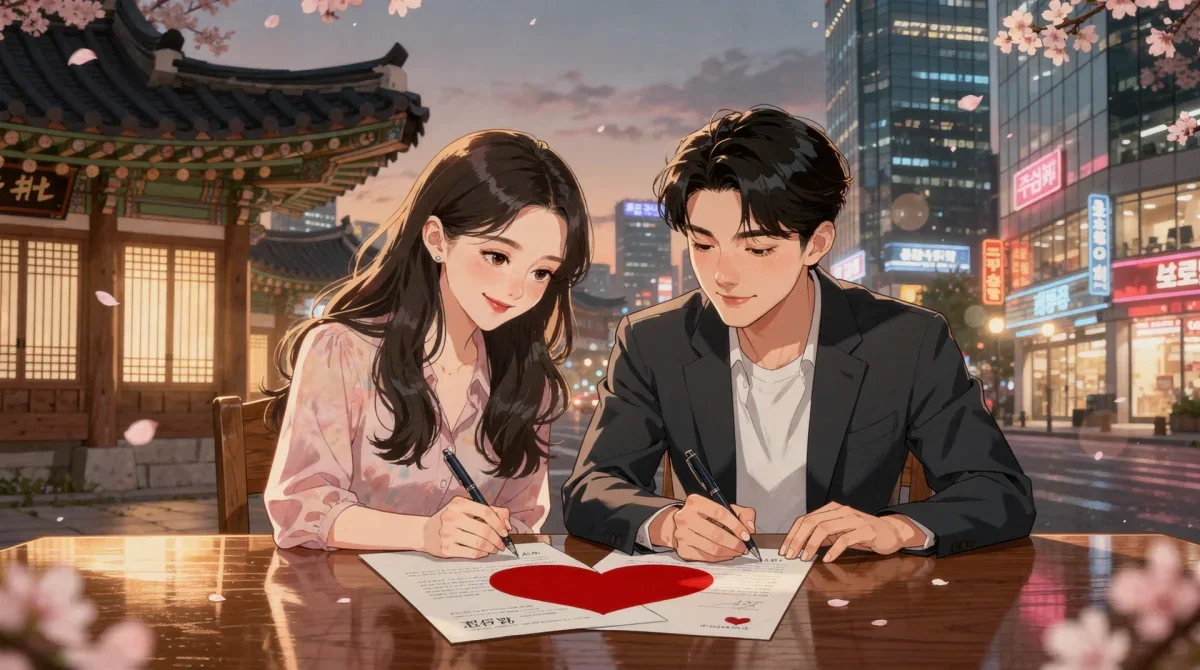
Contract Romance Marathon: 4 Binge-Worthy Korean Dramas With Lasting Romantic Tension explores four memorable series that use emotional obstacles, complicated relationships, family expectations, and unconventional arrangements to keep audiences invested. From the 52-episode family drama My Golden Life to the 16-episode Marriage Contract, these recommendations demonstrate different approaches to slow-burning romance.
Long-form contract romance dramas offer an appealing combination of emotional tension, complicated relationships, and gradual character development that can keep viewers engaged across extended viewing sessions.
Some Korean dramas explore formal marriage agreements, while others build romantic suspense through workplace relationships, family obligations, separation, and second chances. These different approaches create compelling stories for romance enthusiasts.
This guide examines four memorable series, explains their actual episode counts, and explores the storytelling techniques that make them worthwhile additions to a romantic drama marathon.
Understanding the Enduring Appeal of Long-Form Contract Romance
The appeal of long-form contract romance dramas often comes from watching two characters develop genuine affection after beginning their relationship under unusual or emotionally complicated circumstances.
In traditional contract romances, an arrangement initially established for practical reasons gradually becomes more meaningful. Family expectations, financial difficulties, and personal responsibilities can all influence how the relationship develops.
However, not every extended romantic drama uses a literal contract. Family sagas and workplace romances can deliver similar emotional experiences through slow character development and relationships shaped by external pressures.
The Blueprint for Sustained Romantic Tension in Extended Dramas

Maintaining romantic tension across an extended television series requires more than separating the main characters or repeatedly introducing misunderstandings. The relationship must continue evolving throughout the story.
Successful long-form contract romance dramas often combine personal conflicts with family expectations, professional obligations, and changing emotional priorities, allowing relationships to develop at a believable pace.
When characters face meaningful decisions rather than repetitive obstacles, viewers have more reasons to remain invested in their relationships and anticipate how the central conflicts will eventually resolve.
Character Arcs and Emotional Depth
Character development plays a central role in romantic storytelling because emotional transformation allows audiences to understand why two people gradually become important to each other.
Protagonists may begin with conflicting personalities, different financial circumstances, or responsibilities that prevent them from pursuing a relationship openly. Their interactions reveal vulnerabilities and motivations over time.
For viewers interested in long-form contract romance dramas, these emotional changes often provide greater satisfaction than immediate romantic declarations because the relationship feels connected to personal growth.
Navigating External Conflicts and Societal Pressures
External obstacles can strengthen romantic storytelling when they challenge the protagonists' values, priorities, or willingness to make difficult decisions about their relationships.
Family expectations, differences in social status, professional responsibilities, and financial circumstances frequently influence relationships in Korean television dramas, creating challenges that extend beyond romantic attraction.
In long-form contract romance dramas, such pressures can transform a seemingly practical arrangement into an emotional conflict as characters begin questioning the responsibilities and expectations that originally brought them together.
The Role of Secondary Characters and Subplots
Supporting characters help expand the emotional world of a drama by introducing relationships, conflicts, and perspectives that complement the central romantic storyline.
Family members, friends, colleagues, and former partners may influence important decisions while contributing humor, tension, or contrasting examples of love and commitment.
These secondary narratives are especially useful in long-form contract romance dramas because they provide additional emotional developments without forcing the main couple to repeat the same disagreements.
Case Study 1: "My Golden Life" - A Masterclass in Prolonged Affection
My Golden Life is a South Korean family drama released in 2017, featuring 52 episodes that explore identity, social class, family expectations, and the search for personal happiness.
The story follows Seo Ji-an, whose complicated family circumstances and unexpected connection to a wealthy household transform her life. Her relationship with Choi Do-kyung develops amid revelations and conflicts involving family identity and social expectations.
Although it is not a conventional contract-marriage drama, the series appeals to fans of long-form contract romance dramas because of its extended emotional development and the pressure that family obligations place on personal relationships.
Case Study 2: "What's Wrong With Secretary Kim?" - Maintaining Spark Through Professionalism
What's Wrong With Secretary Kim? is a 2018 romantic comedy starring Park Seo-joon and Park Min-young, with 16 episodes rather than the approximately 50 episodes suggested by the original marathon theme.
The story follows executive Lee Young-joon and his highly capable secretary Kim Mi-so, whose decision to resign disrupts their established working relationship and forces Young-joon to reconsider his feelings.
While the characters do not enter a traditional romantic contract, their professional arrangement creates emotional tension and workplace complications that can appeal to viewers who enjoy long-form contract romance dramas.
Case Study 3: "Marriage Contract" - Love Forged in Adversity
Marriage Contract is a 2016 South Korean melodrama starring Uee and Lee Seo-jin, featuring 16 episodes built around a temporary marriage agreement.
The story centers on Kang Hye-soo, a widowed mother facing serious financial and medical difficulties, and Han Ji-hoon, whose family circumstances lead him to propose an arrangement that initially serves practical purposes.
Unlike the other examples, this drama directly features the central premise associated with long-form contract romance dramas: a relationship established through an agreement that gradually develops into a deeper emotional connection.
Case Study 4: "Once Again" - A Family Saga with a Contractual Heart

Once Again is a 2020 South Korean family drama presented in 100 approximately 35-minute episodes, corresponding to roughly 50 longer broadcast installments.
The series follows the Song family as its members navigate marriage, divorce, reconciliation, and changing relationships. One important storyline involves Song Na-hee and Yoon Gyu-jin, whose troubled marriage reflects the emotional complexity of second chances.
Although the drama is not built around a formal romantic contract, its extended family narrative offers the gradual relationship development associated with long-form contract romance dramas. Viewers can explore the official KBS World programme information for Once Again for additional details about the storyline and characters.
Future Trends in Long-Form Contract Romance Dramas
The popularity of romantic television storytelling reflects the flexibility of narratives built around unusual relationships, changing commitments, and emotional development over multiple episodes.
Future long-form contract romance dramas may continue exploring contemporary subjects such as professional independence, financial insecurity, family expectations, and relationships influenced by changing social conventions.
Whether a series contains sixteen episodes or an extended family-drama format, its lasting appeal depends on convincing character development, meaningful conflicts, and romantic relationships that evolve rather than remain unchanged.
Key Aspect | Description |
|---|---|
Sustained Tension | Romantic chemistry develops through meaningful emotional obstacles and changing relationships. |
Character Evolution | Personal growth gives romantic decisions greater emotional significance. |
Plot Complexity | Family obligations, workplace relationships, and secondary storylines create additional layers of conflict. |
Binge-Worthiness | Strong emotional progression encourages viewers to continue following the characters across multiple episodes. |
Frequently Asked Questions About Contract Romance Dramas
What defines a contract romance drama?▼
A contract romance drama typically features characters who enter a practical relationship arrangement, often involving marriage or pretending to be romantically involved. Genuine emotions may emerge as the characters spend time together and confront challenges that complicate their original agreement.
How do 50-episode dramas maintain romantic tension?▼
Extended dramas can sustain romantic tension through evolving character relationships, meaningful family conflicts, and secondary storylines. Not every long series uses a romantic contract, but gradual emotional development can keep audiences engaged across dozens of episodes.
Are contract romance dramas realistic?▼
The contractual premise is often fictional or exaggerated for entertainment, but the resulting emotional conflicts can explore recognizable concerns involving trust, financial responsibilities, family expectations, and commitment. These relatable experiences help audiences connect with the characters.
Why are these dramas considered binge-worthy?▼
Romantic dramas can be engaging because they combine emotional uncertainty with developing relationships and unexpected personal decisions. Extended series allow deeper exploration, while shorter productions may deliver more concentrated storytelling and faster romantic progression.
What are common themes in these long dramas?▼
Common themes include family responsibilities, social expectations, financial difficulties, identity, emotional healing, and personal transformation. These subjects frequently influence the characters' romantic decisions and create obstacles that make their relationships more compelling.
Looking Ahead
The lasting appeal of long-form contract romance dramas comes from the way their stories combine emotional tension with character development, complicated circumstances, and evolving relationships.
Although the four featured productions differ in length and narrative structure, they demonstrate how romantic storytelling can remain engaging through family conflicts, professional arrangements, genuine contractual relationships, and second chances.
For audiences interested in exploring more romance stories, these dramas offer a variety of viewing experiences, from compact sixteen-episode romances to extended family sagas built around emotional growth and enduring affection.